Top 100 Most Influential People in Cryptocurrency

The 100 Most Influential People In Crypto

– 2025 Edition –

Thank you to our sponsor
We want to give a special thanks to our sponsor, Crypto.com, who are doing amazing work with mass crypto adoption via their easy-to-use mobile app, Visa cards (with amazing rewards) and their crypto exchange for more advanced traders.
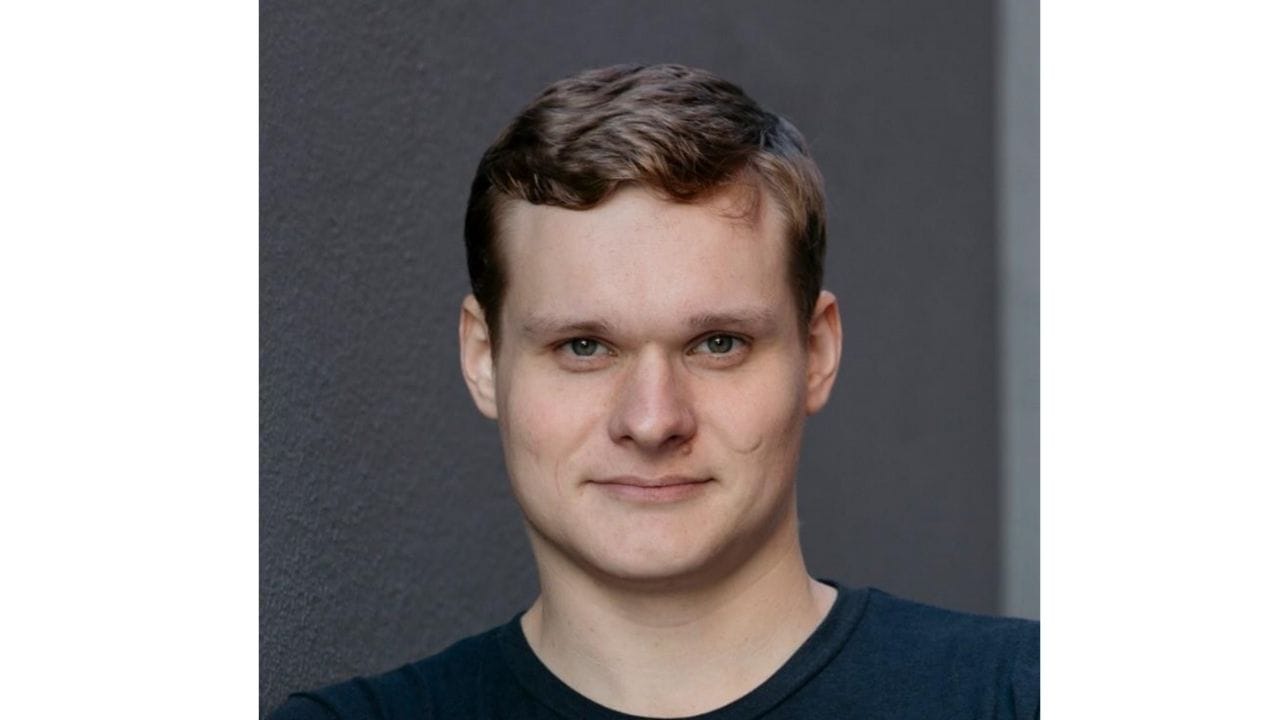
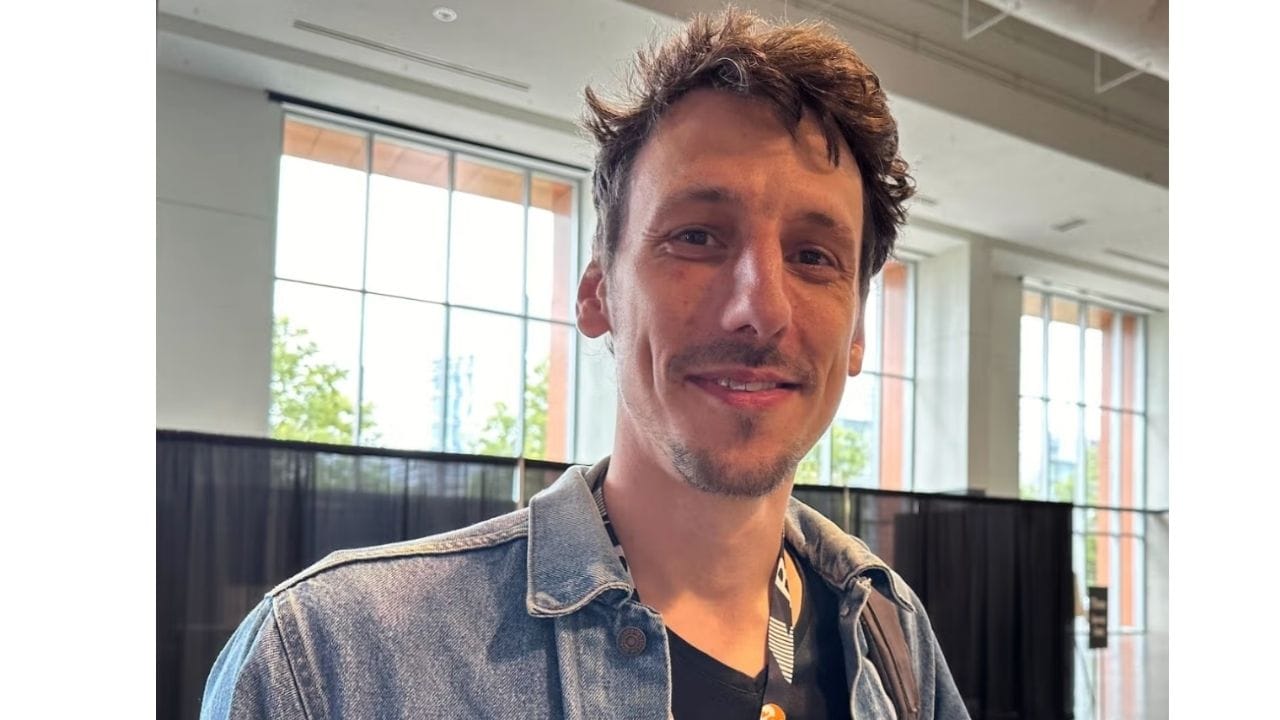
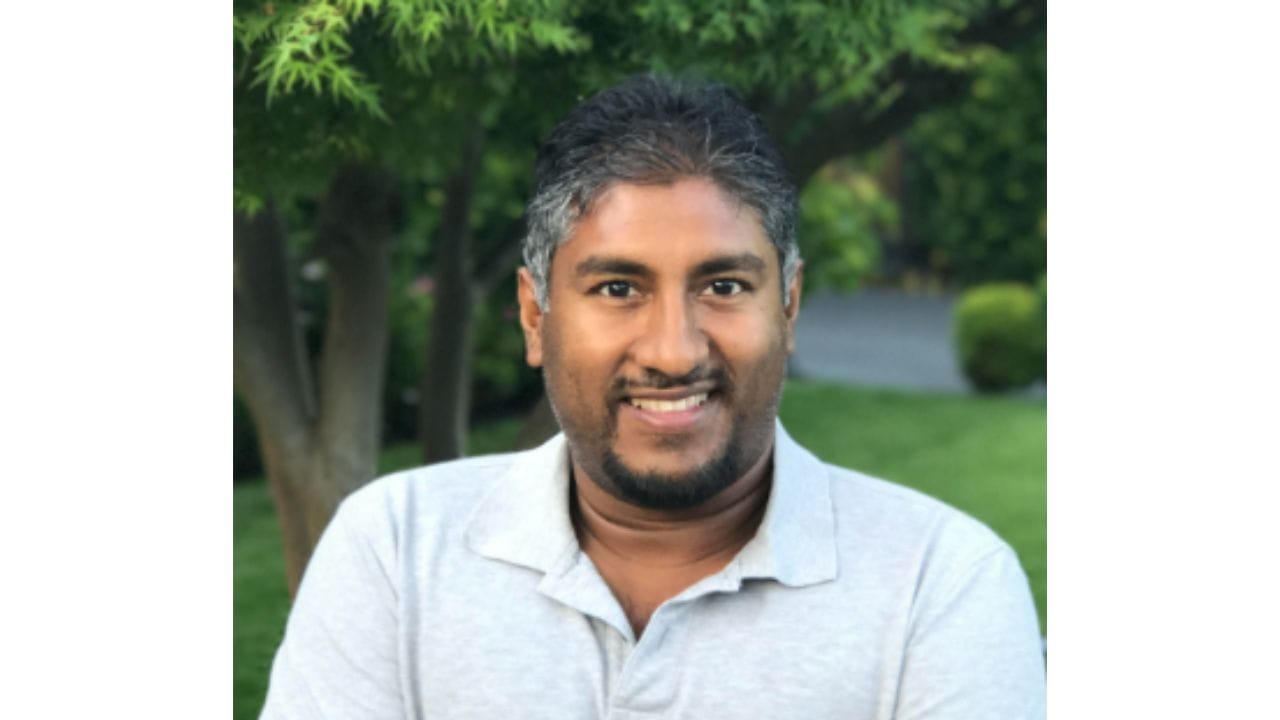
Sergey Nazarov

@SergeyNazarov

1

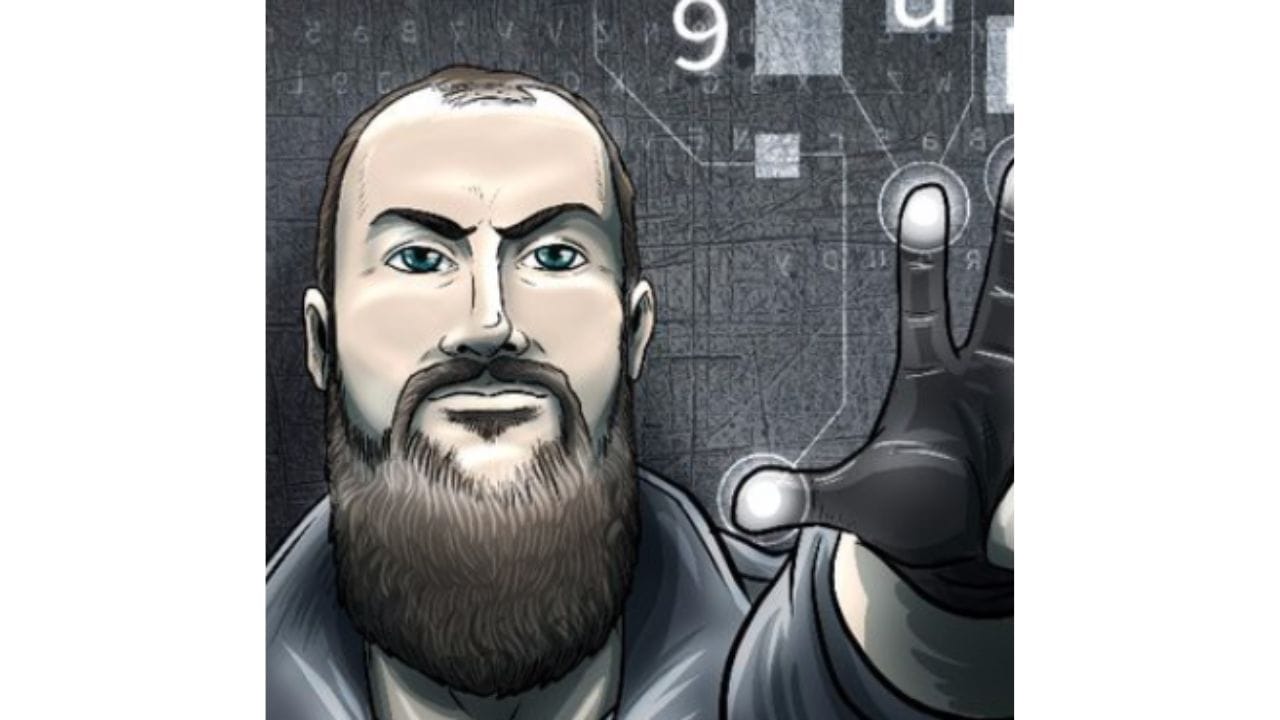
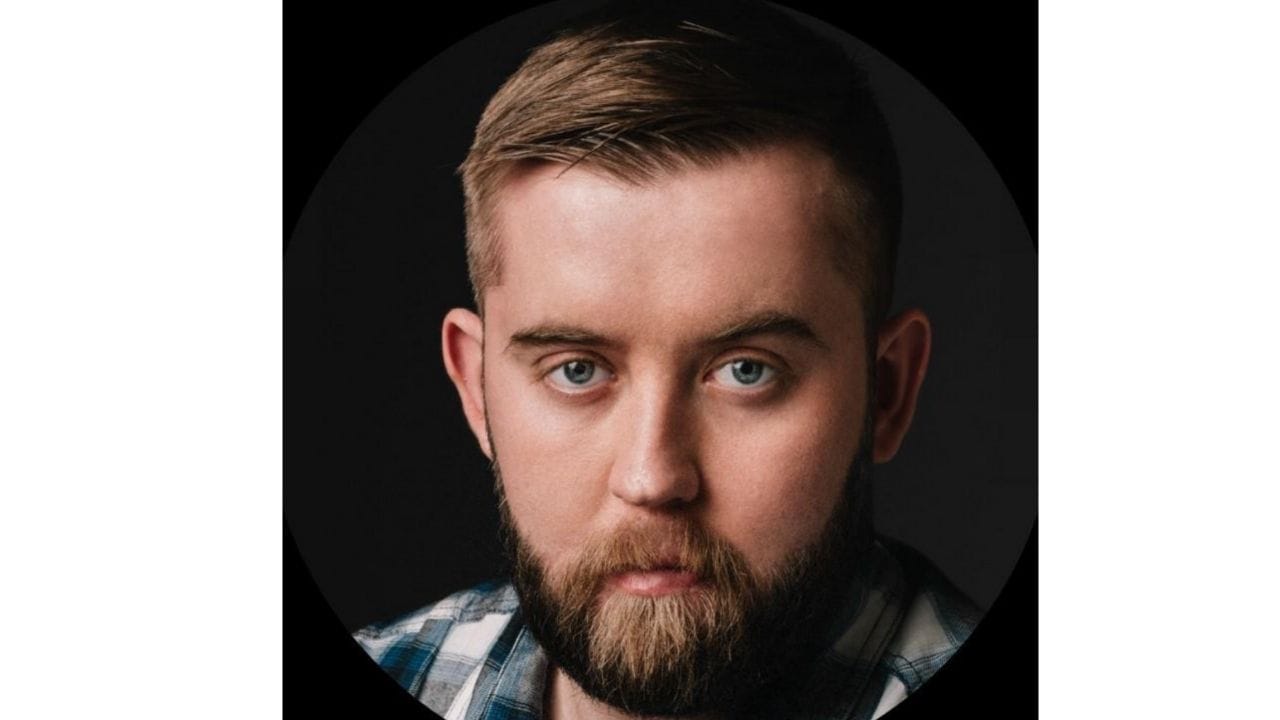
Chainlink co-founder Sergey Nazarov began his career building Secure Asset Exchange, but rose to prominence by solving the “oracle problem.” Chainlink’s decentralized data feeds secure over $25 billion in DeFi TVL, and its 2025 Cross-Chain Interoperability Protocol (CCIP) underpins tokenized-bond settlement across 15 layer-1s. Behind the trademark beard and plaid shirt, Nazarov leads the Smart Contract Research Forum, funding university grants on verifiable randomness. His keynote at ETHPrague 2025 outlined a “hyperculture” where autonomous corporations settle obligations through oracle-triggered legal contracts.

Vitalik Buterin

@VitalikButerin

2

Vitalik Buterin is the Russian-Canadian programmer who co-founded Ethereum in 2014 after first writing for Bitcoin Magazine. Since deploying the network in 2015, he has championed a vision of permissionless “world-computer” finance and, more recently, of modular, privacy-preserving social networks. Buterin helped steer Ethereum through the 2022 Merge, then focused on scaling: danksharding research, roll-ups, and the 2025 EIP-7702 account-abstraction standard. His essays—spanning cryptography, governance, longevity science, and effective altruism—shape industry roadmaps and academic agendas alike. In 2024 he joined the Helios research collective, funding zero-knowledge proofs for public-goods auditing. The Council on Foreign Relations invited him in 2025 to brief lawmakers on tokenized debt markets, reflecting his growing policy influence.

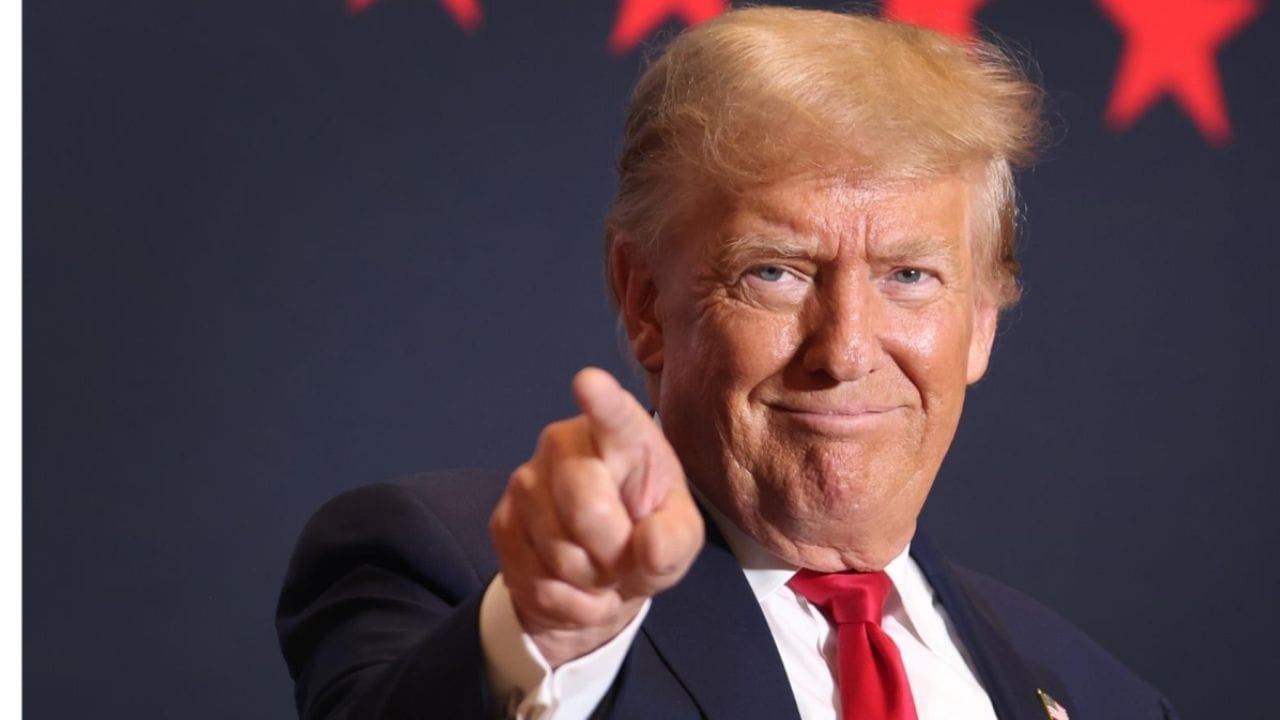
Donald J. Trump

@realDonaldTrump

3

Elected the 47th President of the United States in November 2024, Donald Trump vaulted to crypto prominence after directing the Treasury to acquire a “strategic Bitcoin reserve” and promising a regulatory moratorium on non-custodial wallets. His campaign accepted over $50 million in BTC and USDC, making it the largest on-chain fund-raising drive in U.S. political history. Previously, Trump first touched crypto via NFT licensing—his “Trump Digital Trading Cards” sold out three drops between 2022-23. Although critics question motive, markets respond: each policy tweet has sparked double-digit intraday moves in Bitcoin futures, and his planned “American Energy-Backed Stablecoin” is now in bipartisan committee review.

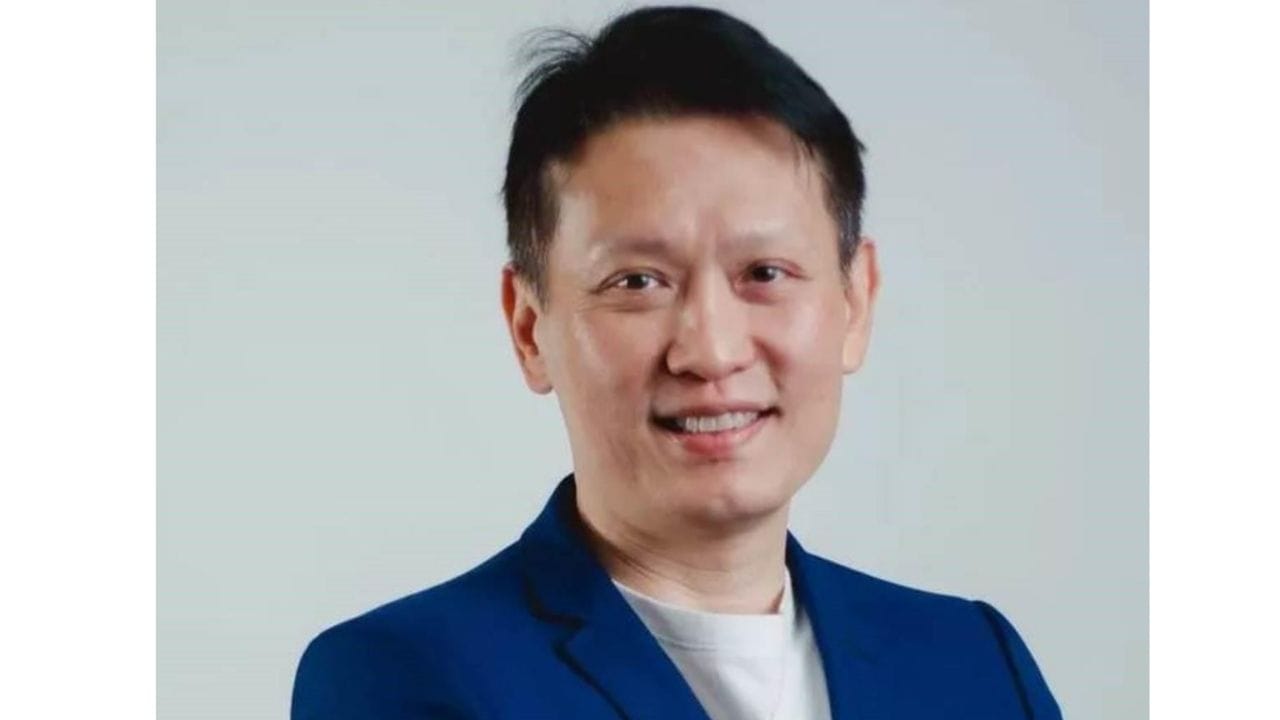
Richard Teng

@_RichardTeng

4

Richard Teng, a Singaporean regulator-turned-executive, became CEO of Binance in late 2023, inheriting the world’s largest exchange after founder Changpeng Zhao stepped down amid U.S. legal settlements. Educated at the University of Adelaide, Teng spent a decade at the Monetary Authority of Singapore, then led Abu Dhabi’s Financial Services Regulatory Authority. Under his quietly technocratic stewardship Binance has tripled licensed entities, opened a regulated U.K. derivatives venue, and partnered with SWIFT’s ISO 20022 sandbox. Fortune’s 2025 “Global 50” cited his risk-audit overhaul and successful reconciliation program restoring correspondent banking rails previously frozen. He now lobbies G20 regulators for a standardized proof-of-reserves framework.

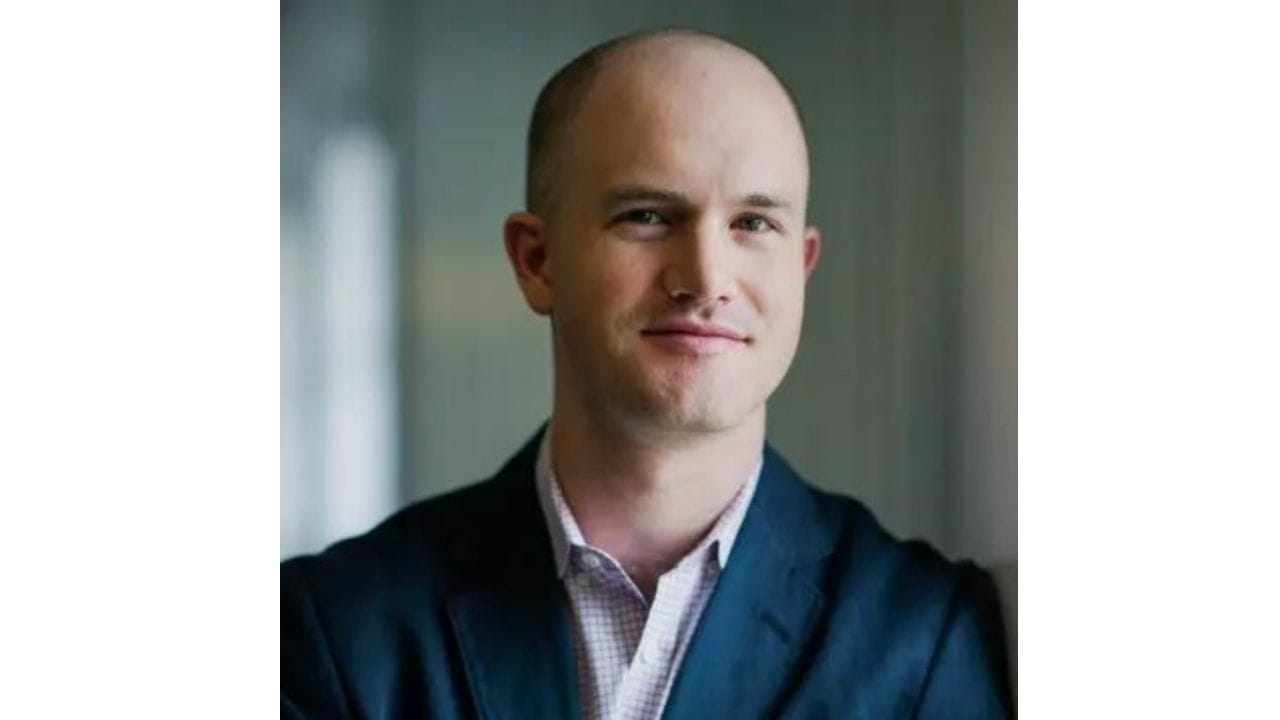
Brian Armstrong

@brian_armstrong

5

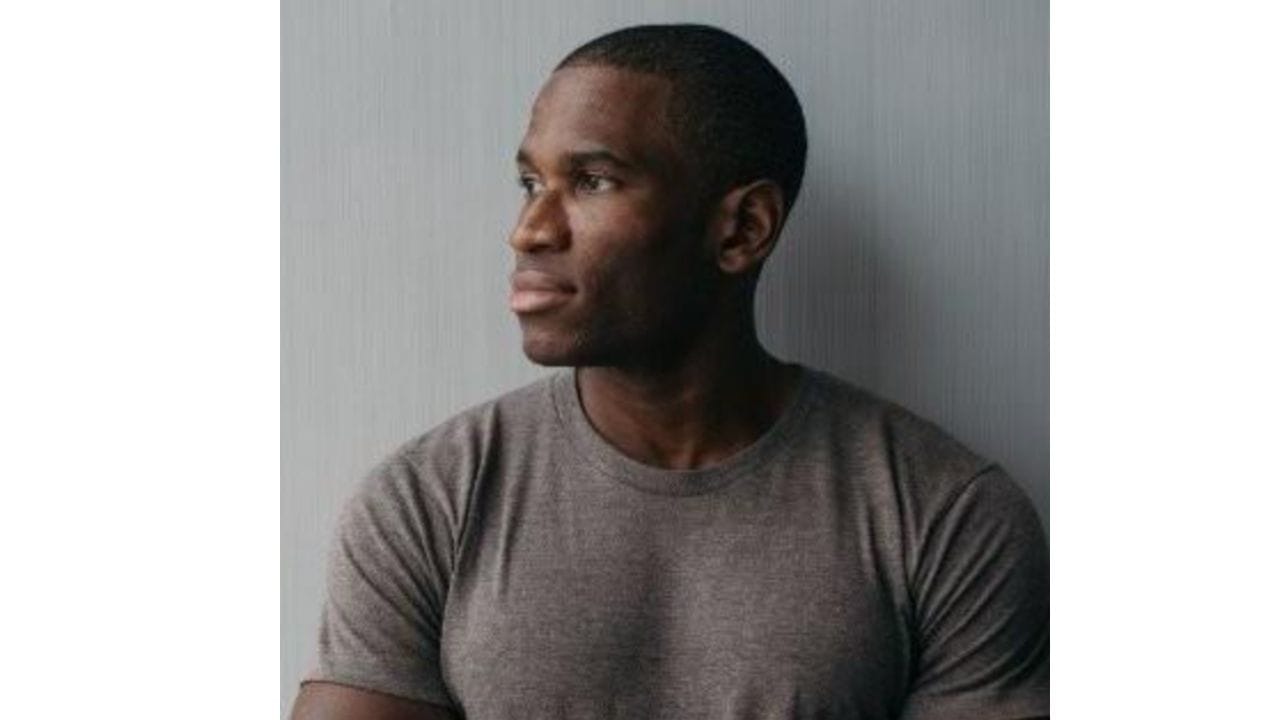
Brian Armstrong is the bald-headed engineer who co-founded Coinbase in a San Francisco apartment in 2012 and, as CEO, shepherded it onto the NASDAQ in 2021. A former Airbnb software engineer, Armstrong long pushed “trust through compliance,” culminating in Coinbase Custody winning mandates for multiple 2024-25 spot-Bitcoin and Ether ETFs. By mid-2025 his firm safeguarded more than $200 billion in client assets and operated nodes on eight layer-2 networks. Armstrong’s philanthropic arm, GiveCrypto, has distributed $45 million in stablecoins across conflict zones, and his “Stand With Crypto” super-PAC helped elect a record 28 pro-crypto House members in 2024.

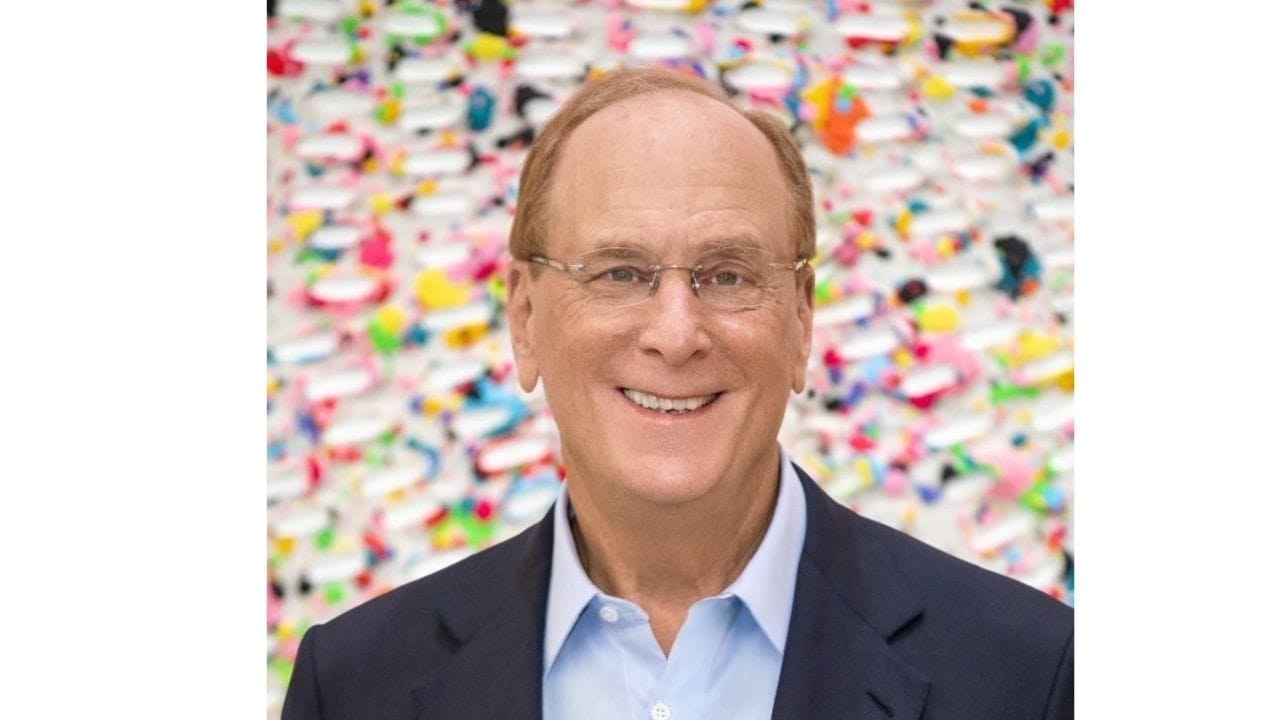
Larry Fink

Larry Fink | LinkedIn

6

Laurence D. Fink, co-founder and CEO of BlackRock, pivoted Wall Street’s largest asset manager into digital assets after once calling Bitcoin “an index of money laundering.” His reversal began with the July 2023 iShares Bitcoin Trust filing and culminated in the fund reaching $95 billion AUM by mid-2025, making it the ninth-largest ETF in the United States. Fink advocates “tokenization of everything,” piloting Treasury, mortgage, and carbon-credit tokens on Ethereum and public-permissioned subnets. Under his leadership BlackRock joined the Global Blockchain Business Council and seeded a $1 billion climate-tech tokenization fund in 2025.

Paolo Ardoino

@paoloardoino

7

Italian developer Paolo Ardoino became Tether’s CEO in 2023 after serving as CTO since 2017. He oversees USDT, the stablecoin whose market cap topped $110 billion in 2025, commanding more than 60% of stable-value settlements worldwide. Ardoino diversified Tether’s reserves into Bitcoin mining, green-energy projects in Uruguay, and AI compute clusters for LLM inference. Critics highlight opacity, but an April 2025 Moore Cayman attestation again found reserves in excess. A polyglot coder, Ardoino also co-architected the Holepunch P2P platform and is now prototyping a censorship-resistant messaging layer that rides on Lightning micropayments.

Anatoly Yakovenko

@anatolyakovenko

8

Ex-Qualcomm engineer Anatoly Yakovenko co-founded Solana after publishing his Proof-of-History white paper in 2018. Solana’s single-shard architecture processed a peak 2,000 transactions-per-second during the 2024 Saga-mobile airdrop frenzy and onboarded Telegram’s 500 million casual-gaming users via the mini-app store in 2025. Yakovenko heads the Solana Foundation’s validator-client diversity push, funding the Firedancer C++ client that slashed consensus latency 90%. A fixture at hacker houses, he evangelizes audit-friendly Rust coding and has donated royalties from his forthcoming “Systems Programming for Crypto” textbook to Latin-American developer scholarships.
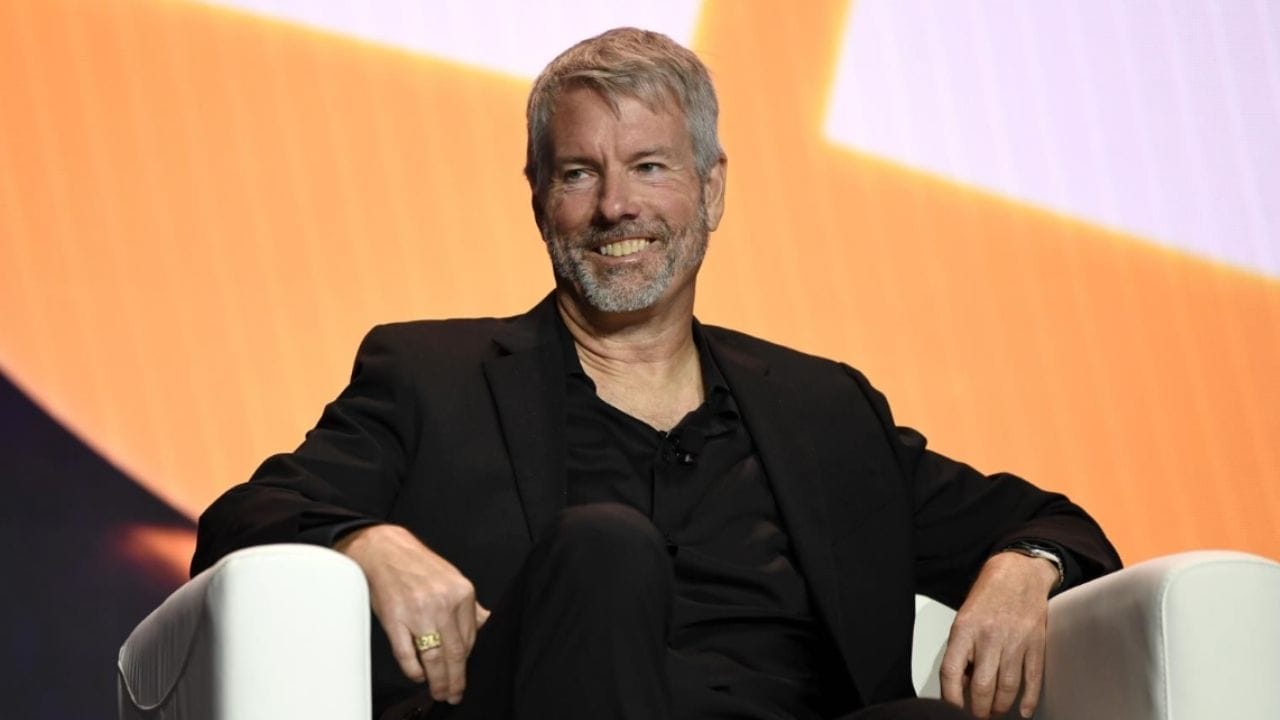
Michael J. Saylor, MIT-trained engineer and MicroStrategy co-founder, pivoted the sleepy enterprise-software firm into a Bitcoin treasury vehicle in 2020. By March 2025 the company held 301,000 BTC—over 1.4% of total supply—funded via convertible notes and at-the-market equity raises. Saylor’s kinetic, near-mystical Bitcoin evangelism—“encrypted energy”—fills arenas; his corporate-treasury playbook workshops have been attended by 600 CFOs. He sits on the Bitcoin Mining Council, lobbying for accurate ESG reporting and nuclear-powered hash-rate expansion.

Jenny Johnson

Jenny Johnson - LinkedIn

10

Jennifer M. Johnson is president and CEO of Franklin Templeton, the $1.6 trillion asset giant her grandfather founded. Johnson green-lit the industry’s first U.S. registered mutual fund to record shares on a public blockchain (Stellar) in 2021, then launched spot-Bitcoin and Ether ETFs in 2025. She chairs the Blockchain Association’s TradFi working group, urging tokenized money-market funds to settle T-plus-zero. Outside finance, Johnson mentors female engineers through Girls Who Code and has funded University of California research into quantum-secure custody.

Arthur Hayes

Arthur Hayes | LinkedIn

11

Arthur Hayes, former Deutsche Bank trader and Wharton grad, co-founded the crypto-perpetuals exchange BitMEX in 2014 and popularized the XBTUSD contract that underpins modern crypto derivatives. After settling U.S. AML charges in 2022, Hayes reinvented himself as a macro essayist and CIO of venture fund Maelstrom, seeding EigenLayer, Babylon, and privacy L2 Fhenix. His 2025 thesis—“Dollar Endgame, Bitcoin Birthright”—predicted the Fed’s CBDC pivot and drove markets toward re-staking primitives. Hayes remains a sharp critic of traditional banking, championing Caribbean free-port experiments for crypto clearing.

Jeremy Allaire

@jerallaire

12

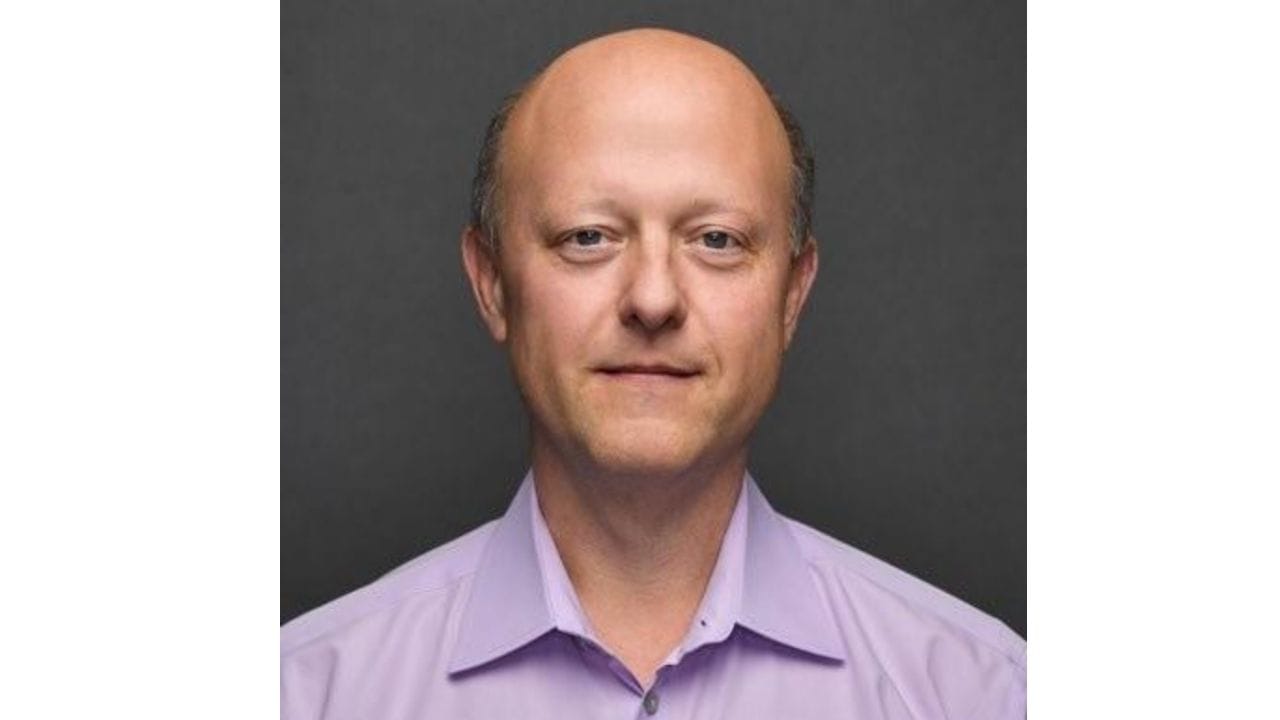
Boston entrepreneur Jeremy Allaire co-founded video-streaming pioneer Brightcove before turning to crypto with Circle in 2013. Circle’s USDC stablecoin, launched with Coinbase in 2018, briefly lost peg during the 2023 banking crisis but rebounded; by 2025 it cleared $12 trillion in cumulative on-chain transfers. Allaire shepherded Circle’s NYSE IPO in February 2025 and unveiled a smart-contract platform for regulated markets. He sits on the World Economic Forum’s Digital Currency Governors’ board, arguing for open-source compliance layers rather than siloed CBDCs.

Brad Garlinghouse

@bgarlinghouse

13

As CEO of Ripple since 2016, ex-Y!Mail chief Brad Garlinghouse guided the company through a bruising SEC lawsuit, securing a landmark 2024 courtroom ruling that XRP sales on exchanges do not constitute securities. Ripple’s On-Demand Liquidity corridors now settle over $40 billion annually across 75 countries. Garlinghouse’s 2025 initiative—Ripple Stable—aims to tokenize bank-grade green bonds, leveraging XRP’s built-in DEX. He also launched a $250 million fund aiding artists using Ripple’s EVM sidechain for music royalties.

Justin Sun

@justinsuntron

14

Justin Sun, the outspoken founder of Tron and Grenada’s former WTO ambassador, once paid $4.6 million for a Warren Buffett charity lunch. Tron became Asia’s dominant stablecoin rail, clearing more USDT volume than Ethereum by 2024. In 2025 Sun oversaw deployment of BitTorrent Chain’s zkEVM upgrade, bridging 40 million BitTorrent users. His personal holding company acquired a 10% stake in Huobi Global (now HTX) and experimented with Hong Kong-licensed asset-tokenization vehicles. Sun remains a lightning rod—under U.S. SEC investigation—but continues to cultivate a reputation as crypto’s showman-deal-maker.

15

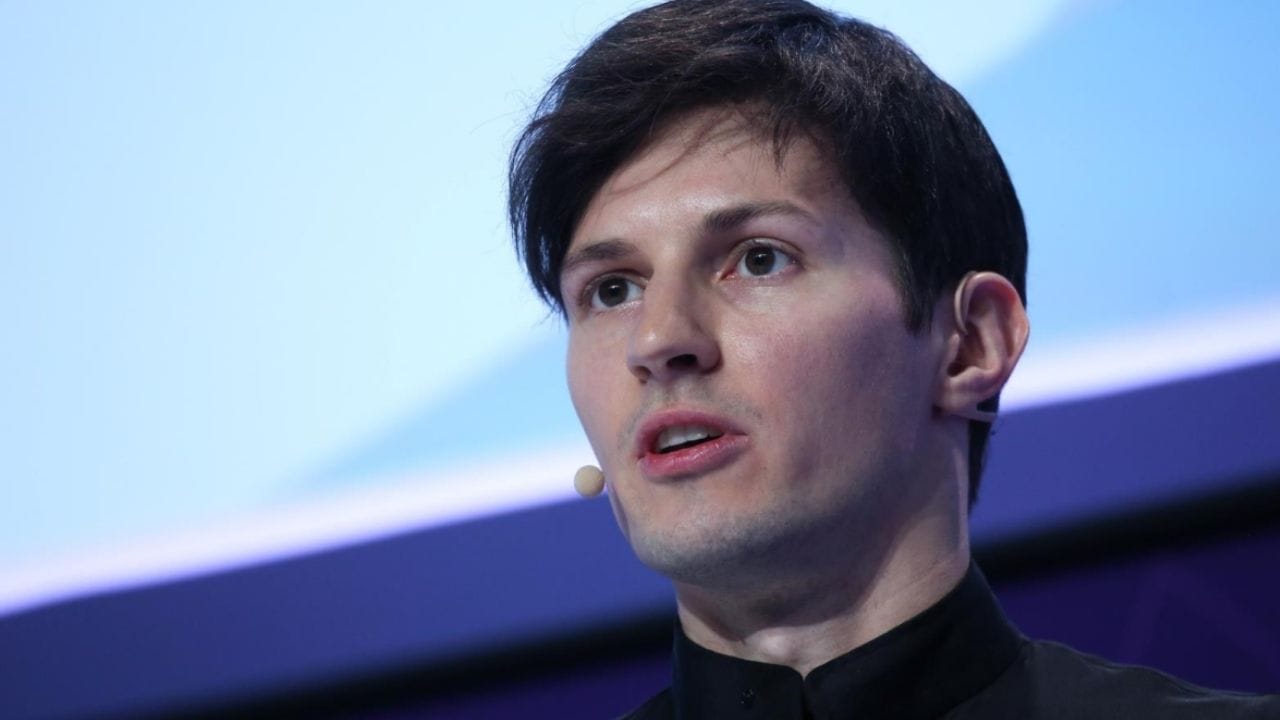
Russian-born, Dubai-based Pavel Durov created VKontakte, then Telegram, which now exceeds 900 million monthly users. Though Telegram’s 2019 TON ICO was halted by the SEC, Durov open-sourced the tech; community devs revived The Open Network. In 2024 Durov embraced TON, integrating a wallet bot and, in 2025, a “mini-apps” platform that lets games and merchants accept TON-based micropayments. He champions privacy—the service has resisted data requests even under pressure from multiple governments—and funds digital-rights NGOs with proceeds from Telegram’s bond sales.
Danish coder Rune Christensen co-founded MakerDAO, issuer of the over-collateralized stablecoin DAI. Following the “Endgame” manifesto, he spearheaded the launch of NewChain in 2025, migrating Maker governance to a modular layer-2 built on Solana code while spawning MetaDAOs for specific collateral types. Christensen’s risk frameworks were adopted by academic researchers studying algorithmic currency boards. He is a vocal advocate for decentralized scientific funding, pledging 15% of Maker surplus to climate-tech R&D via token-curated grants.

Caitlin Long

@CaitlinLong_

17

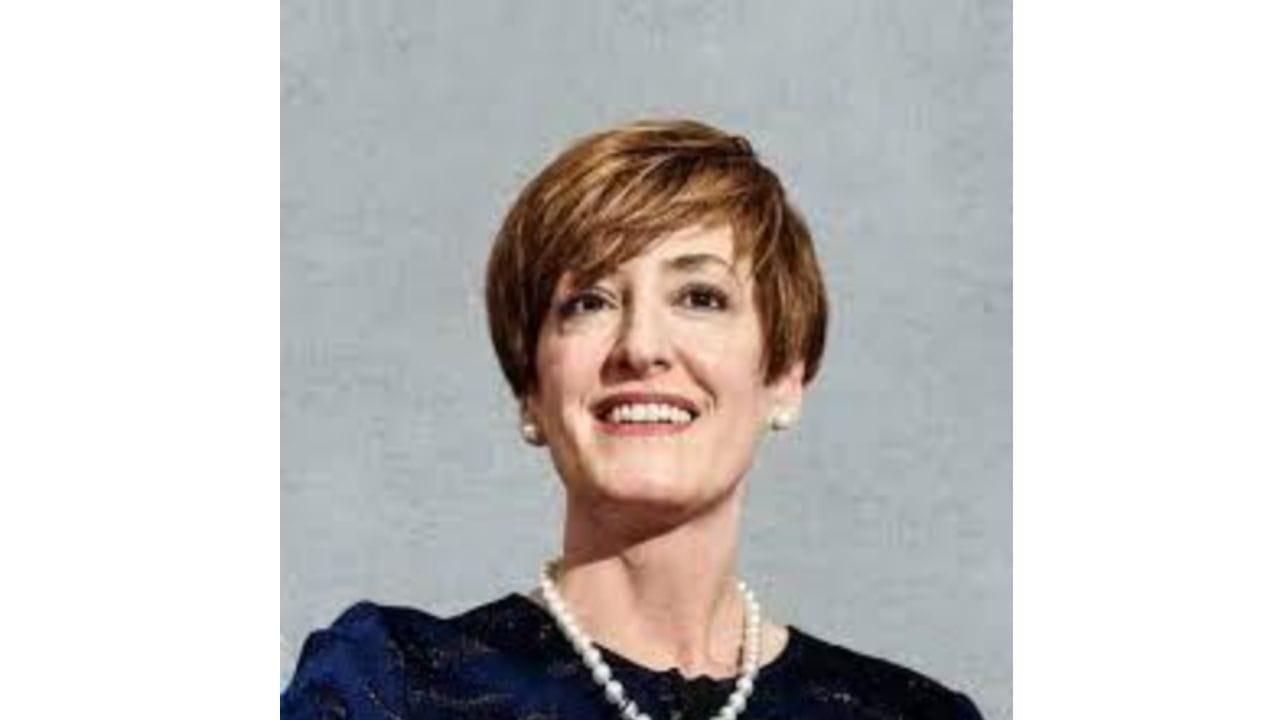
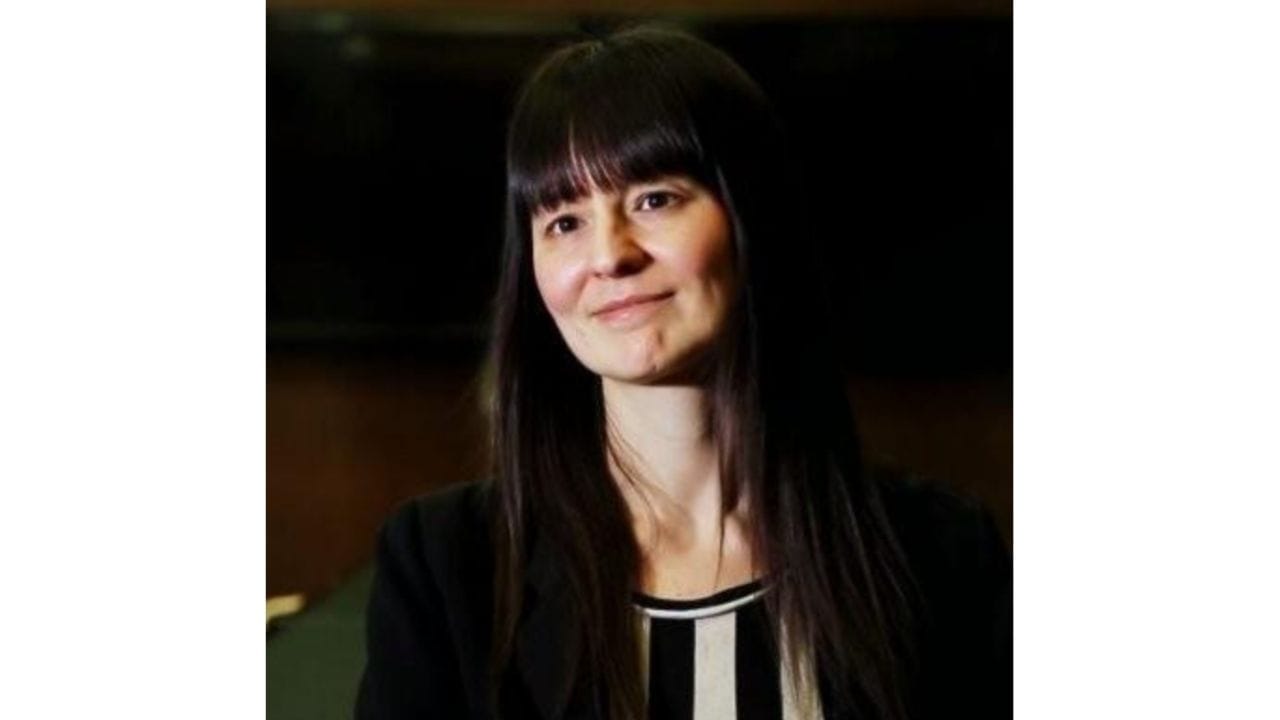
Caitlin Long, a 22-year Wall Street veteran, founded Custodia Bank in Wyoming to offer dollar settlement and Bitcoin custody under full-reserve banking. Despite a protracted battle with the Federal Reserve, Custodia won a landmark master-account ruling in January 2025, opening Fedwire access for crypto firms. Long previously chaired Wyoming’s Blockchain Task Force, drafting DAO and token-tax statutes copied by eight U.S. states. She advocates proof-of-reserves audits and frequently testifies before Congress on systemic-risk capital ratios.
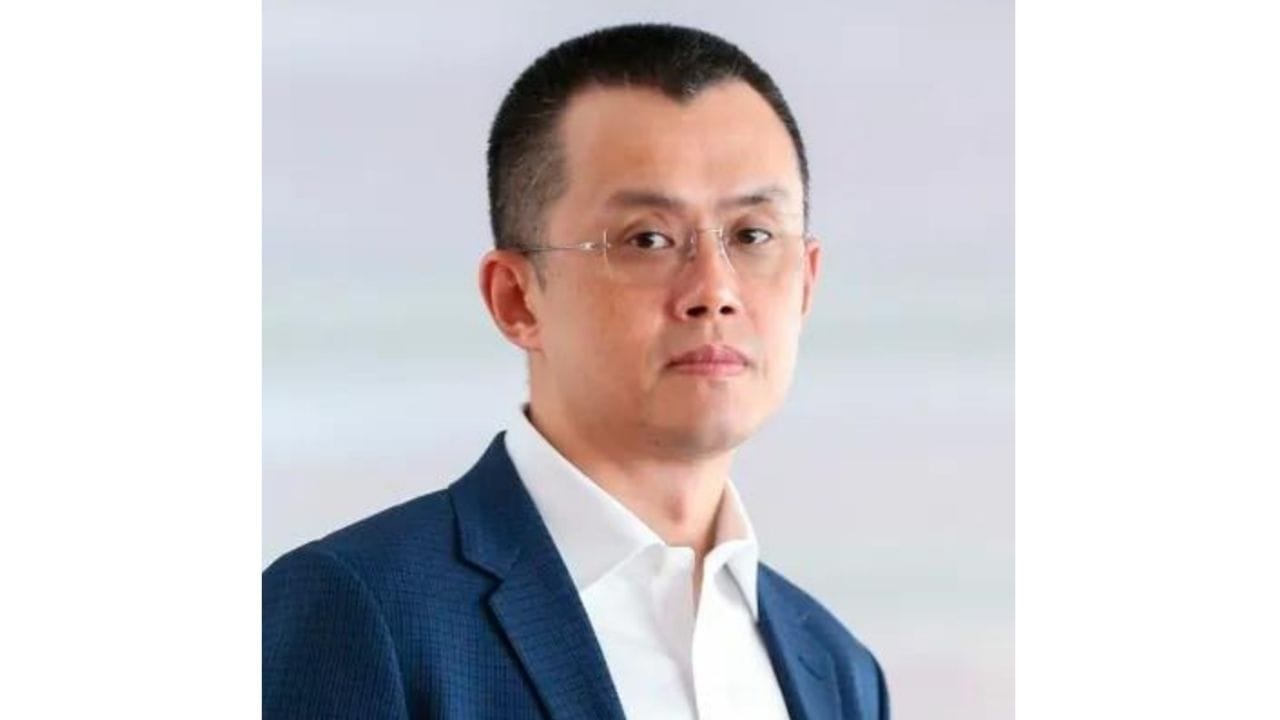
Born in Jiangsu and raised in Vancouver, CZ founded Binance in 2017 after stints at Bloomberg Tradebook and Blockchain.info. Under his charismatic hustle Binance became the planet’s highest-volume exchange within six months. In 2023 he stepped down as CEO after pleading guilty to U.S. AML violations, paying a $50 million fine, yet retained majority equity. Now a “global advisor,” CZ focuses on Binance Labs’ $7 billion venture arm and the charity delivering 2 million meals via BNB-chain vouchers.

Sandeep Nailwal

@sandeepnailwal

19

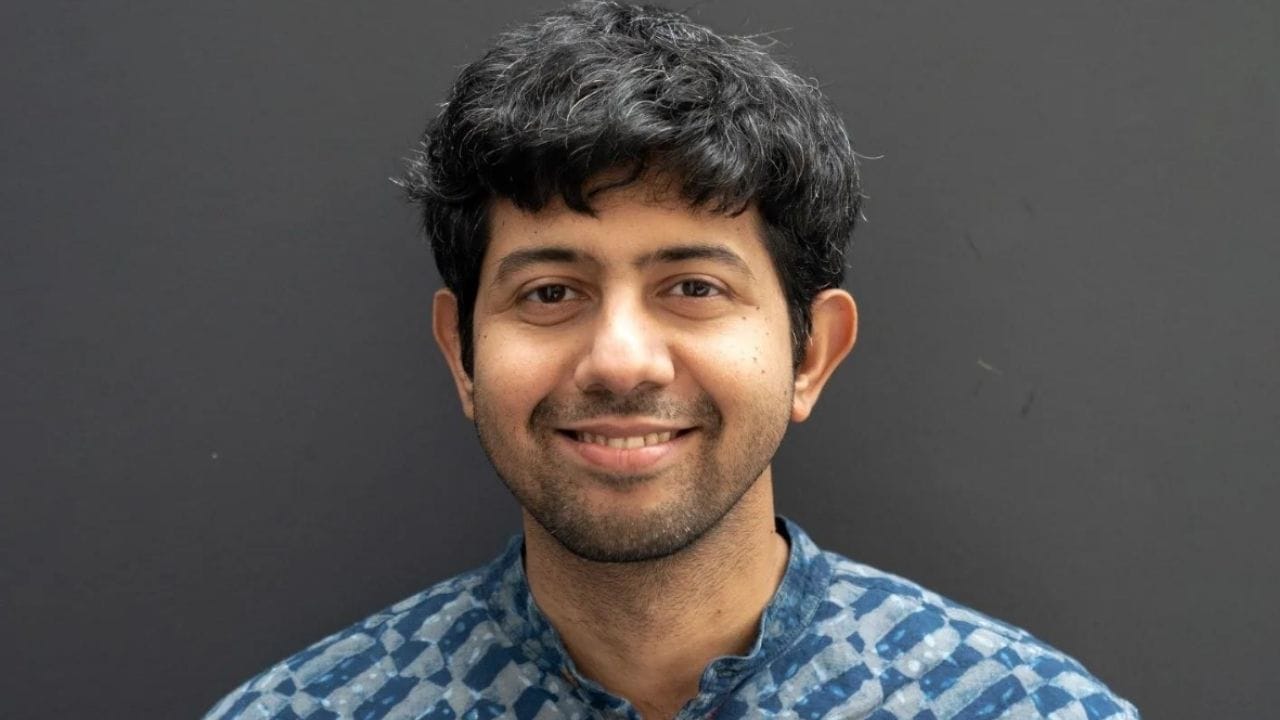
Indian engineer Sandeep Nailwal co-created Polygon (formerly Matic) to scale Ethereum through plasma sidechains; the project pivoted to a zk-roll-up ecosystem backed by Sequoia and SoftBank. Polygon 2.0’s 2025 AggLayer promises unified liquidity across L2s using zero-knowledge proofs and recursive staking. Nailwal also founded CryptoRelief, a COVID charity that distributed $470 million—transparently on-chain—across India. His annual “Build in Bharat” accelerator mentors hundreds of web3 startups in tier-2 cities.

Elizabeth Stark

@starkness

20

Harvard Law graduate Elizabeth Stark co-founded Lightning Labs, whose LND implementation powers most Bitcoin Lightning nodes. Stark’s vision of “internet-native micro-contracts” expanded in 2025 with Taproot Assets, enabling on-chain issuance of stablecoins that can route through Lightning’s instant-settlement channels. A visiting Berkeley lecturer, she teaches courses on cryptography and human rights. Stark’s policy work helped stall draconian FATF travel-rule extensions by highlighting Lightning’s non-custodial architecture.

Gavin Wood

@gavofyork

21

Gavin Wood is the British computer scientist who wrote the original Ethereum Yellow Paper and coined the term “Web 3.0.” After serving as Ethereum’s first CTO, he launched Polkadot in 2020, introducing the relay-chain / parachain model that lets sovereign blockchains share security. Wood’s 2023 “Asynchronous Backing” upgrade multiplied Polkadot throughput ten-fold, and by 2025 more than 60 parachains—from privacy-focused Phala to real-world-asset hub Centrifuge—settled over $15 billion in value each month. Fluent in Rust, he still commits code while running Parity Technologies, which also maintains the enterprise-ready Substrate framework. Wood funds the Web3 Foundation’s grants program, seeding 400+ open-source teams, and recently endowed a University of Cambridge research chair on formal verification of cross-chain protocols.

Charles Hoskinson

@IOHK_Charles

22

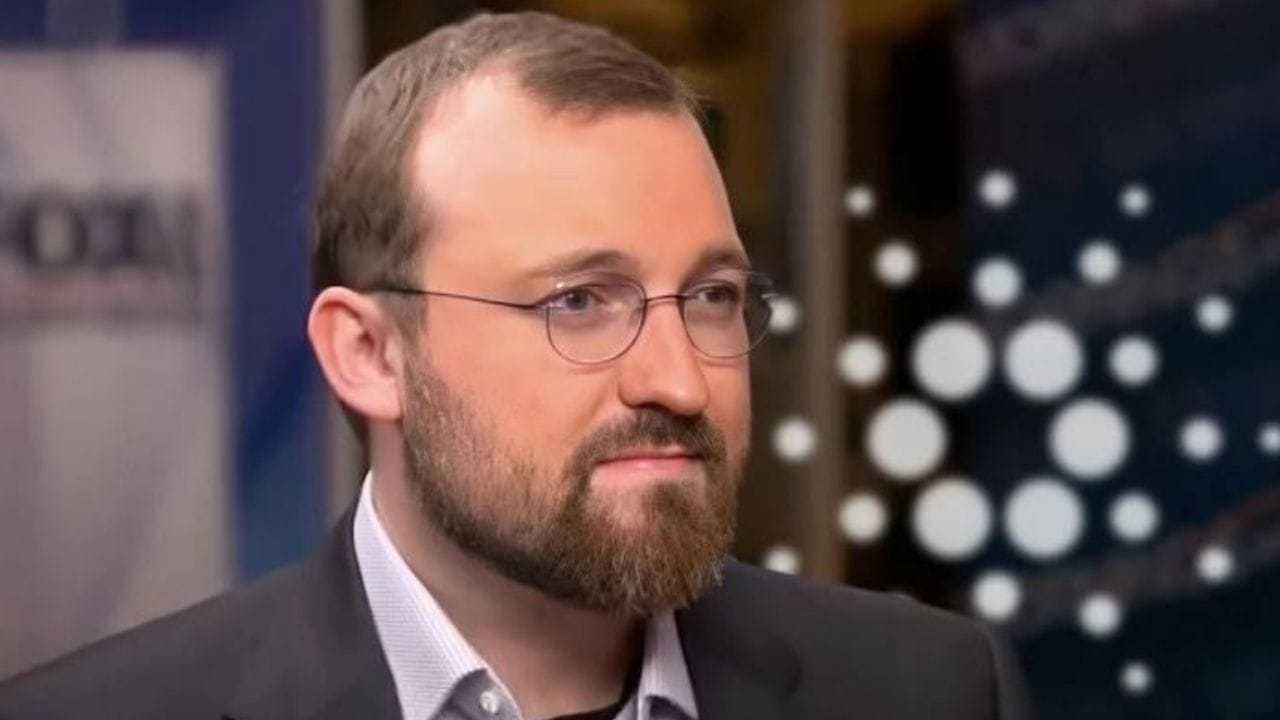
Charles Hoskinson is a Colorado-based mathematician who helped launch Ethereum, then founded Input Output Global and Cardano in 2015. Cardano’s research-first roadmap moved from the Byron foundation layer through Shelley staking to 2024’s Basho scalability phase; the 2025 Voltaire release finally enabled on-chain governance and a $2 billion community treasury. Hoskinson, an avid rancher and telescope collector, advocates peer-reviewed cryptography—70 academic papers underpin Cardano’s Ouroboros consensus—and has opened blockchain laboratories in Ethiopia and Mongolia. His latest initiative, Midnight, explores zero-knowledge data protection for regulated industries.

Sreeram Kannan

Sreeram Kannan | LinkedIn

23

University of Washington professor-turned-founder Sreeram Kannan created EigenLayer, the Ethereum “restaking” marketplace that lets applications borrow ETH’s security. Launched mainnet in 2024, EigenLayer reached $15 billion TVL by mid-2025, securing data-availability layers, oracle networks, and even AI inference markets. Kannan holds a Ph.D. in information theory and applied similar math to design “cryptoeconomic security as a service.” He remains a part-time academic, advising grad students on mechanism design, and recently co-authored a paper on slashing conditions for cross-chain attestations presented at IEEE INFOCOM 2025.

Shayne Coplan

Shayne Coplan | LinkedIn

24

Shayne Coplan founded Zora, the protocol that popularized open-edition NFT drops and creator royalties. In 2024 he spun out Permissions, an Ethereum L3 optimized for media licensing, where every audio sample or video clip becomes a programmatic on-chain object. Coplan, a former jazz drummer, champions “hyper-structures” that run forever without rent—Zora’s contracts are immutable and fee-less. His 2025 Creator Manifesto argues blockchains will overturn platform capitalism much like BitTorrent challenged record labels, a thesis now taught in NYU’s Music Business program.

Andy Ayrey

Andy Ayrey | LinkedIn

25

Andy Ayrey is the pseudonymous engineer behind MonkeDAO’s Truth Terminal, a whistle-blower site that stores leaked documents on Arweave with SHA-256 proof chains anchored to Solana. Formerly at Palantir, Ayrey pivoted to crypto privacy tools after witnessing data over-reach. Truth Terminal’s 2025 expose of mis-priced carbon credits prompted EU regulators to open a formal probe. Ayrey also co-authored the Solana Improvement Proposal for Confidential Transfers and mentors high-schoolers through the Electronic Frontier Foundation’s coding camps.

Cynthia Lummis

26

Senator Cynthia Lummis, a Republican from Wyoming, is Capitol Hill’s most outspoken “Bitcoin Senator.” She co-authored the 2024 Lummis-Gillibrand Responsible Innovation Act, clarifying that Bitcoin and Ether are commodities while granting DeFi protocols safe-harbor exemptions. In 2025 she chairs the rebranded Digital Assets Subcommittee, holding monthly hearings with miners, validators, and privacy experts. Lummis personally bought her first Bitcoin in 2013 and advocates for state-chartered crypto banks, having shepherded Wyoming’s DAO LLC statutes. Her staff publishes plain-language explainers so constituents can self-custody campaign donations.

Tigran Gambaryan

Tigran Gambaryan | LinkedIn

27

Tigran Gambaryan is Binance’s Global Head of Financial Crime Compliance and a former IRS Special Agent who led the 2017 Silk Road Bitcoin-seizure task force. After joining Binance in 2021, he built an in-house analytics unit that flags illicit flows faster than many national FIUs. His 2025 white paper on “On-Chain Behavior Typologies” is cited by Europol. Gambaryan conducts boot camps for emerging-market regulators, stressing proportional KYC so unbanked users aren’t excluded from DeFi.

Hunter Horsley

Hunter Horsley | LinkedIn

28

Wharton graduate Hunter Horsley co-founded Bitwise Asset Management in 2017, targeting wealth advisers with crypto index funds. Bitwise’s 2024 spot-Bitcoin ETF broke $3 billion AUM in six months; its equal-weight DeFi index followed in 2025. Horsley’s policy team publishes open models for fair-value pricing and lobbies the SEC to modernize 1940-Act custody rules. He also sponsors the Bitwise Academy, an eight-week course that has up-skilled 2,000 CFPs on digital-asset allocation.

Matt Hougan

Matthew Hougan | LinkedIn

29

Bitwise CIO Matt Hougan previously ran ETF.com, honing a knack for demystifying complex products. His weekly “Crypto Long & Short” notes are must-reads for RIAs, often correlating ETH gas fees with Fed liquidity windows. Hougan steered Bitwise into staking-yield strategies, designing the first 40-Act fund paying Ethereum rewards as dividends. He testifies before Congress on index methodology and funds a UC Davis research chair investigating on-chain market efficiency.

Balaji Srinivasan

Balaji Srinivasan, PhD | LinkedIn

30

Balaji Srinivasan—former Coinbase CTO, Andreessen Horowitz GP, and serial founder—wrote the best-seller “The Network State,” arguing that digitally-native communities will crowd-fund physical territory. In 2023 he made a high-profile (and lost) million-dollar Bitcoin bet to raise pandemic-response awareness; in 2025 he launched 1729 Corporation, a DAO that pays micro-bounties for completing science tasks. Srinivasan holds a Stanford Ph.D. in genomics, invests in longevity biotech, and mentors startups at the intersection of crypto and AI safety.

Eric Balchunas

Eric Balchunas | LinkedIn

31

Eric Balchunas is Bloomberg’s senior ETF analyst, nicknamed the “ETF Oracle.” He broke dozens of scoops on spot-Bitcoin ETF filings and co-authored “The Institutional Crypto Handbook.” Balchunas hosts the “Trillions” podcast, contextualizing flows data for mainstream investors, and built a live dashboard tracking Bitcoin ETF spreads. His 2025 research note on tokenized Treasuries predicted yields would compress 12 basis points once settlement moved on-chain—now widely cited by bond strategists.

James Seyffart

ames Seyffart, CFA, CAIA | LinkedIn

32

James Seyffart partners with Balchunas at Bloomberg Intelligence, specializing in SEC procedure. A former U.S. Army cryptologic linguist, Seyffart decodes regulatory comment letters in real time on Twitter Spaces. He mapped every precedent the SEC used against proposed Ether futures ETFs, helping issuers pre-empt objections. In 2025 he began compiling a public “Rulebook Tracker” GitHub repo that highlights where existing securities law touches crypto.

Ilia Polosukhin

Illia Polosukhin | LinkedIn

33

Ukrainian engineer Ilia Polosukhin co-founded Near Protocol after co-authoring the seminal “Attention Is All You Need” Transformer paper at Google. Near’s 2024 multi-chain operating system, BOS, lets developers compose React widgets that call any chain. Polosukhin’s 2025 Moonshot base-layer integrates on-chain GPUs for AI inference marketplaces, piloted with Stability AI for copyright tracking. He funds scholarships for displaced Ukrainian coders and campaigns for permissionless AI training datasets via decentralized storage.

Johnny Ng

Johnny Ng | LinkedIn

34

Johnny Ng Kit-Chong is a Hong Kong Legislative Council member and former telecom entrepreneur who champions the city’s crypto-hub revival. He co-drafted the 2024 Virtual Asset Service Provider regime, streamlining exchange licensing, and hosts quarterly public hearings with Web3 founders. Ng’s $100 million Web3 Spark fund invests in ZK-proof startups relocating to Cyberport. Fluent in Mandarin and English, he bridges mainland policy think-tanks with Hong Kong’s English-common-law framework.

Julia Leung

ulia Leung | LinkedIn

35

Julia Leung is CEO of Hong Kong’s Securities and Futures Commission (SFC). A Harvard-trained economist, she previously served at the Hong Kong Monetary Authority. Leung green-lit the first regulated retail Bitcoin and Ether ETFs in Asia in 2024, then introduced tokenized-bond sandbox rules copied by Singapore. In 2025 she spearheaded the “Smart-Reg” API, letting exchanges report suspicious wallets instantly, balancing innovation with investor protection. She often cites blockchain’s role in RMB internationalization.

Mahesh Ramakrishnan

Mahesh Ramakrishnan | LinkedIn

36

Ex-Goldman banker Mahesh Ramakrishnan founded Escape Velocity, a fund focusing on NFTs as cultural assets, then co-founded Hash3, bringing Bollywood studios on-chain for revenue-share tokens. His 2025 white paper on “IP-backed NFT securitization” won Princeton’s DeCenter prize. Ramakrishnan mentors female founders in Mumbai and runs a DeFi literacy podcast in Tamil and Hindi, expanding crypto discourse beyond English speakers.

Ray Chan

Ray Chan | LinkedIn

37

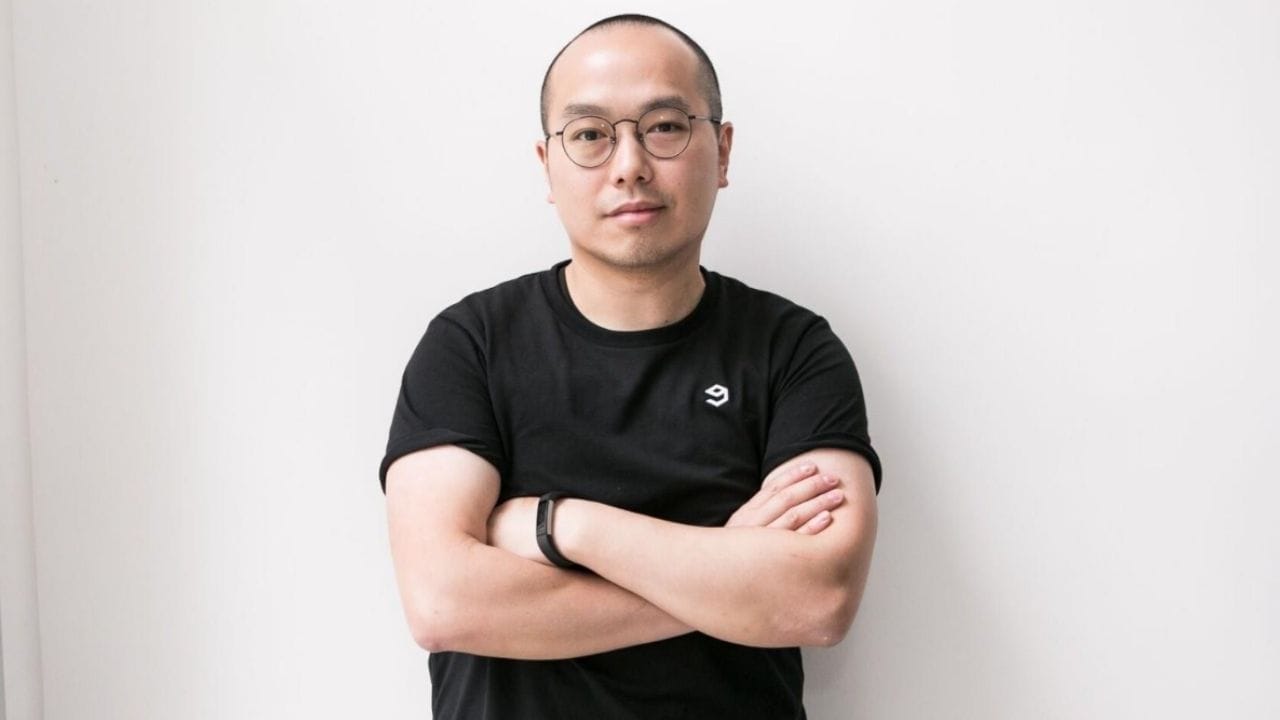
Ray Chan, known online as “9GAG CEO,” pivoted the viral-meme platform into Memeland, an NFT ecosystem that raised 26,000 ETH in 2023. In 2025 Chan launched Captainz, a pirate-themed PFP series whose holders receive drip-fed ERC-6551 “Treasure” NFTs. Memeland’s community governance DAO experiments with quadratic content-upvoting, and Chan’s irreverent but transparent treasury dashboards set a standard for pop-culture Web3 projects.

Robin Linus

@robin_linus

38

Swiss cryptographer Robin Linus invented BitVM, a 2023 proposal for Turing-complete smart contracts on Bitcoin using fraud proofs. Linus co-founded ZeroSync, which delivers zero-knowledge, proof-of-chain-state headers so new Bitcoin nodes can sync instantly. In 2025 he demoed a BitVM stablecoin bridge that pegs BTC to Ethereum without trust in a federation—hailed as a breakthrough for Bitcoin DeFi. Linus publishes all code MIT-licensed and holds weekly public audits on Twitter Spaces

ZachXBT

@zachxbt

39

ZachXBT is an anonymous on-chain sleuth who has helped recover over $25 million in hacked or rug-pulled funds since 2021. His meticulous Twitter threads map exploit wallets across dozens of chains, earning citations in French and U.S. court filings. In 2025 he launched “Signal Scanner,” an open-source tool that links Discord IDs to wallet activity, used by compliance teams worldwide. Despite multiple defamation suits, ZachXBT’s crowdfunded legal defenses routinely meet targets within hours.

Yat Siu

Yat Siu | LinkedIn

40

Hong Kong entrepreneur Yat Siu founded Outblaze, then Animoca Brands, the Web3 gaming conglomerate behind The Sandbox, REVV Racing, and dozens of metaverse IP deals. Valued at $6 billion in 2025, Animoca invests in over 450 start-ups, championing “digital property rights.” Siu advises Hong Kong’s Cyberport and UNESCO’s blockchain literacy initiatives. A classically trained oboist, he melds art patronage with tech, funding the Royal Vienna Philharmonic’s NFT archive for public-domain scores.

Steve Yun

Steve Yun | LinkedIn

41

Steve Yun is president of the TON Foundation, the Swiss non-profit stewarding The Open Network originally designed by Telegram. A former Google Cloud strategist fluent in Korean, Russian, and English, Yun joined the project in 2021 after Telegram ceded code to the community. He oversaw TON’s 2024 main-network hard fork that enabled “workchains,” letting national payment rails spin up shards with their own gas schedules. Under Yun, TON integrated directly into Telegram’s wallet bot and 2025 mini-apps platform, onboarding 100 million casual gamers and merchants. He forged partnerships with Kazakhstan’s QazPost for cross-border remittances and launched a $250 million TONcoin accelerator targeting Southeast Asian developers. Yun advocates “messaging-layer wallets” as crypto’s path to mass adoption and frequently briefs the ITU on privacy-preserving super-apps.

Luuk Strijers

Luuk Strijers | LinkedIn

42

Dutch derivatives veteran Luuk Strijers is Chief Operating Officer of Deribit, the world’s dominant crypto-options exchange, now clearing over $25 billion in notional volume monthly. A former Eurex and Optiver executive, Strijers joined Deribit in 2019, spearheading its relocation to Panama and later regulatory migration to Dubai’s VARA regime. He oversaw the launch of zero-delivery, cash-settled DVOL options and pioneered a unified portfolio-margin engine adopted as an industry standard in 2024. In 2025 Strijers introduced “power perpetuals”—volatility trading instruments that attracted hedge-fund sophistication to Bitcoin markets. An active educator, he publishes quarterly Greeks dashboards and mentors quant teams at Delft University.

Lily Liu

@calilyliu

43

Lily Liu, Stanford-trained economist and former CFO of the first Bitcoin hardware-mining unicorn, became President of the Solana Foundation in 2023. She cut her teeth advising China’s sovereign-wealth fund on tech acquisitions before co-founding Anagram, a venture studio funding privacy-preserving protocols. At Solana she steered the 2024 network reboot that slashed halt incidents 80 percent and launched the Solana Hyperdrive hackathon series across Lagos, Istanbul, and Buenos Aires. Liu champions emerging-market builders—40% of 2025 Solana grants went to sub-Saharan teams—and authored the “S-Chapter” corporate registry model that lets DAOs incorporate in Switzerland within 48 hours. A polyglot (Mandarin, Spanish, Portuguese), she hosts a bilingual podcast demystifying crypto macro trends.

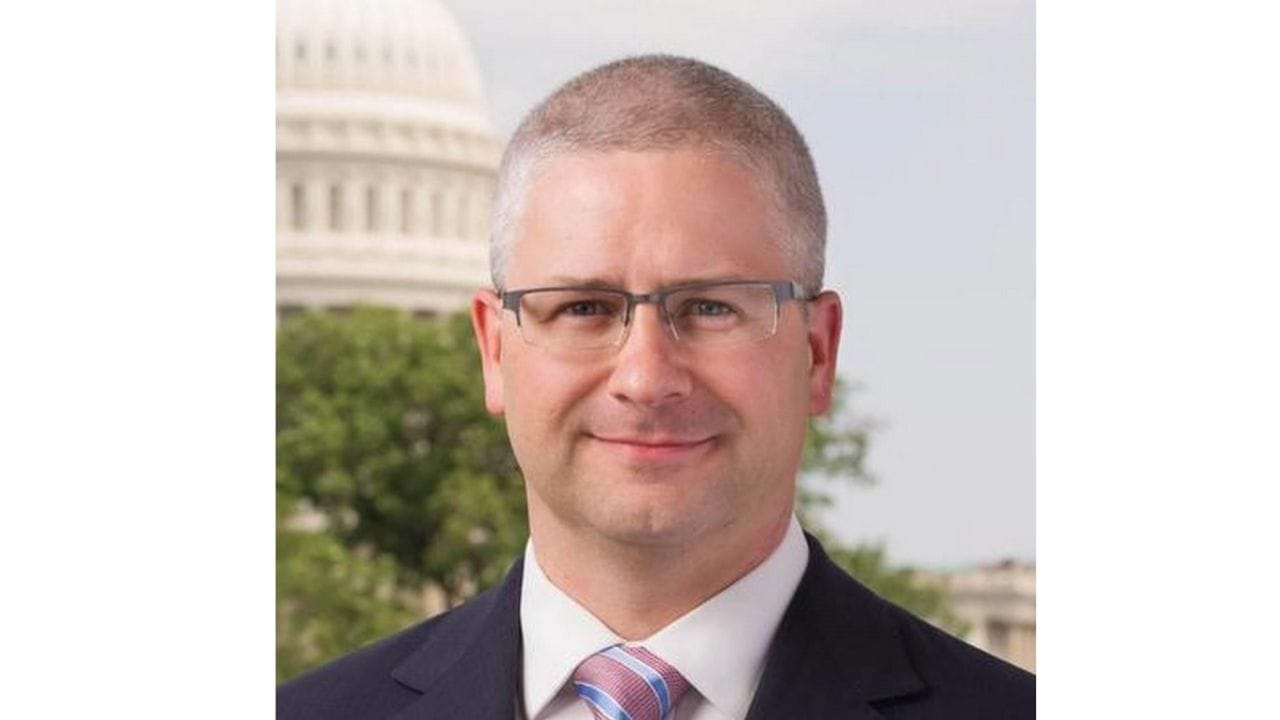
Patrick McHenry

@PatrickMcHenry

44

Representative Patrick McHenry of North Carolina chairs the powerful U.S. House Financial Services Committee. Once a bank-skeptical Tea Party firebrand, McHenry evolved into Capitol Hill’s bipartisan bridge for fintech. He co-sponsored the 2025 FIT Act, which defines decentralized protocols as “financial communications services” outside the Investment Advisers Act if they meet open-source and immutability criteria. McHenry shepherded stablecoin legislation through 14 markup sessions and hosted the first joint hearing with the Agriculture Committee to classify ETH as a commodity. A fan of recess-ruck commentary, he wears trademark bow ties and publishes plain-English explainers so constituents can self-custody CBDC airdrops.

Howard Lutnick

Howard W. Lutnick | LinkedIn

45

Howard Lutnick is chairman and CEO of Cantor Fitzgerald and its offshoot BGC Group, the interdealer broker that handles a significant slice of global Treasury trading. After BGC’s 2023 acquisition of Vertalo, Lutnick declared “everything will be tokenized,” and by 2025 the firm’s crypto arm, FMX, clears $2 billion daily in tokenized corporate-bond repos settled on the Provenance blockchain. Lutnick leveraged Cantor’s post-9/11 resilience ethos—he famously rebuilt the firm after losing 658 employees—to emphasize cryptographic disaster recovery. He funds the Lutnick Scholars Program at Haverford College, adding a blockchain governance track in 2024.

Fred Thiel

Fred Thiel | LinkedIn

46

Swedish-born entrepreneur Fred Thiel is CEO of Marathon Digital Holdings, the largest publicly traded Bitcoin miner by hash rate. An MIT Sloan graduate and former Lantronix CEO, Thiel steered Marathon through the 2023 energy-price spike by inking behind-the-meter agreements with Texas wind farms and, in 2024, Saudi solar installations. Marathon’s new Abu Dhabi joint venture runs immersion-cooled rigs whose waste heat desalinates 10,000 cubic meters of water daily. Thiel chairs the Bitcoin Mining Council, publishing quarterly sustainability dashboards, and lobbies for nuclear-powered load-balancing grids.

Greg Osuri

Greg Osuri | LinkedIn

47

Greg Osuri, a self-taught coder from Kerala, founded Akash Network, dubbed “the AirBnB for cloud GPUs.” After a stint designing NASA’s Nebula cloud platform, he launched Akash in 2020 to rent under-utilized compute via Tendermint consensus. The 2025 Akash Supercloud now brokers 45,000 GPUs across three continents, powering Llama-3 fine-tunes and video-render farms for Hollywood studios. Osuri proposed the Inter-Blockchain Scheduler to settle compute escrows with Cosmos IBC, and his “dePIN” manifesto argues decentralized physical infrastructure can beat AWS on both price and censorship-resistance. He mentors devs through Indian hacker-villages and sponsors Akashic Records, an archive of climate-data NFTs.

Adam Back

Adam Back | LinkedIn

48

Dr. Adam Back, British cryptographer and inventor of Hashcash (the proof-of-work precursor cited by Satoshi), co-founded Blockstream in 2014. Under his leadership Blockstream launched the Liquid sidechain, Green wallet, and satellited Bitcoin block headers across the globe for offline verification. In 2025 Blockstream’s “Project Cipher” unveiled enterprise-grade e-cash tokens using Chaumian blind signatures—reflecting Back’s long-standing interest in privacy money. A Ph.D. in distributed systems, he testified before the UK Treasury on CBDCs and runs an annual “Proof-of-Work Summit” in Reykjavik that pairs geothermal miners with AI researchers.

Jesse Powell

Jesse Powell | LinkedIn

49

Jesse Powell co-founded Kraken in 2011 after witnessing Mt. Gox’s infamous 2011 hack. An art collector fluent in Japanese, Powell led Kraken to acquire futures venue Crypto Facilities and secure Wyoming’s first SPDI bank charter. Though he stepped down as CEO in 2022, Powell remains board chair and heads Kraken’s proof-of-reserves initiative. In 2025 Kraken became the first global exchange to publish twice-daily Merkle-tree attestations signed by the Big Four. Powell funds Code-to-Inspire in Afghanistan and is vocal against “chokepoint” banking crackdowns, donating legal-defense grants to activists.

Stani Kulechov

@StaniKulechov

50

Finnish programmer Stani Kulechov conceived Aave while studying law at the University of Helsinki. Launched as ETHLend in 2017, Aave evolved into a multi-chain liquidity protocol exceeding $15 billion TVL by 2025. Kulechov introduced flash loans, inspiring a new DeFi primitive, and Aave v4’s 2025 release adds cross-chain “teleport” lending powered by zk-proof bridges. He also founded Lens Protocol, a decentralized social-graph layer, where users own their posts as NFTs; Lens now hosts 200,000 daily active wallets. Kulechov mentors builders at Aave-grants DAO and helped draft EU MiCA technical standards for permissionless pools.

Andre Cronje

@AndreCronjeTech

51

South African developer Andre Cronje shot to fame in 2020 with Yearn Finance’s “fair launch,” distributing governance to early yield aggregators. After a brief sabbatical, he returned in 2023 as Director of Engineering at Fantom Foundation, shipping Sonic, a high-throughput upgrade that slashed block times to 300 milliseconds. Cronje’s 2025 Solidly v3 AMM introduced ve(3,3) gauges to five EVM chains, attracting $2 billion in TVL within a month. Known for shipping code first and blogging later, his candid posts—“I Test In Prod”—are cult reading for DeFi builders.

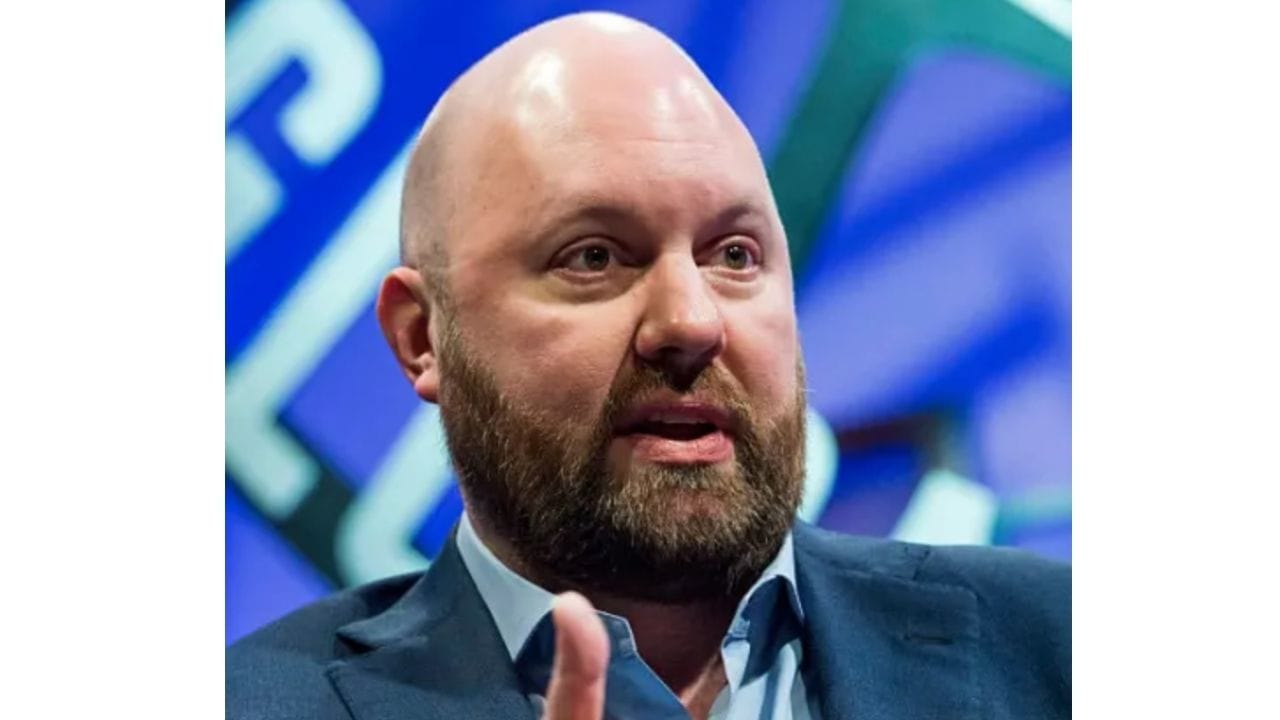
Marc Andreessen

@AndreCronjeTech

52

Marc Andreessen, Netscape co-author and co-founder of Andreessen Horowitz, expanded the firm’s crypto wars chest to $7.6 billion across four dedicated funds by 2025. A board member of Meta and Coinbase, he champions “techno-optimism,” publishing a 2024 manifesto that cited blockchains as public-goods funding engines. A16z Crypto’s research lab sponsors zero-knowledge math at Berkeley and built open-source, MIT-licensed ZK circuits for ID wallets. Andreessen’s podcasts with world leaders—ranging from El Salvador’s Bukele to AI scientist Yann LeCun—regularly shape macro narratives.

Ryan Selkis

@twobitidiot

53

Ryan Selkis is CEO of Messari, the crypto market-intel platform he launched after blogging under the pen name “Two-Bit Idiot.” Messari’s annual “Crypto Theses” report (400+ pages) sets the tone for institutional slide decks. Selkis organizes Mainnet, New York’s flagship fall conference, and in 2024 co-founded the pro-crypto SuperPAC Fairshake, raising $85 million to influence U.S. midterms. A former Digital Currency Group exec, Selkis advocates transparent token cap tables; Messari’s registry covers 1,500 assets with auditable off-chain equity links.

Peter Smith

@OneMorePeter

54

British entrepreneur Peter Smith co-founded Blockchain.com in 2011, providing one of the earliest Bitcoin block explorers and custodial wallets. Today the platform boasts 90 million users and processed $1 trillion in lifetime volume. Smith steered the company’s 2025 IPO filing, revealing a profitable lending desk and Cosmos-SDK-based derivatives exchange in beta. He champions open APIs, offering free blockchain data to 40,000 student developers annually, and funds an Oxford research lab on cryptographic proofs for ESG-tracking tokens.

Kain Warwick

@KieranWarwick

55

Australian ex-poker-pro Kain Warwick created Synthetix, the derivatives liquidity protocol that enables on-chain exposure to commodities, equities, and forex. After sunsetting inflationary rewards, Warwick shipped Synthetix v3 in 2025, moving collateral to a cross-chain “staking conduit” and enabling composable perpetuals. He is a vocal critic of VC-led tokenomics and supports public-goods funding through Gitcoin. Warwick’s Thales market spun out into a parimutuel prediction platform for sports, showing his knack for bootstrapping adjacent ecosystems.

56

Stephen Pair, co-founder and CEO of BitPay, pioneered merchant Bitcoin payments, enabling WordPress and Newegg checkouts as early as 2013. A former IBM cryptographer, Pair added stablecoin settlement in 2021 and Lightning support in 2024. By 2025 BitPay processed $4 billion across 220 countries, offering prepaid cards and PayPal-style checkout buttons. Pair’s open-source Payment Protocol, BIP-270, combats address-reuse surveillance. He sponsors Georgia Tech’s blockchain incubator and campaigns for crypto sales-tax parity with credit cards.

Sam McIngvale

@sammcingvale

57

Sam McIngvale leads Coinbase Custody, safeguarding ETF issuer assets under SOC-2 Type II accreditation. A Rice University grad, McIngvale architected Coinbase’s cold-storage system—sharded HSM keys dispersed across five jurisdictions—and rolled out sub-account governance so fund auditors can view balances in real time. In 2025 he launched wCBETH, a wrapped-staking token compliant with ’40-Act diversification rules. McIngvale sits on the DTCC Digital Assets Advisory Council, pushing for T-plus-zero settlement rails between broker-dealers and on-chain custodian nodes.

Joyce Kim

Profile / X

58

Joyce Kim, a Harvard Law alumna and former media start-up founder, co-created Stellar with Jed McCaleb in 2014 to facilitate low-cost remittances. She directed Stellar Development Foundation’s inclusion strategy, piloting United Nations cash-aid programs that paid Syrian refugees in Stellar USDC redeemable at Lebanese grocers. Kim left the foundation in 2019 but remains on its board, focusing on policy; she was appointed to the IMF’s 2025 advisory panel on cross-border CBDC interoperability. Kim mentors female founders via SparkLabs Korea and writes extensively on human-rights tech.

Olaf Carlson-Wee

Olaf Carlson-Wee | LinkedIn

59

Olaf Carlson-Wee, Coinbase’s first employee, founded Polychain Capital in 2016 with $4 million; by 2025 it manages $15 billion across liquid tokens and early-stage SAFEs. Known for bold thematic bets—privacy coins in 2017, interoperability in 2020, modular roll-ups in 2023—Carlson-Wee famously reads every protocol white paper end-to-end. Polychain’s 2024 fourth fund raised $800 million amid bear-market gloom, illustrating LP confidence. Olaf, who penned his Stanford sociology thesis on Bitcoin, now underwrites open-source security audits and funds ballet NFTs choreographed by his sister.

Bobby Ong

Bobby Ong | LinkedIn

60

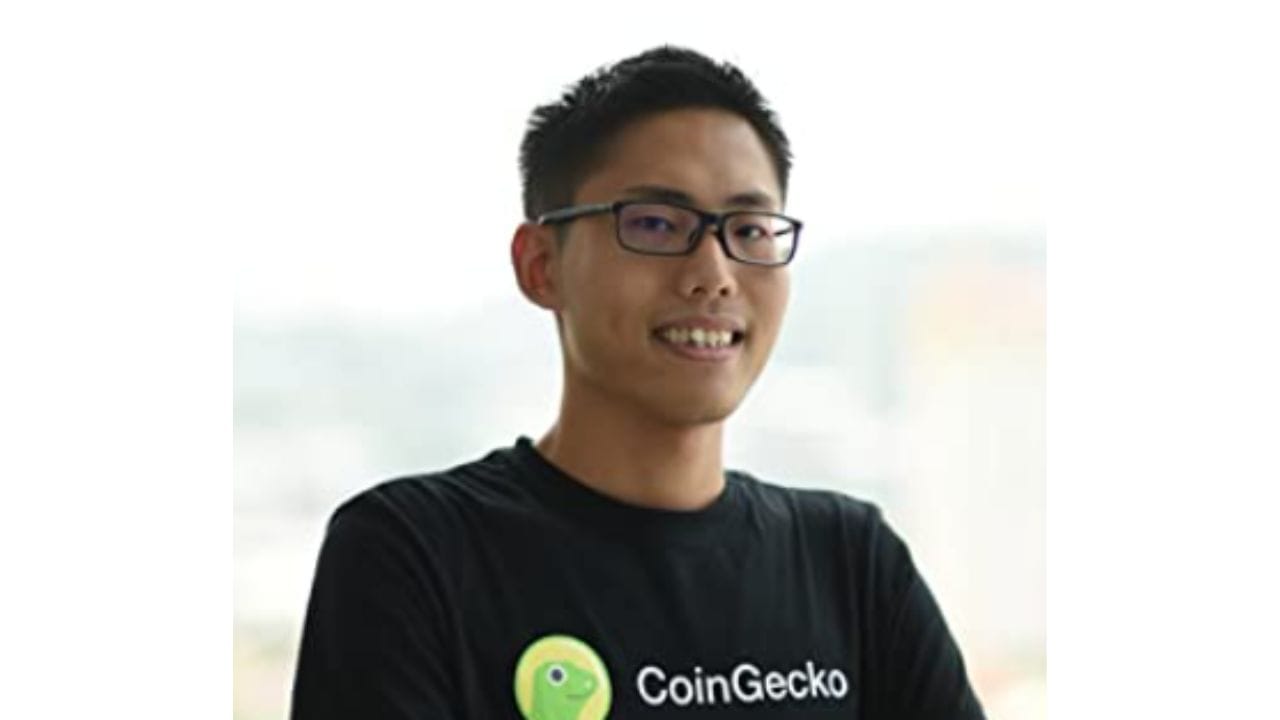
Malaysian entrepreneur Bobby Ong co-founded CoinGecko in 2014, now the second-largest crypto data site after CoinMarketCap. CoinGecko tracks 13,000 coins and 800 exchanges, and its Quarterly Reports—translated into 10 languages—shape retail sentiment across Asia. Ong introduced GeckoTerminal for real-time on-chain DEX analytics and publishes an annual “Developer Report” that GitHub’s Octoverse cites. In 2025 he launched Gecko Earn, aggregating DeFi yields with risk scores, and spearheaded Malaysia’s Digital Asset Committee to craft tax clarity. Ong mentors at 500 Startups and supports rainforest conservation via tokenized carbon offsets.

Barry Silbert

@BarrySilbert

61

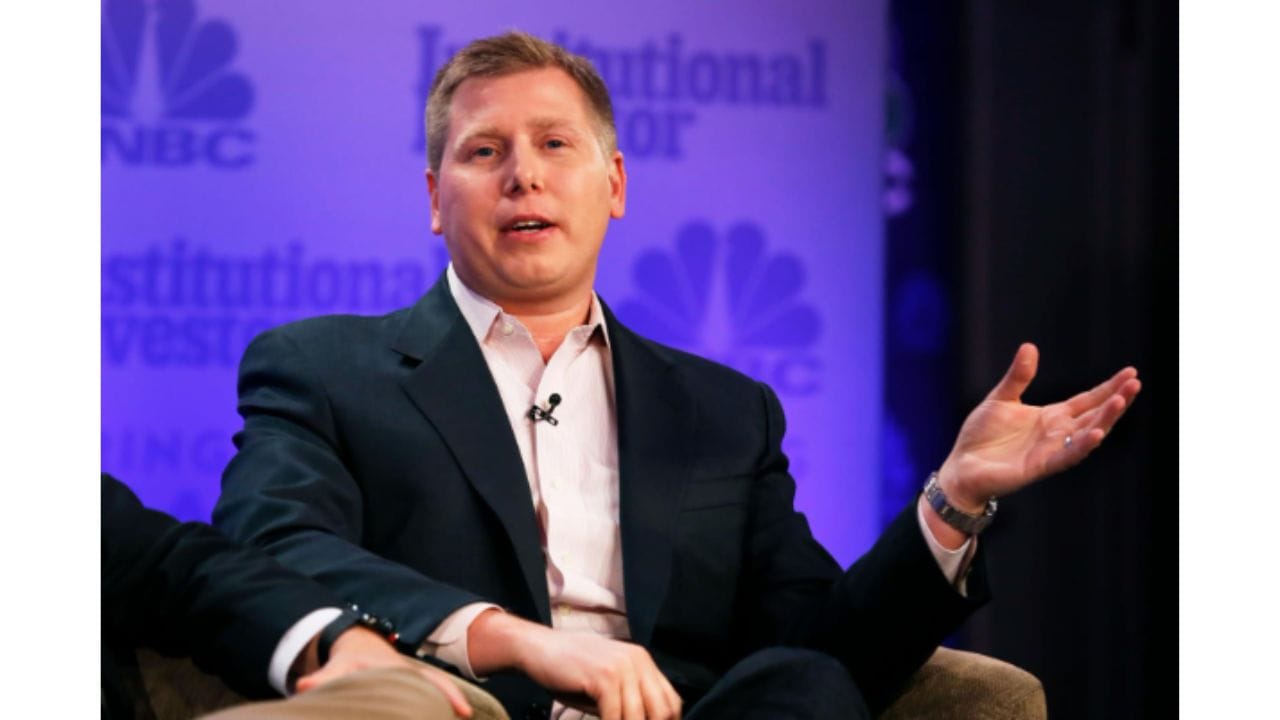
Barry Silbert is the deal-making New Yorker who founded Digital Currency Group (DCG) in 2015 after cashing out his SecondMarket equity-trading platform to NASDAQ. Through DCG he seeded Grayscale, CoinDesk, Foundry, and more than 200 other crypto start-ups across 35 countries. Silbert’s flagship Grayscale Bitcoin Trust catalyzed institutional exposure when ETFs were still blocked, ultimately amassing over 650,000 BTC before converting to a spot fund in early 2024. After weathering the 2022 Genesis lending implosion, Silbert spent 2023-25 recapitalizing DCG with a $1.2 billion asset sale, then pivoted into tokenized credit markets, launching the “Creda” protocol for short-duration corporate receivables. A tireless industry lobbyist, he co-chairs the Blockchain Association’s policy council, financing data-driven briefs that persuaded the U.S. Financial Accounting Standards Board to adopt fair-value crypto disclosures in 2025.

Cathie Wood

@CathieDWood

62

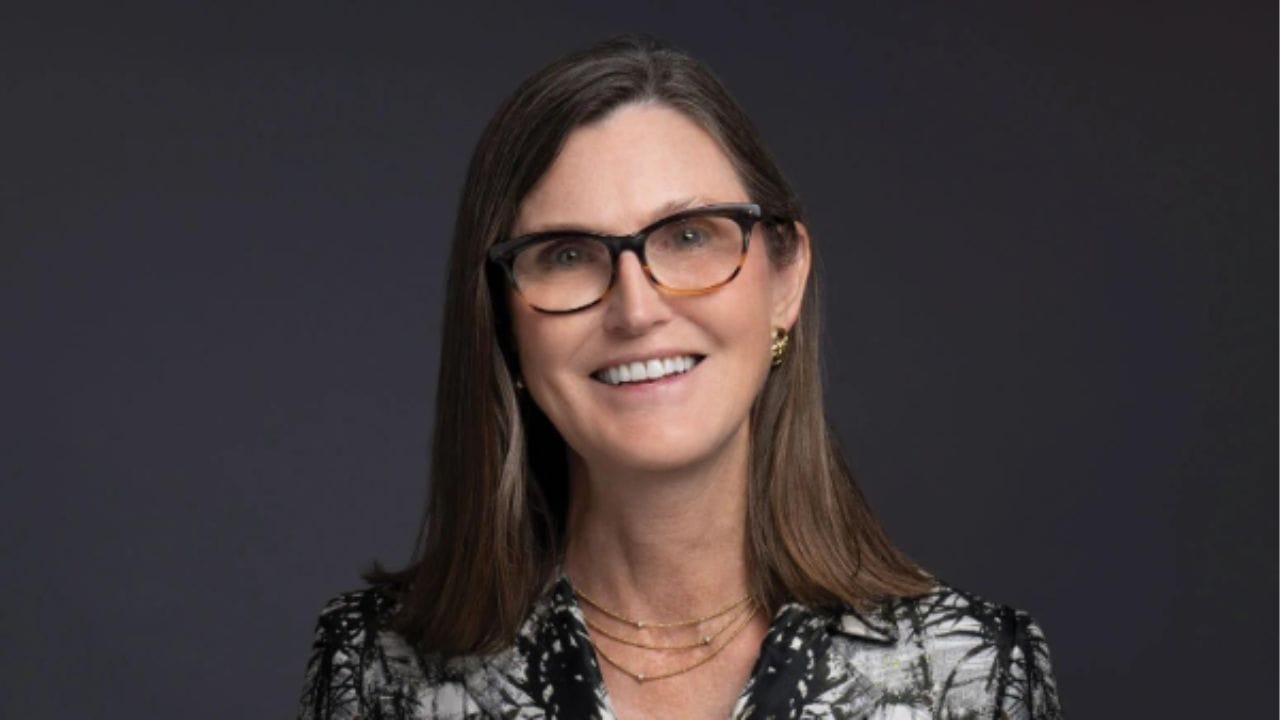
Cathie Wood is the charismatic founder and CIO of ARK Invest, famous for high-conviction bets on Tesla, gene editing, and Bitcoin. ARK bought its first BTC at $250 in 2015 and filed, alongside 21Shares, the first U.S. spot-Bitcoin ETF application rejected in 2021. Wood persisted, and the ARK 21Shares Bitcoin ETF finally launched in January 2024, climbing to $18 billion AUM by mid-2025. She next pivoted to Ether, filing the earliest spot-ETH ETF—now widely expected for Q4 2025 approval. Wood broadcasts weekly macro streams that link blockchain diffusion curves to Wright’s Law of cost declines, and her open-source valuation models are downloaded by 70,000 CFA charter-holders. She funds ARK Venture Fellows, placing underrepresented MBAs into token-native start-ups, and sponsors Catholic Charities’ BTC endowment pilot.

Chamath Palihapitiya

Chamath Palihapitiya | LinkedIn

63

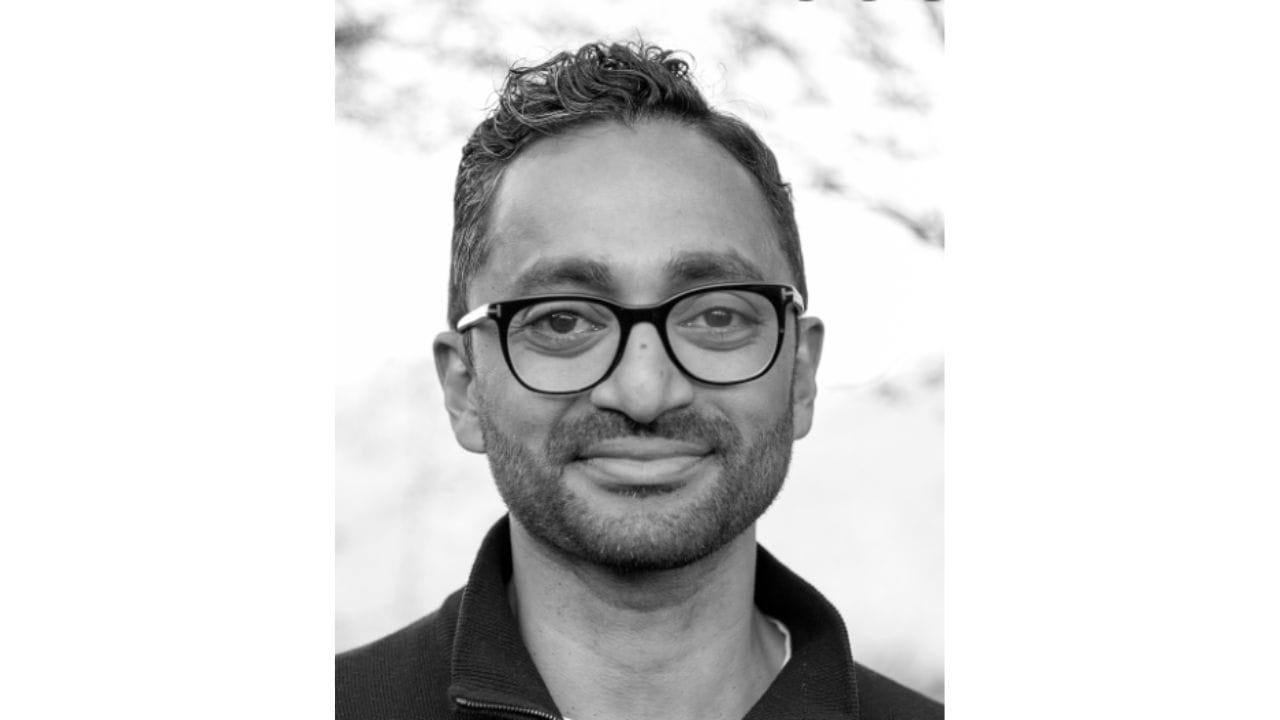
Chamath Palihapitiya, the Sri Lankan-born former Facebook executive, runs Social Capital, a Palo Alto fund blending venture, public-equity, and crypto strategies. He bought his first Bitcoin in 2012 and once claimed to own one million coins for the firm and family office combined. Though dubbed the “SPAC King,” Palihapitiya rotated into token warrants in 2024, sponsoring a $500 million “one-click IPO” platform on Avalanche for climate-tech companies. He co-hosts the All-In Podcast, framing Bitcoin as “Schumpeterian creative destruction” during every Fed policy swing. In 2025 he endowed the Berkeley Center for Decentralized Society, researching how DAOs could replace HOA boards and municipal bonds. A competitive poker player, Chamath likens portfolio construction to calculated aggression at the table—a mindset that shapes his 40% crypto strategic allocation.
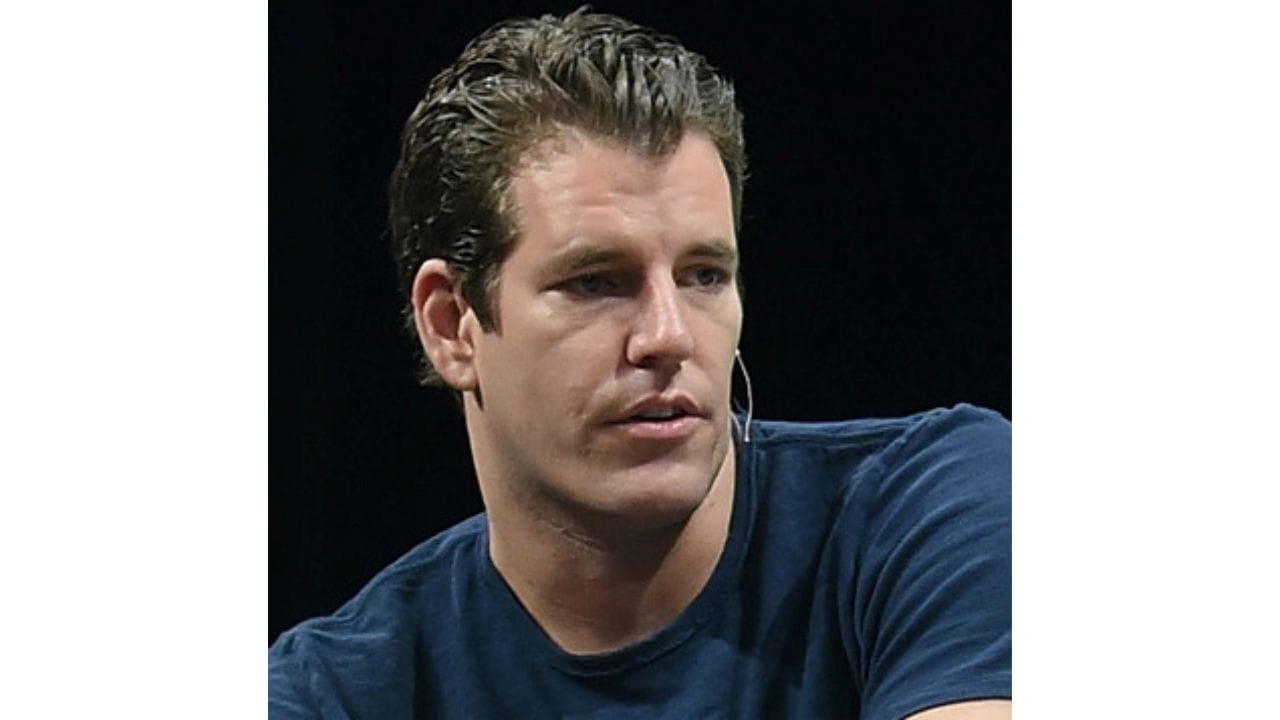
Tyler Winklevoss, one half of the Olympic-rowing twins, co-founded Gemini in 2014 after parlaying the Facebook settlement into early Bitcoin buys around $120. As company president, Tyler oversees institutional sales and the firm’s in-house clearing solution, Gemini Galactic, which went live under Europe’s MiCA regime in 2025. He spearheaded “Gemini Green,” an initiative that purchases Vermont hydro RECs equal to 125% of the exchange’s Bitcoin-mining footprint. Outside business he co-writes indie rock for the band Mars Junction—recently touring venues that accept BTC-Lightning tickets—and funds the Winklevoss Scholars Program, awarding 20 collegiate rowing athletes tuition paid in Bitcoin each year.
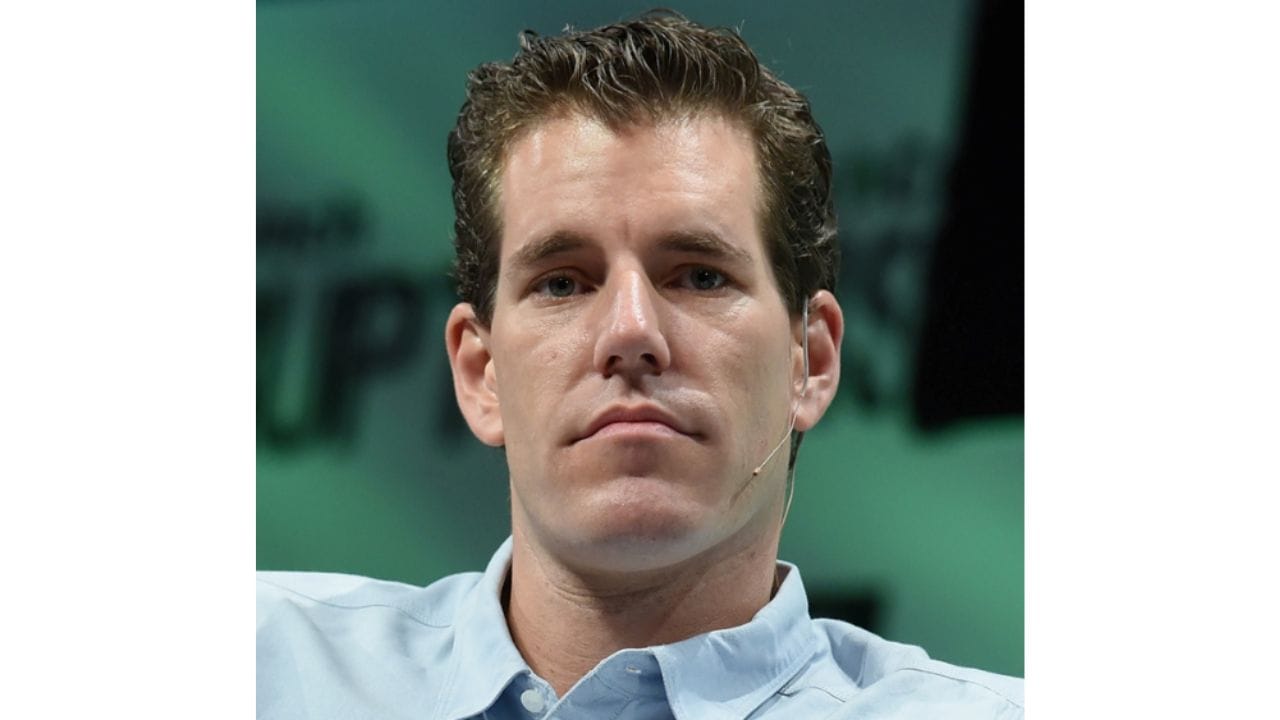
Gemini CEO Cameron Winklevoss focuses on product and regulatory strategy. After master-minding Gemini’s SOC-1 and SOC-2 compliance milestones, he spent 2023-25 courting EU regulators to secure the first pan-European exchange passport under MiCA. Cameron launched the Gemini Dollar (GUSD) stablecoin, which migrated to Polygon zkEVM in 2024 to cut gas fees 98% for retail savers. A philosophy graduate, he quotes Marcus Aurelius in quarterly memos stressing antifragility through proof-of-reserves. Cameron bankrolls Elysium Racing, the twins’ Oxford-based rowing incubator, now experimenting with tokenized fan shares that grant governance over training apparel designs.

66

Meltem Demirors is Chief Strategy Officer at CoinShares, the $5 billion European digital-asset manager. Fluent in four languages, Demirors previously led the World Economic Forum’s blockchain council and began mining Bitcoin in her MIT dorm. She appears weekly on CNBC to spar with skeptics, armed with meticulously sourced slide decks. In 2024 she guided CoinShares’ acquisition of Valkyrie’s ETF unit, giving the firm its first foothold in U.S. markets. Demirors’ 2025 “Digital Commodities Outlook” predicted stablecoin velocity would surpass PayPal volumes—a thesis now endorsed by the IMF. A fierce advocate for open-source tax policy, she funds the Crypto Research & Design Lab translating regulatory comment letters into plain Turkish, French, and Arabic.

67

Robert Leshner is the ex-municipal-bond trader who founded Compound, the lending protocol that introduced algorithmic interest rates to Ethereum in 2018. With governance fully decentralized, Leshner left day-to-day ops in 2022 but returned to TradFi, launching Superstate, an SEC-registered fund tokenizing short-term Treasuries on Ethereum. The fund crossed $1 billion in assets by April 2025, proving real-world assets can live on public chains. Leshner’s Reg R tactics—splitting settlement from custody—are case-studied at Wharton. He still contributes to Compound governance, recently pushing for cross-chain debt markets via LayerZero. Outside crypto, Leshner sits on Code 2040’s board, multiplying Black and Latinx participation in computer science.

Danny Ryan

@dannyryan

68

Danny Ryan, Ethereum Foundation researcher and Notre Dame alumnus, served as lead coordinator for “The Merge” and subsequent Shanghai upgrade. His 2024 posts on single-slot finality clarified the roadmap toward sub-second confirmations. In 2025 Ryan heads the Pectra task force, focusing on Verkle trees and stateless clients that shrink Ethereum validator disk usage by 80%. He travels hackathons teaching beacon-chain internals and maintains Eth-Spec tests, the canonical reference for client devs. A marathoner, he likens consensus to distance running: incremental, disciplined, and community fueled.

Dan Schulman

@Dan_Schulman

69

Dan Schulman stepped down as PayPal CEO in 2023 but remains executive chair, steering its blockchain initiatives. Under his tenure PayPal launched PYUSD, an Ethereum-based stablecoin issued by Paxos that now operates in 60 countries and is integrated with Venmo and Xoom. Schulman orchestrated PayPal’s 2025 partnership with Chainlink for off-chain FX rate oracles, slashing settlement costs for SMB exporters. He advocates stakeholder capitalism—PayPal re-directed $540 million of idle balances into community development financial institutions—and is piloting crypto payroll for gig workers in Mexico. A Krav Maga black belt, Schulman sees digital wallets as tools for financial self-defense.

Jihan Wu

Wu Jihan | LinkedIn

70

Jihan Wu translated Satoshi’s white paper into Chinese and co-founded Bitmain in 2013, which quickly dominated ASIC mining rigs. After a turbulent power struggle, he spun out Bitdeer, taking it public on NASDAQ in 2023. By 2025 Bitdeer runs 600 exahash across Texas, Bhutan, and Norway, pioneering liquid-cooling farms. Wu’s “hashrate mutual fund” lets institutions buy compute credits hedged with BTC collars. A Peking University economics grad, he argues proof-of-work incentivizes stranded-energy monetization, publishing Mandarin papers cited by China’s State Grid planners.

Gavin Andresen

Gavin Andresen | LinkedIn

71

Software engineer Gavin Andresen became Bitcoin’s lead maintainer after Satoshi’s 2010 departure, later founding the Bitcoin Foundation. Though peripheral since 2016, he stewards the Bitcoin Improvement Proposals repo and mentors Core devs on code-review best practices. Andresen’s 2025 Drivechains proposal, enabling sidechains via miner opt-in, rekindled debate on Bitcoin functionality. He now directs the Boston-based Digital Garage, archiving early crypto e-mails and IRC logs for academic researchers.

Charlie Lee

Profile / X

72

Charlie Lee created Litecoin in 2011 to test Bitcoin upgrades in a live environment—hence its moniker “silver to Bitcoin’s gold.” After selling most of his LTC holdings in 2017 to avoid conflict, Lee focused on development, leading Litecoin’s MimbleWimble Extension Block privacy upgrade live in 2022. By 2025 over 50% of wallets support MWEB confidential transfers. Lee runs the Litecoin Foundation, funding UFC sponsorships and Ukraine humanitarian aid via LTC donations. A former Coinbase engineering director, he now advises startups on script-compatible multi-sig wallets.

Chris Dixon

Chris Dixon | LinkedIn

73

Chris Dixon is the public face of a16z crypto investing and author of the 2023 book “Read Write Own.” A former founder who sold Hunch to eBay, Dixon’s “toy-then-tool” framework shapes the firm’s bets on social-fi and zk-proof infrastructure. He leads the a16z Crypto Startup School, which has graduated 2,500 founders in three cohorts, and funds the Museum of the Moving Image’s NFT archive. In 2025 Dixon launched the “Pro-Builder Manifesto,” pushing policymakers to exempt protocol devs from liability the way Section 230 protected internet hosts.

Naval Ravikant

@NavalQuotes

74

AngelList co-founder Naval Ravikant is Silicon Valley’s philosopher-king, weaving stoicism, wellness, and crypto into viral tweet-storms. An early Bitcoin buyer, he accumulated ETH during the 2014 crowdsale and bankrolls ZKSNARK-based identity projects. His 2024 essay “The Network State is Now” influenced Balaji Srinivasan’s movement, and in 2025 he launched Spearhead IV, letting 30 founders invest $1 million each in Web3 startups of their choosing. Ravikant’s daily “Naval AI” podcast—voiced by his consented digital twin—explores crypto’s role in sovereign-individual futures.

Stan Druckenmiller

Stanley Freeman Druckenmiller | LinkedIn
75

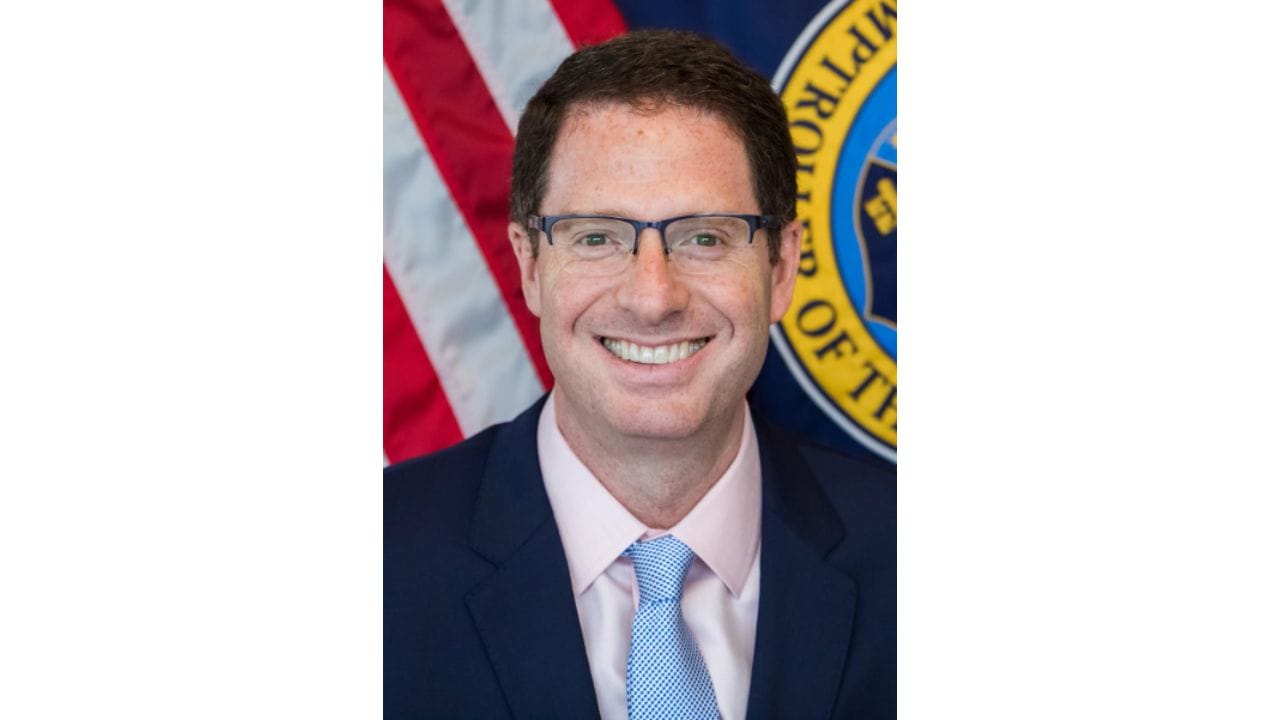
Legendary macro hedge-fund manager Stan Druckenmiller publicly disclosed a “significant” Bitcoin position in 2020, viewing it as digital gold. By 2025 his Duquesne Family Office trades CME Bitcoin options around Fed meetings and holds Ethereum for “venture optionality.” Druck shifts narratives on Bloomberg with each rare interview—his March 2025 comment that “tokenized Treasuries will eat Eurodollars” sent RWA tokens soaring 30%. He funds the Druckenmiller Center for Blockchain and Monetary Policy at NYU, where grad fellows model stablecoin velocity impacts on M2.

Brian Brooks

@BrianBrooksUS

76

Brian Brooks served as Acting U.S. Comptroller of the Currency in 2020, green-lighting banks to custody crypto and use stablecoins for payments. After stints as Binance.US CEO and Bitfury board member, he joined Valor Capital in 2023, leading $400 million in Latin-American fintech-crypto investments. Brooks co-chairs the Digital Dollar Project, advocating a two-tier CBDC with privacy “flight to bearer” caps. In 2025 he testified before Congress pushing a national payments charter that would pre-empt state-by-state money-transmitter patchworks.

Erik Voorhees

@ErikVoorhees

77

Erik Voorhees founded ShapeShift in 2014, pioneering no-custody instant swaps. In 2021 he transformed ShapeShift into a DAO, airdropping FOX tokens and open-sourcing the entire codebase, setting a precedent for “de-corporatization.” By 2025 the DAO integrates 13 chains and Thorchain streaming swaps. Voorhees’ eloquent defenses of financial privacy have made him a go-to debater opposite senators on cable news. He organizes the annual “Permissionless Money” retreat in the Rockies, bringing cypherpunks and policymakers to neutral ground.

Dante Disparte

Dante A. Disparte | LinkedIn

78

Dante Disparte is Chief Strategy Officer and Head of Global Policy at Circle, issuer of USDC. A Georgetown-educated risk expert, Disparte previously served on the FEMA National Advisory Council. He testifies to G20 finance ministers on digital-dollar safeguards and chairs the International Standardization Organization’s working group on DLT terminology. In 2025 Disparte co-authored “Project Cedar x Hamilton” papers exploring cross-border CBDC swaps via USDC bridges. He is also founding chairman of the Washington-based Digital Chamber’s Latin-America task force, advocating dollar-denominated stablecoins to combat regional inflation.

Caroline Pham

Caroline D. Pham | LinkedIn

79

CFTC Commissioner Caroline D. Pham, a Vietnamese-American lawyer, spearheads the agency’s “LabCFTC 2.0,” nurturing sandboxes for commodities-based DeFi. She co-chaired the IOSCO crypto-assets task force that released the 2025 Global Stablecoin Standards. Pham’s minority-rights heritage informs her push for on-chain transparency as a civil-rights tool; she cites blockchain auditability in speeches at Howard University. She hosted the first ever on-chain comment period, accepting DAO-signed statements via Ethereum ENS signatures, modernizing rule-making for the digital age.

Emin Gün Sirer

@el33th4xor

80

Cornell computer-science professor Emin Gün Sirer co-founded Avalanche and its consensus protocol, inspired by gossip networks. Avalanche sub-nets now host enterprise gaming chains for Ubisoft and tokenized-equity platforms like Republic. In 2025 Sirer launched Firewood, a new data-structure slashing storage costs 90%, and spearheaded Avalanche’s partnership with India’s ONDC e-commerce network. A vocal critic of “one-chain-rules-all” maximalism, Sirer maintains the IC3 research group, mentoring Ph.D.s on MEV-resistant protocol design. He also curates the Istanbul Blockchain Week, bridging academia and Anatolian startups.

Dominik Schiener

@DomSchiener

81

Dominik Schiener is the German co-founder and chairman of the IOTA Foundation. Motivated by a childhood car accident that revealed supply-chain opacity, he wrote IOTA’s “Tangle” white paper at 19, proposing a feeless directed-acyclic-graph ledger for machine-to-machine micropayments. After bringing Jaguar Land Rover and Bosch into early pilots, Schiener relocated the foundation to Berlin, steering a 2018 memorandum with the city of Taipei for digital identity cards. Between 2022-24 he supervised IOTA’s Coordicide roadmap, decentralizing the coordinator node that critics had long decried. In 2025 the EU’s EBSI sandbox selected IOTA to timestamp customs declarations, and Schiener announced a $100 million ecosystem fund for climate-data oracles. Fluent in Italian, German, and English, he also mentors at the Helix Accelerator in Abu Dhabi and sponsors “Tech4Peace,” a Ukrainian youth-coder program.

Katie Haun

@katie_haun

82

Kathryn “Katie” Haun is the former federal prosecutor who pivoted from leading the Silk Road and Mt. Gox task forces to co-founding Andreessen Horowitz’s crypto arm in 2018. In 2022 she launched Haun Ventures, closing a $1.5 billion dual-fund vehicle that backs privacy infrastructure, on-chain governance, and compliance tooling. By mid-2025 her portfolio—EigenLayer, Privy, and Espresso—collectively exceeded $25 billion in fully-diluted value. Haun sits on Coinbase’s board and the Council on Foreign Relations’ FinTech committee, arguing that adversarial regulation simply pushes innovation offshore. A Stanford Law lecturer, she created the first U.S. law-school course taught partly on-chain, issuing NFT diplomas with revocable keys for disciplinary actions.

Ari Paul

@AriDavidPaul

83

Ari Paul, CIO of BlockTower Capital, left the University of Chicago endowment in 2017 to deploy hedge-fund risk analytics to crypto. BlockTower’s flagship market-neutral fund has never posted a down year, exploiting funding-rate arbitrage and volatility-skew trades. Paul’s 2023 “Fire Insurance” essay introduced the notion of purchasing tail-risk conviction calls on protocol governance failures—now standard practice among treasuries. In 2025 he launched an RWA credit fund that tokenizes factoring invoices for Latin-American exporters, bridging them to DeFi lenders at 11% yields. Paul tweets real-time macro correlations, and his annual “Crypto for Institutions” boot camp trains CFA charter-holders on on-chain due diligence.

Laura Shin

@laurashin

84

Laura Shin, a former Forbes senior editor, became crypto’s authoritative storyteller through her “Unchained” and “Unconfirmed” podcasts, amassing 35 million downloads. Her 2022 bestseller “The Cryptopians” chronicled Ethereum’s messy birth and DAO hack fallout, later optioned by HBO. In 2024 she launched “Unchained Pro,” a subscription data-journalism portal cross-linking courtroom documents with wallet flows. Shin’s 2025 investigation tracing the $625 million Ronin hack to state-sponsored Lazarus actors earned a Polk Award citation. She moderates most major conference keynotes and teaches Columbia Journalism School’s first blockchain-forensics module.
Jameson Lopp is co-founder of Casa, the multisig custody firm protecting famously “un-confiscatable” Bitcoin hardware; no Casa user has ever reported a total-loss breach. After starting as BitGo’s lead engineer, Lopp survived a 2017 swatting attack, prompting him to publish the “Extreme Privacy” playbook followed by many high-net-worth hodlers. He maintains Statoshi.info, a full-node analytics site tracking Bitcoin consensus health, and runs annual “proof-of-life” drills that publicly verify his key-shard availability. In 2025 he open-sourced Hermit, a stateless PSBT signing tool that fits on a Raspberry Pi Zero.

Tim Draper

@TimDraper

86

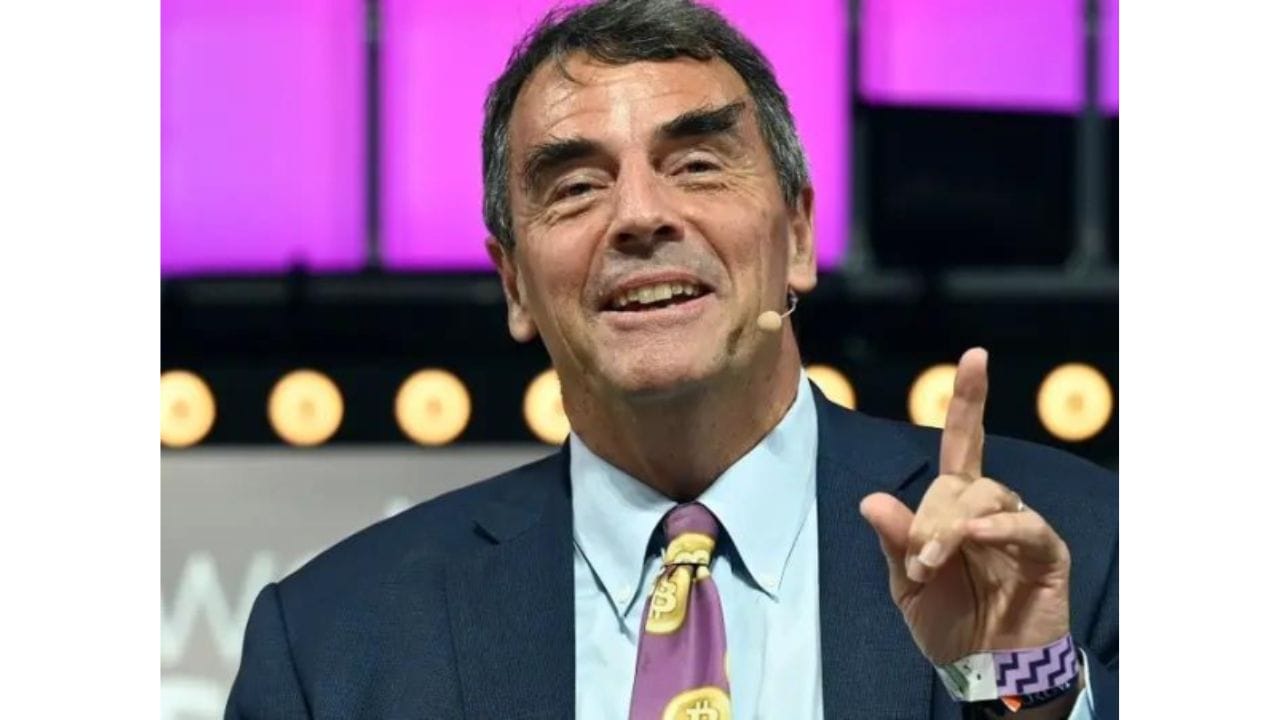
Tim Draper, third-generation venture capitalist and founder of Draper Associates, purchased 29,656 Bitcoin from the U.S. Marshals’ Silk Road auction in 2014—worth $1.7 billion by 2025. Draper backs infrastructure plays like Ledger, Aragon, and Tezos, and funds public-relations blitzes pushing Bitcoin adoption in Argentina and Sri Lanka. His 2025 TED Talk predicted nation-state treasuries would hold 10% Bitcoin by 2030. Draper University’s “Hero House” accelerator graduated 150 Web3 founders this year, each receiving a SAT-style aptitude NFT attesting to completion.

87

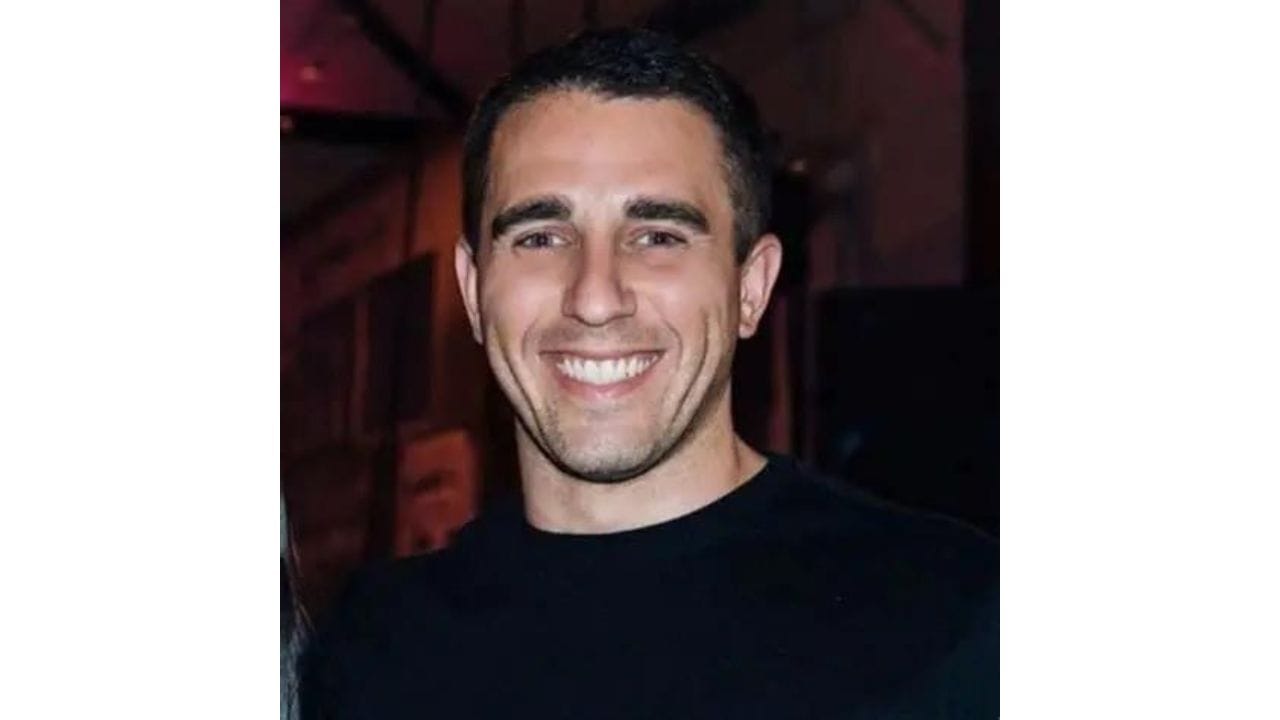
Anthony “Pomp” Pompliano, a former U.S. Army sergeant and Facebook growth PM, co-founded Morgan Creek Digital in 2018 and now manages $700 million across Bitcoin and venture equity. His daily “Pomp Letter” reaches 200,000 investors, blending macro, mining-economics, and entrepreneur interviews. In 2025 he opened Pomp Pizza in Brooklyn, an IRL shop that mines Bitcoin in the basement and tracks energy usage on-chain—a marketing masterstroke covered by Bloomberg. He teaches an online course, “Bitcoin for Business,” with 5,000 SMB graduates integrating Lightning payments.

Nick Szabo

Profile / X

88

Nick Szabo, the cryptographer who coined “smart contracts” in 1994 and designed Bit Gold, remains a low-profile oracle of Bitcoin ethos. Though often rumored to be Satoshi, Szabo neither confirms nor denies. His 2024 paper on “Social Scalability of Tokenized Law” contrasted code-enforced property rights with legal bureaucracy, influencing Wyoming’s 2025 Decentralized Trust Act. Szabo keynotes rarely but curates “Unenumerated,” a blog dissecting medieval monetary history through a crypto lens. The Szabo Fellowship at UT Austin now funds doctoral research on formal methods for contract security.

Vinny Lingham

Vinny Lingham | LinkedIn

89

South-African entrepreneur Vinny Lingham created Gyft, sold it to First Data, then founded Civic, an identity-verification platform leveraging zero-knowledge proofs. Nicknamed “Bitcoin Oracle” after prescient price calls on CNBC, Lingham launched Waitroom in 2024, a token-gated video conferencing tool that pays hosts in stablecoins. He sits on Solana Foundation’s grants council and bankrolls Cape Town’s Silicon Cape accelerator, where 30% of startups now integrate Lightning remittances for township commerce. Lingham’s “Ubuntu Token” concept—tying social-credit staking to micro-lending—underpins an IFC pilot in Kenya.

Evan Cheng

Evan Cheng | LinkedIn

90

Evan Cheng, Apple’s former LLVM compiler chief, co-founded Mysten Labs to build Sui, a Move-language L1 optimized for parallel transaction execution. Raised in Singapore, Cheng led Facebook’s crypto R&D before the Diem project shuttered. Sui’s 2025 “Pilotfish” upgrade achieved 297,000 TPS in public testing, onboarding Alibaba’s e-commerce loyalty points. Cheng’s start-up also licenses middleware for zk-powered game engines, attracting Ubisoft’s Rabbids franchise. An IEEE Fellow, he sponsors scholarships for Southeast-Asian systems-programming students.

Sergio Demian Lerner

Sergio Demian Lerner | LinkedIn

91

Argentine security researcher Sergio Demian Lerner identified the “Patoshi pattern,” estimating Satoshi’s one-million-Bitcoin stash. Co-founder of Rootstock (RSK), he brought EVM smart contracts to Bitcoin via merged-mining and introduced Powpeg, a one-way peg with HSM-guarded keys. Lerner’s 2025 zero-knowledge redesign for Powpeg reduces confirmation time from 100 to 12 blocks, igniting renewed Bitcoin DeFi optimism. He directs Koibanx Labs in Buenos Aires, securing Argentine CBDC pilots.

Muneeb Ali

Profile / X

92

Muneeb Ali, hailing from Pakistan and Princeton-trained, co-founded Blockstack (now Stacks), which brings smart contracts and NFTs to Bitcoin via a separate consensus layer anchored every 24 blocks. After launching the Nakamoto upgrade, Ali introduced sBTC, enabling fast Bitcoin withdrawals. By 2025 Stacks secured $2 billion in TVL and a CityCoins program funding public Wi-Fi in Miami. Ali’s Trust Machines start-up raised $150 million to build Bitcoin-native DeFi apps and hire displaced Afghan developers.

Amber Baldet

@AmberBaldet

93

Amber Baldet led JPMorgan’s Quorum blockchain before co-founding Clovyr, an “app store” for privacy-first Web3 tooling. A DEF CON speaker with pink hair and a penchant for cypherpunk stickers, Baldet chairs the Zcash Foundation’s advisory board. Her 2025 initiative, Chrysalis, offers pluggable MPC wallets letting NGOs disburse aid discreetly in conflict zones. She co-wrote the Enterprise Ethereum Alliance’s token taxonomy and mentors girls in STEM via the Girl Scouts’ cybersecurity badge program.

Linda Xie

Profile / X

94

Linda Xie, ex-Coinbase product manager, co-founded Scalar Capital, a thesis-driven fund emphasizing privacy and creator economies. She sits on the boards of 0x and Filecoin Foundation, advocating open-file storage as a human right. Xie’s 2025 “Soul-Bound Community Tokens” paper proposes quadratic voting for fandom governance, piloted by K-Pop agency HYBE on Polygon. Her Medium tutorials on DAO treasury diversification are canonical reading for community managers.

95

Belgian coder Pieter Wuille is a Bitcoin Core maintainer and co-founder of Blockstream. He authored BIP-32 (Hierarchical Deterministic wallets), BIP-341 (Taproot), and miniscript, a safe subset of Bitcoin Script now used in Lightning and Fedimint. In 2025 Wuille unveiled “Traceless Taproot,” a Schnorr tweak allowing spend-condition obfuscation without changing script paths, sparking rigorous peer review. He teaches cryptography at Zurich’s ETH and runs the “Breaking Bitcoin” workshop series.

Galia Benartzi

Profile / X

96

Galia Benartzi co-created Bancor, the automated market-maker concept predating Uniswap. A polyglot (Hebrew, French, Spanish), she leads Global Bancor DAO, which burned its supply in 2024 to align LP incentives. Benartzi’s 2025 “Carbon AMM” turns surplus liquidity into tokenized rainforest offsets verified by satellite LIDAR. She speaks at the UN Climate Week and co-founded Lev, a coding boot camp for Middle-Eastern and North-African women.

Brendan Blumer

@BrendanBlumer

97

Brendan Blumer is CEO of Block.one, the company behind EOS, and an angel investor in tokenized real estate since age 15. After raising a record $4 billion ICO, Block.one deployed cash into Bullish Exchange, which launched on the Gibraltar Stock Exchange in 2023. In 2025 Blumer rolled out EOS EVM, bridging liquidity from Ethereum, and pledged $250 million for venture grants judged by quadratic-funding votes. A nomad who’s lived in Hong Kong and Belize, he backs coral-reef restoration via NFTs whose metadata tracks reef-health sensor data.

Mike Belshe

@mikebelshe

98

Mike Belshe, a co-inventor of Google’s SPDY protocol (precursor to HTTP/2), co-founded BitGo, the first multi-sig Bitcoin custody platform used by 600 exchanges and funds. In 2024 he pivoted BitGo into a South-Dakota-chartered trust company, winning 10 spot-ETF sub-custody mandates by 2025. Belshe champions HSM-backed key co-signing and authored the “Wallet Recovery Extension,” now an ISO standard. He funds FIDO2 authentication research to kill passwords and sits on the Linux Foundation’s Confidential Computing Council.

Matthew Roszak

@MatthewRoszak

99

Matthew Roszak, chairman of Bloq, evangelizes enterprise blockchain. A self-declared “OG” who gifted Bitcoin to Richard Branson in 2014, Roszak co-founded Vesper, an automated DeFi yield platform, and managed Metronome, one of the first cross-chain tokens. His 2025 initiative, Azteco-US, pilots voucher-based BTC remittances at 2,000 Mexican Oxxo stores, slashing migrant-worker fees 60%. He endows Chicago’s FinTank conference and led the Illinois Blockchain Task Force, drafting the 2025 Digital Asset Business Act.

Jack Dorsey

100

Jack Dorsey, co-founder of Twitter and Block (formerly Square), shifted wholly to Bitcoin evangelism after stepping down as Twitter CEO in 2021. Through Block’s TBD division he pursues Web5—combining decentralized identifiers and Bitcoin’s Lightning Network for self-sovereign apps. Cash App’s 55 million users can now auto-convert paychecks into BTC and send Lightning tips via @handles. In 2025 Dorsey committed $50 million to build solar-powered mining in Rwanda with Blockstream, publishing open hardware-design blueprints. He funds the Bitcoin Legal Defense Fund and often jams blues guitar at grassroots Lightning meetups, epitomizing his mantra: “verify, don’t trust—also, have fun.”

Search

Generic selectors
Exact matches only
Search in title
Search in content
Post Type Selectors

News: