Bitcoin mining difficulty reached an all-time high of 142.3 trillion, signaling increased competition.
The network hashrate also set a new record, exceeding 1.1 trillion hashes per second.
Rising difficulty and energy costs are squeezing out small and mid-sized Bitcoin miners.
Governments and energy companies with access to surplus or free energy are entering the mining space, intensifying centralization fears.
Innovative models, like those used in Texas, show how Bitcoin mining can benefit energy infrastructure—but may leave traditional miners at a disadvantage.
On Friday, Bitcoin mining difficulty surged to a record-breaking 142.3 trillion, according to blockchain analytics platform CryptoQuant.
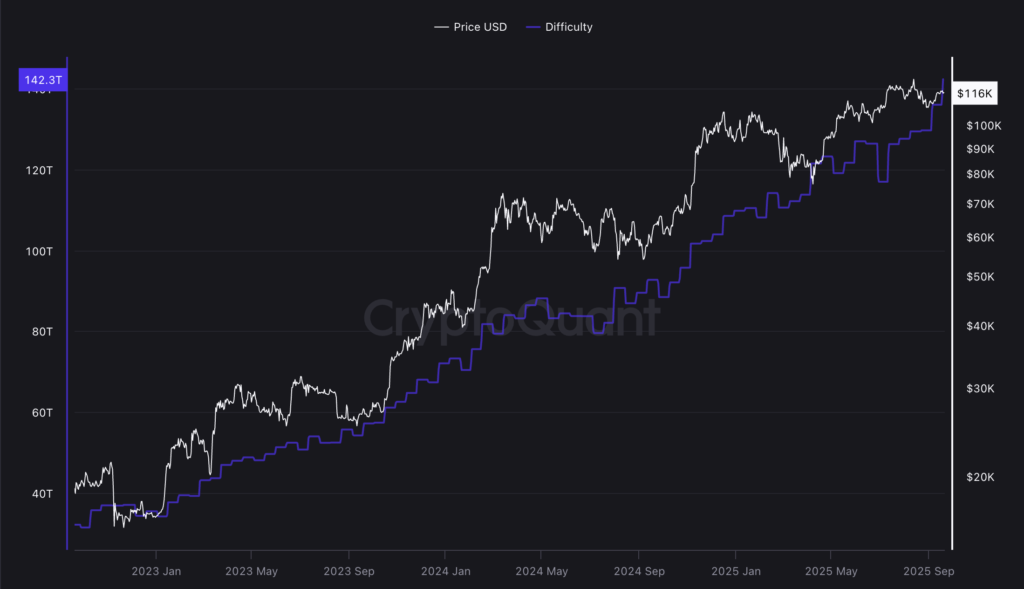
Bitcoin Network Difficulty Reached A New ATH In September
Source: CryptoQuant
This metric, which gauges how hard it is for a Bitcoin miner to add a new block to the blockchain, has been on a steady rise through August and September.
In tandem with the difficulty spike, Bitcoin’s total network hashrate, a measure of the total computational power securing the network, also hit an all-time high of over 1.1 trillion hashes per second.
These developments indicate a massive influx of computing resources into the network. However, the rising bar to entry is leaving many smaller and mid-sized miners behind, putting the spotlight back on centralization risks within the Bitcoin ecosystem.
The increase in mining difficulty translates directly into higher operational demands. Bitcoin miners must now deploy more powerful, energy-hungry rigs just to remain competitive.
For smaller mining operations and even some publicly traded companies, the rising costs of electricity and hardware are becoming unsustainable.
What’s more alarming for individual Bitcoin miners is the growing participation of governments and energy infrastructure providers.
Unlike traditional miners, these entities often have access to subsidized or surplus energy, drastically reducing their costs and offering a significant competitive edge.
Bhutan
In May 2025, Pakistan announced its intent to allocate 2,000 megawatts (MW) of surplus energy specifically for Bitcoin mining, marking a strategic shift toward digital asset adoption.
In the U.S., particularly in Texas, energy companies are beginning to integrate Bitcoin mining directly into their infrastructure. This collaboration with the Electric Reliability Council of Texas (ERCOT) allows miners to act as “controllable load resources.”
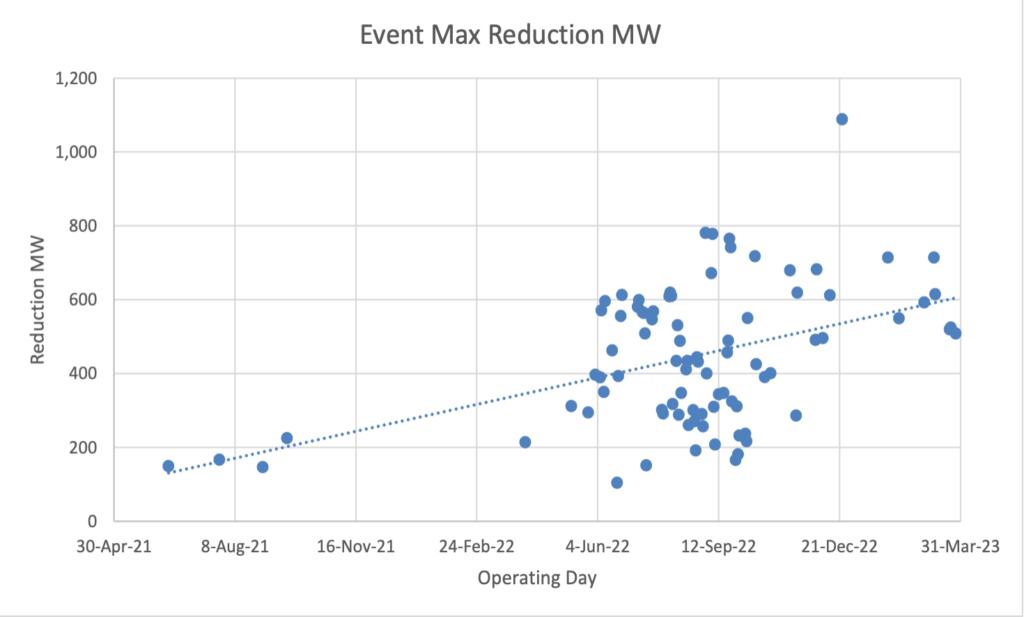
A Chart Showing The Reduction In Energy Usage Of Crypto Miners In Texas During Times Of Peak Demand From 2021-2023
Source: ERCOT
During periods of low consumer demand, energy companies direct surplus power to Bitcoin mining operations.
When consumer demand spikes, miners shut down operations, alleviating stress on the grid.
This model not only stabilizes the electrical grid but also enables energy companies to monetize surplus electricity efficiently, without the risk of fluctuating energy prices, a luxury that traditional Bitcoin miners do not enjoy.
As the playing field continues to shift, the role and sustainability of the independent Bitcoin miner are being called into question. With centralized players, both governmental and corporate, gaining dominance, the very ethos of decentralized Bitcoin mining could be under threat.
Still, innovation in mining technology, alternative energy sourcing, and community-driven mining pools may offer hope for smaller players trying to stay relevant.
Bitcoin mining difficulty is a measure of how hard it is for a miner to find a valid hash for a new block. The higher the difficulty, the more computational power is required.
Centralization is growing because entities like governments and large corporations can access cheap or free energy and invest in massive mining infrastructure, which small-scale miners can’t afford.
Yes, but it’s increasingly difficult. Profitability depends on electricity costs, mining hardware efficiency, and participation in mining pools.
Energy companies, especially in Texas, use Bitcoin mining as a way to stabilize the grid by absorbing surplus power and shutting down during high-demand periods.