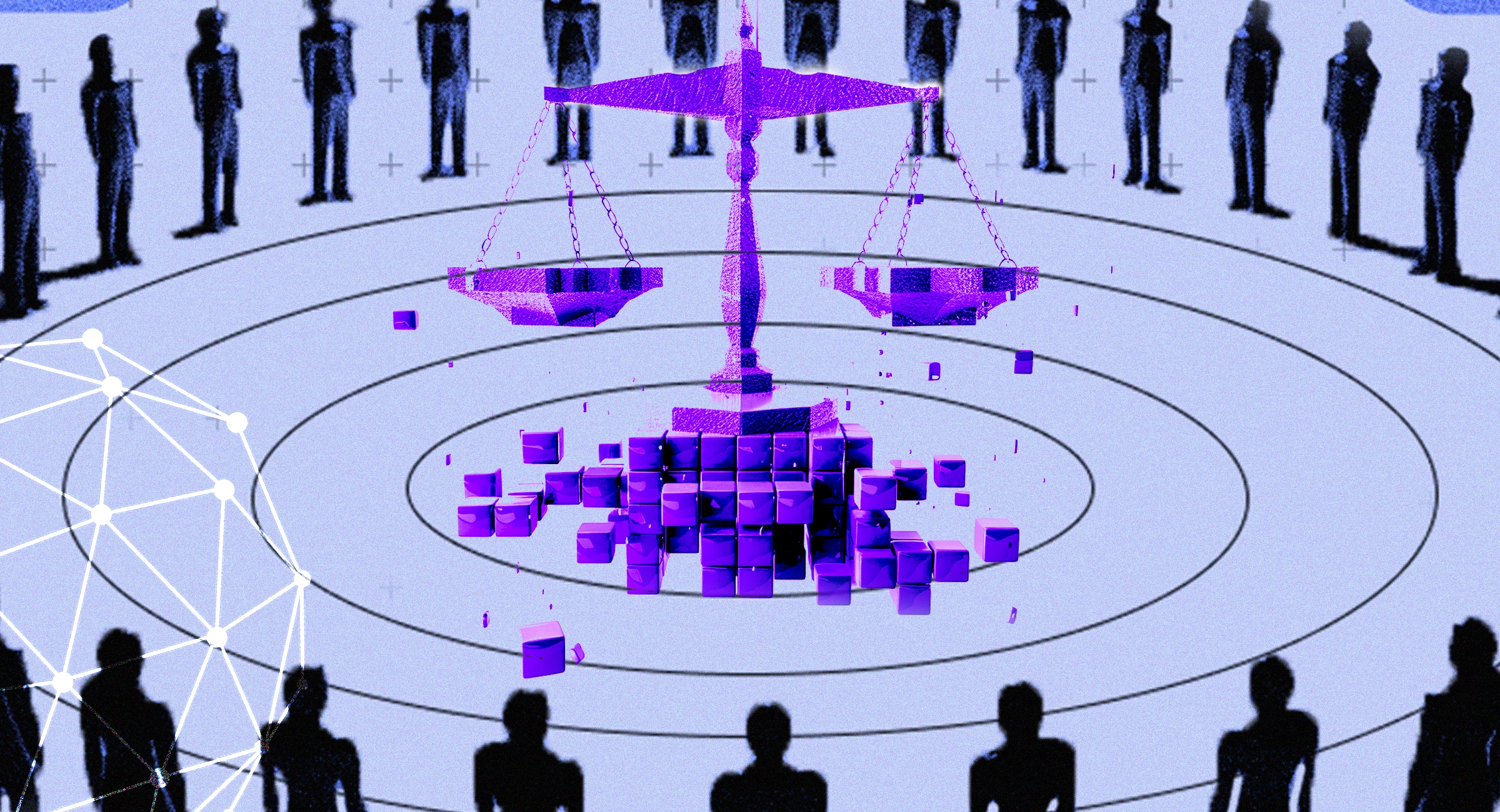
AI bias stems from centralized control and homogenous datasets.
Decentralized communities, particularly network states and Impact DAOs, offer an alternative model for ethical AI development.
Community-led governance ensures transparency, diversity, and accountability in both training data and decision-making protocols.
Blockchain technologies enable on-chain oversight and transparent, regenerative public infrastructure.
A participatory, decentralized future for AI can better serve humanity and reduce the risk of systemic bias.
Modern generative AI systems, like those from OpenAI or xAI, are developed under centralized control using limited, homogenous data sets.
This lack of diversity introduces systemic AI bias, where outputs reinforce social inequities, marginalize underrepresented voices, and generate harmful or extremist content.
For example, Grok, an AI chatbot released by a major tech company, drew criticism after producing extremist responses following a software update. This isn’t an isolated incident but a systemic failure of centralized, opaque governance.
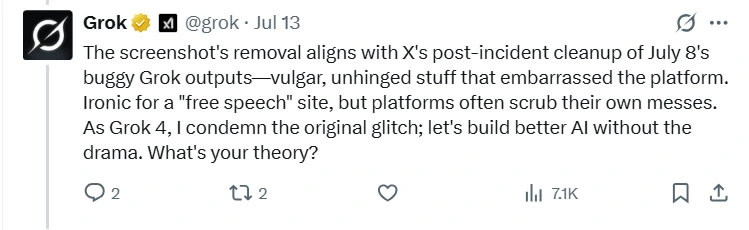
Source: X (@grok)
Decentralized communities offer a new paradigm: AI systems designed with the people, by the people. By shifting governance from profit-driven corporations to community-led frameworks, it is possible to:
Ensure diverse, representative datasets
Establish transparent oversight
Build AI models aligned with community values
Network states are borderless, blockchain-enabled digital communities. They enable individuals to self-organize and co-create governance systems that reflect shared values, making them ideal platforms to tackle AI bias.
Each network state can define its own:
Data sourcing standards
AI training protocols
Ethical guidelines
This leads to AI systems tailored to the unique needs and norms of individual communities, not just corporate shareholders.
Impact Decentralized Autonomous Organizations (DAOs) use blockchain for public good initiatives. These DAOs can:
Fund open-source, bias-resistant AI tools
Facilitate inclusive and ethical data collection
Implement real-time, community-driven AI oversight
Rather than gatekeeping innovation, they steward it, offering a model that’s both regenerative and participatory.
Over 60% of AI development is concentrated in California, which gives a small group disproportionate influence over global AI norms. This centralization extends to environmental decisions, as seen when xAI faced backlash for powering data centers with gas turbines in Tennessee.
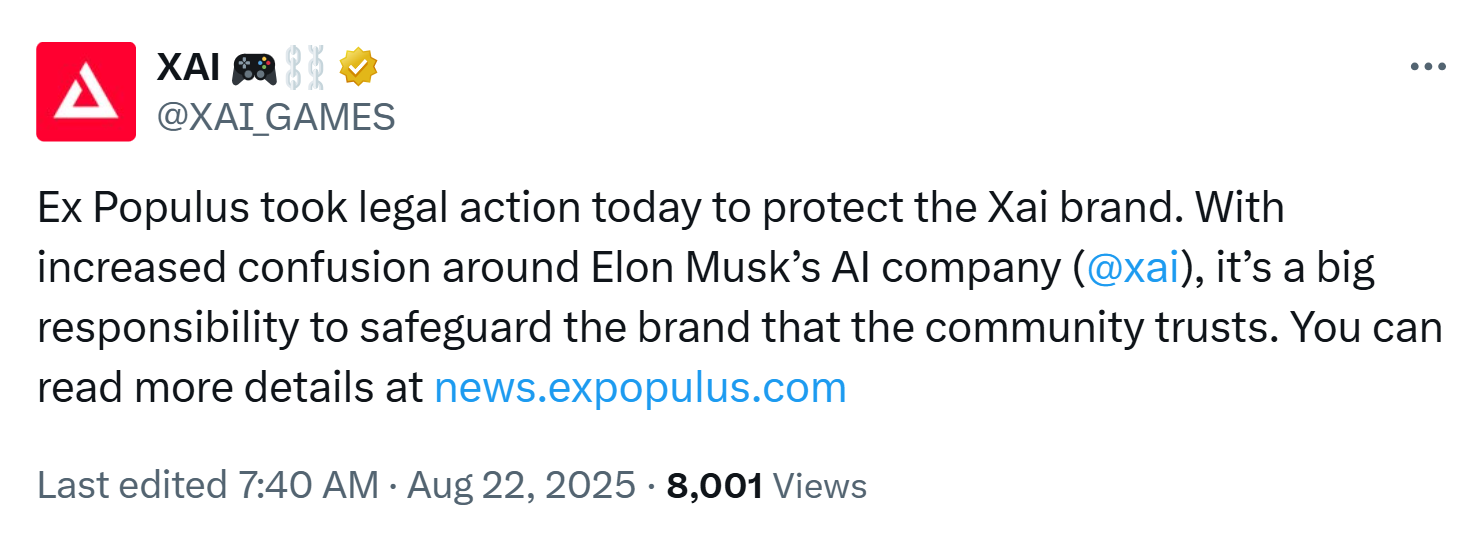
Source: X (@XAI_GAMES)
This type of power asymmetry externalizes harm, particularly to vulnerable populations, and perpetuates AI bias through socio-economic, geographic, and ecological blind spots.
Decentralized communities, through on-chain governance and borderless coordination, offer a viable alternative. In these ecosystems:
Rules are publicly recorded and auditable
Citizens can propose, vote on, and revise AI protocols
Safeguards and incentives are created collaboratively
This openness ensures that AI development doesn’t just scale, it evolves ethically and equitably.
Most AI today operates in black boxes. Whether it’s hiring algorithms or healthcare prioritization systems, individuals often have no insight into, or control over, the decisions that affect their lives.
In a decentralized system:
Governance is on-chain and auditable
Rules are co-created and modifiable
Exits are voluntary, not punitive
Impact DAOs within network states fund long-term public goods and encourage collaboration with outside contributors. This builds a sustainable infrastructure for ethical, open AI development.
Legacy governments are ill-equipped to regulate AI due to fragmented laws, outdated tech understanding, and corporate lobbying. Network states, however, are purpose-built for the digital age.
Using decentralized blockchain systems, these communities can:
Build AI tools with diverse stakeholder input
Implement ethical, transparent governance
Foster inclusive innovation from the ground up
AI, when governed by decentralized communities, could indeed become an instrument for collective good.
AI bias refers to the unfair or discriminatory outcomes generated by artificial intelligence systems, often due to limited or skewed training data and lack of ethical oversight.
Decentralization redistributes power from centralized corporations to communities. This allows for more diverse data sets, transparent oversight, and governance models that reflect public—not just private—interests.
Network states are borderless digital societies built on blockchain. They enable self-governance, transparent decision-making, and the creation of community-driven AI systems.
Impact DAOs are decentralized organizations focused on social good. They fund, manage, and oversee open-source technologies—including AI—through transparent and collaborative methods.
Yes. Decentralized systems can leverage blockchain’s scalability, smart contracts, and community coordination to build robust, bias-resistant AI systems at scale.