L1 blockchain platforms are shifting from neutral infrastructure to strategic assets.
Corporations like Stripe and Coinbase are launching purpose-built L1s to gain control over settlement, compliance, and distribution.
The blockchain world is splitting into permissionless, permissioned, and hybrid ecosystems.
Crypto-native builders still hold the edge in innovation, composability, and cultural alignment.
Understanding the strengths and weaknesses of each L1 model is key for traders, builders, and investors.
For years, the Layer 1 conversation centered around trade-offs:
Ethereum: The king of composability with a vast developer ecosystem.
Solana: Known for speed and performance.
Cosmos: Ideal for sovereignty and modularity.
Previously, choosing an L1 blockchain platform was a tactical decision, much like selecting a trading venue based on liquidity, fees, and latency.
Today, it’s a strategic move, especially for major corporations as they shift away from Layer 0 platforms.
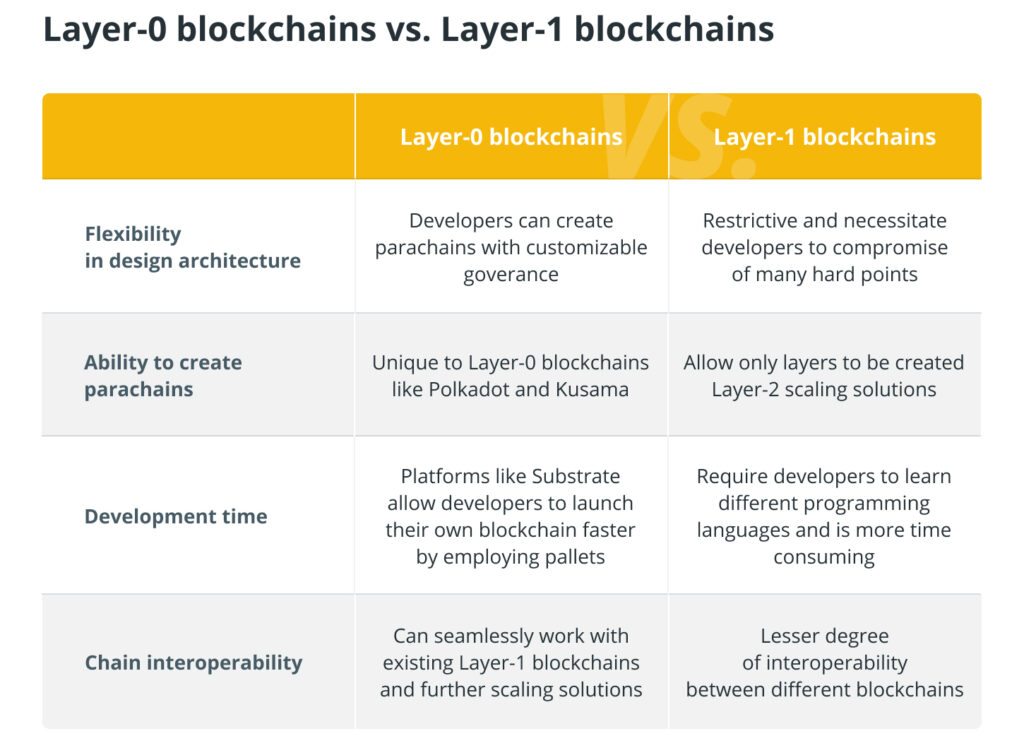
Source: CoinTelegraph
Stripe recently announced Tempo, a payments-focused L1 blockchain platform developed in partnership with Paradigm. This is an infrastructure play rooted in decades of payment processing experience.
As to why this matters, Tempo isn’t about decentralization. It’s about control, over fees, uptime, and settlement predictability.
In traditional finance, the most value lies in the rails, settlement, custody, and clearing. Stripe is bringing that philosophy to crypto, creating a chain optimized for enterprise use, not public experimentation.
We’re now witnessing a clear split in the blockchain ecosystem:
Fully decentralized and censorship-resistant.
Ideal for innovation and experimentation.
Examples: Bitcoin, early Ethereum, privacy-focused chains.
Aligned with custodians and regulators.
Built to scale institutional adoption.
Examples: Coinbase’s Base, Binance’s BNB Chain, Stripe’s Tempo.
Balancing decentralization with institutional comfort.
Positioned where crypto-native and traditional finance interests converge.
This middle ground may become the most competitive and innovative arena in the years ahead.
Startups and crypto-native founders simply can’t compete with corporations like Stripe or Coinbase when it comes to:
Licensing
Compliance
Merchant distribution
Regulatory access
An API integration with Stripe could onboard millions overnight. No startup can replicate that kind of distribution muscle.

Stripe Cofounders, CEO Patrick Collison & President John Collison, Talk About The Company’s Blockchain-Based Future
Source: Fortune
Permissionless L1 blockchain platforms still hold several competitive advantages:
Builders can plug into open protocols without permission.
New DeFi primitives can be shipped without legal red tape.
Flexible experimentation with governance models, token designs, and incentive structures.
Ethereum has values.
Bitcoin has a mission.
These resonate with communities in ways corporate chains rarely do.
By focusing on what corporations won’t or can’t prioritize, like privacy, speed of innovation, or radical transparency, permissionless chains can carve out defensible niches.
Corporate L1s like Tempo may offer predictable, low-risk flows, ideal for yield-capture strategies.
Permissionless L1s remain volatile, but also offer asymmetric opportunities.
In corporate chains, risks are regulatory and policy-driven. A compliance update could tank yields. In open ecosystems, risks are technical and market-based, but more transparent.
This isn’t a zero-sum game.
Corporate L1s will handle compliant, high-volume use cases.
Permissionless chains will continue to push the boundaries, enabling innovation at the edge.
Success in this evolving landscape depends on understanding how value migrates between ecosystems, and how strategic control of base-layer infrastructure determines long-term margins.
L1 blockchain platforms are base-layer protocols like Ethereum, Solana, or Bitcoin, on which decentralized applications (dApps) and smart contracts are directly built and executed. They form the foundational infrastructure of the blockchain ecosystem.
Companies like Stripe and Coinbase are developing their own L1s to gain control over core infrastructure—allowing for optimized fees, compliance, and merchant onboarding. These L1s act as strategic moats rather than neutral platforms.
Not necessarily. While corporate L1s dominate in compliance and scale, permissionless chains still lead in innovation and flexibility. The two models serve different market needs and will likely coexist.
Projects like Avalanche, Near, and Polkadot are exploring hybrid models, offering open ecosystems with institutional-friendly features.

 Skip to content