In a recent appearance on the podcast This Past Weekend hosted by Theo Von, Altman revealed that any private or personal information shared with ChatGPT could be subpoenaed and used as evidence in legal cases.
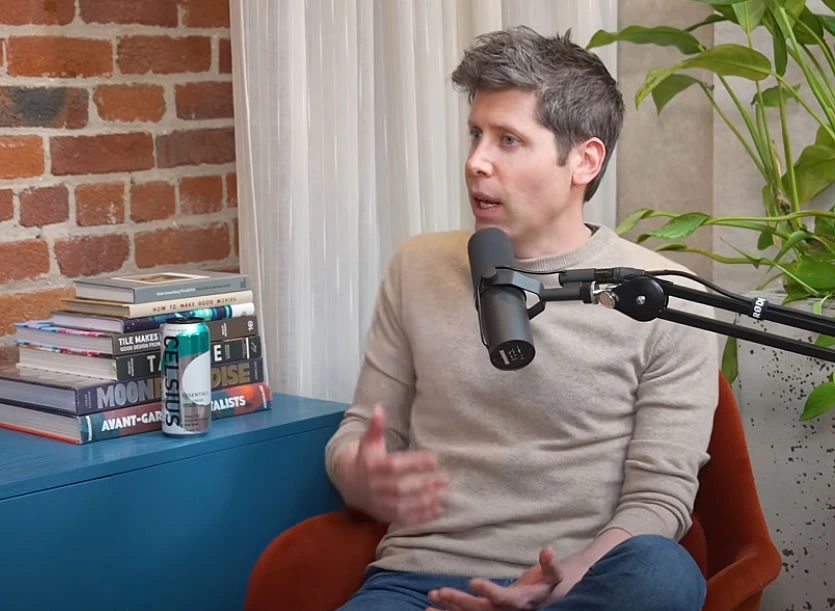
Sam Talking About ChatGPT During The Podcast
Source: YouTube
In his words:
“If you talk to a therapist or a lawyer or a doctor about those problems, there’s legal privilege for it… We haven’t figured that out yet for ChatGPT.”
He emphasized that if someone shares sensitive or personal information with ChatGPT, and legal action follows, OpenAI could be legally compelled to produce those chat logs.
With more individuals using ChatGPT for mental health guidance, financial planning, and even medical questions, the potential for exposing sensitive personal data has become more serious.
Altman elaborated:
“We should have the same concept of privacy for AI conversations that we do with a therapist or whatever.”
This gap in data protection not only highlights legal vulnerabilities for users but also showcases the regulatory vacuum around AI use.
At the heart of the issue is the absence of legal privilege protection for AI conversations. When you speak to a licensed therapist, your conversation is protected by laws such as doctor–patient or attorney–client privilege. No such laws currently exist for AI tools.
Altman said:
“That’s one of the reasons I get scared sometimes to use certain AI stuff. Because I don’t know how much personal information I want to put in.”
This uncertainty isn’t limited to users. Even developers like Altman admit they are unsure how far the legal liabilities go, which further complicates AI’s adoption for sensitive applications.
Altman also warned that as AI tools become more widespread, governments could use that as justification for increased surveillance.
He explained:
“I am worried that the more AI in the world we have, the more surveillance the world is going to want.”
While Altman is open to some privacy trade-offs in the interest of collective safety, he expressed concern about government overreach:
“History is that the government takes that way too far, and I’m really nervous about that.”
OpenAI has made some efforts to allow users to turn off chat history or opt out of data training. The company has also asked users to stop inputting pointless prompts such as ‘Hi’ or ‘How are you’ as this wastes a ton of resources.
However, these options do not guarantee full privacy, nor do they ensure legal protection if data is requested through legal channels.
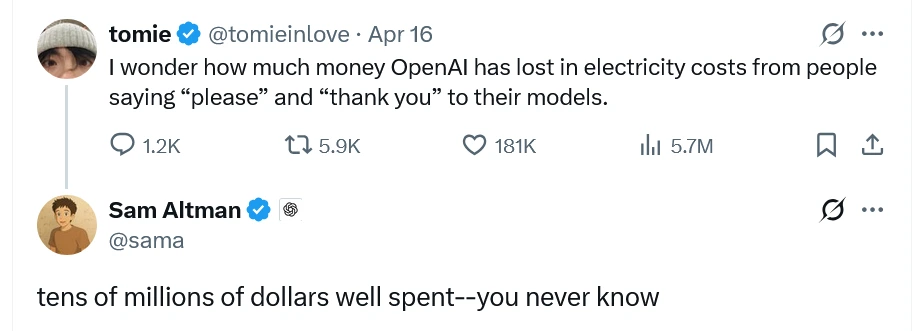
Source: X (@sama)
Until robust policies and legal protections are in place, users are advised to exercise caution and avoid sharing any personally identifiable or legally sensitive information in AI chats.
ChatGPT privacy issues refer to the potential misuse, exposure, or legal vulnerability of personal data shared with the AI. Since conversations are not protected by legal privilege, they could be subpoenaed in court or accessed through government requests.
Yes. According to OpenAI CEO Sam Altman, conversations with ChatGPT are not protected and could be required as evidence in a legal case.
While OpenAI offers options to disable chat history and data training, there is no guarantee of complete privacy. Your data may still be stored or accessed under specific conditions.
It’s best to avoid sharing highly sensitive or personal information, especially anything related to health, finances, or legal matters, until privacy protections are established.
Sam Altman and policymakers recognize the need for privacy frameworks in AI, but as of now, no such protections exist. This may change in the future as AI regulations evolve.