Introduction
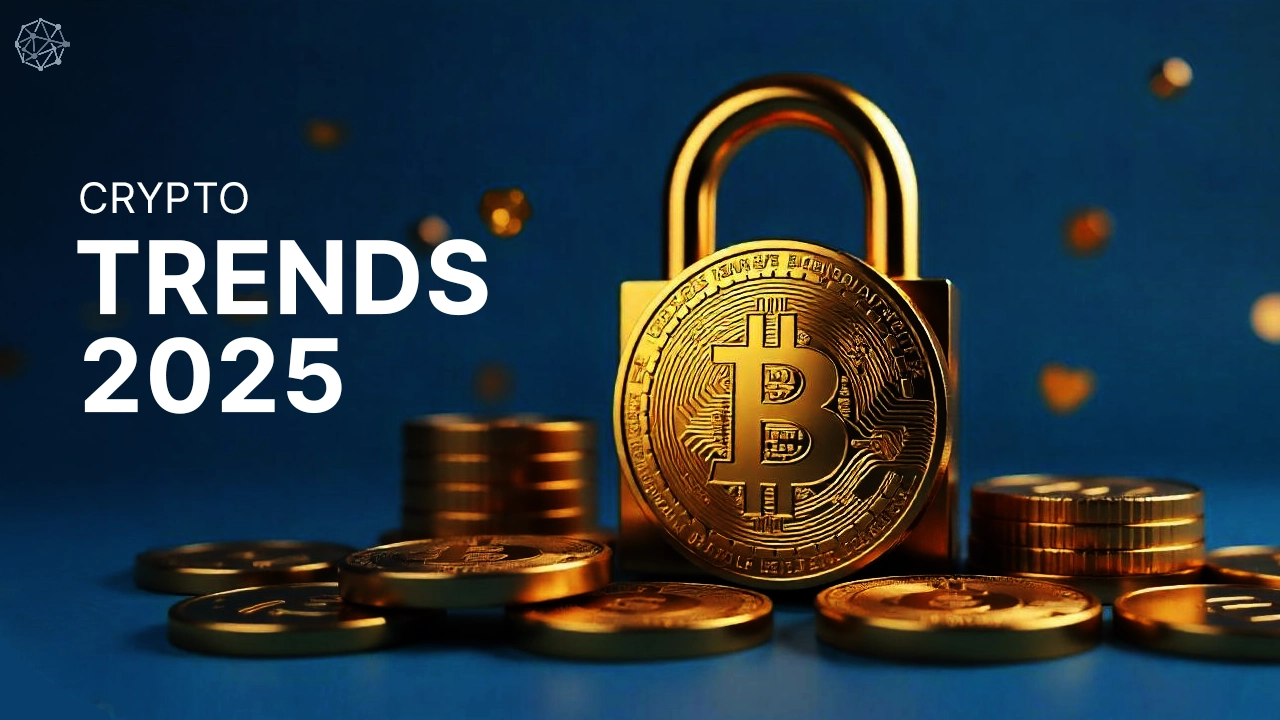
Cryptocurrency has never stood still—and 2025 is shaping up to be a landmark year for digital assets. Whether you’re just getting started or already have skin in the game, understanding where the market is heading can make the difference between smart moves and missed opportunities. The landscape is evolving faster than ever, thanks to game-changing trends like institutional adoption, tokenized real-world assets, AI integration, and major regulatory shifts.
But with all the noise out there, beginners often get overwhelmed. That’s why this guide breaks down the top cryptocurrency trends of 2025 in a clear, approachable way. You’ll get a solid grasp of what’s driving the market, what’s hype versus real progress, and how you can position yourself wisely in this new phase of crypto growth.
Key Takeaways:
- 2025 is seeing major shifts in crypto, driven by ETFs, AI, DeFi, and real-world asset tokenization.
- Regulatory clarity is giving crypto more legitimacy, drawing in large institutions.
- This guide is tailored for beginners, with practical insights and real-world examples.
Table of Contents
ETF Expansion & Institutional Adoption
One of the most pivotal developments propelling cryptocurrency into the mainstream in 2025 is the widespread approval and rollout of spot crypto ETFs (exchange-traded funds). These investment vehicles allow everyday investors to gain exposure to assets like Bitcoin or Ethereum through traditional brokerage accounts—no wallets or private keys needed.
In 2024, spot Bitcoin ETFs were approved in the US and several other markets, opening the floodgates to institutional money. Now, in 2025, the focus is shifting beyond Bitcoin. We’re seeing ETFs for Ethereum, Solana, and even diversified crypto indexes begin to gain traction. This institutional involvement is bringing both credibility and capital to the crypto space like never before.
Why It Matters:
- ETFs lower the barrier for new investors, especially those in traditional finance.
- Institutions like BlackRock, Fidelity, and Grayscale are not only offering ETFs—they’re buying in for their own treasuries.
- More regulatory oversight around ETFs signals growing confidence from governments.
For beginners, ETFs represent one of the safest and simplest entry points into the crypto market. They allow you to participate in the space without needing to manage wallets, exchanges, or worry about self-custody—while still gaining exposure to price movements.
AI + Crypto Convergence
Artificial Intelligence (AI) and blockchain are two of the most transformative technologies of our time—and in 2025, they’re finally starting to converge in meaningful ways. While AI handles tasks that require learning and automation, blockchain ensures data integrity and transparency. Put the two together, and you unlock a powerful toolkit for next-generation apps.
Projects like Fetch.ai, Ocean Protocol, and SingularityNET are using AI to drive decentralized decision-making, automate smart contract operations, and even train machine learning models across distributed networks. At the same time, blockchain helps protect sensitive data that AI systems depend on. It’s a win-win.
For everyday users, this means smarter crypto wallets, AI-powered trading bots, and decentralized platforms that can learn from user behavior without compromising privacy.
Why It Matters:
- AI improves blockchain scalability, user personalization, and predictive trading.
- Blockchain ensures trust and transparency in AI data and decision-making.
- The synergy is spawning a new category of crypto projects with real utility.
Beginner Tip:
If you’re curious about investing in this space, look for tokens backing real-world AI integrations, not just hype. Check project whitepapers, use cases, and community traction.
Decentralized Finance Maturing with TradFi

Back in 2020–2021, Decentralized Finance (DeFi) was the Wild West. Fast forward to 2025, and DeFi is starting to mature—largely by integrating with the traditional financial system, often referred to as TradFi. From tokenized U.S. Treasury funds to regulated stablecoins, we’re now seeing major financial institutions enter the DeFi space, bringing with them a new level of legitimacy and user protection.
Real-world asset (RWA) tokenization is one of the big drivers here. You can now hold a blockchain-based token that represents shares of a money market fund or a slice of real estate. These aren’t just concepts—they’re live and growing.
What’s Changing in 2025:
- DeFi platforms are getting licensed in major jurisdictions.
- Real-world institutions are launching DeFi products with audited reserves.
- New laws (like MiCA in Europe) are making DeFi safer for beginners.
For new investors, this means you can earn yields and participate in lending or liquidity pools without dealing with shady platforms. The bridge between DeFi and TradFi is narrowing, and it’s opening the door for safer and more reliable opportunities.
GameFi, DePIN & DeSci Ecosystems
If you thought blockchain was just about trading coins, think again. In 2025, the crypto space is exploding with new sectors that are reshaping how we game, build infrastructure, and even do science.
GameFi combines gaming with financial incentives. Think “play-to-earn” but evolved—these games now have deeper narratives, sustainable economies, and real investments from major studios. Players can own in-game assets (as NFTs), earn tokens, and trade them freely.
DePIN stands for Decentralized Physical Infrastructure Networks. These are blockchain-powered platforms that allow users to crowdsource services like WiFi (Helium) or map data (Hivemapper). You contribute real-world data or bandwidth, and get rewarded in crypto.
DeSci, or Decentralized Science, is enabling researchers to fund and publish their work without relying on traditional institutions. Blockchain helps ensure transparency, credit for contributions, and global collaboration.
Why It Matters:
- These sectors expand crypto beyond finance into entertainment, infrastructure, and research.
- Each trend has practical utility with growing adoption rates.
- For beginners, they offer entry points into crypto that align with real-world interests.
Beginner Tip:
Explore these ecosystems not just as investments, but as platforms to participate in. Join a GameFi community, contribute to a DePIN network, or support a DeSci project through tokenized research grants.
Tokenization & Real-World Assets
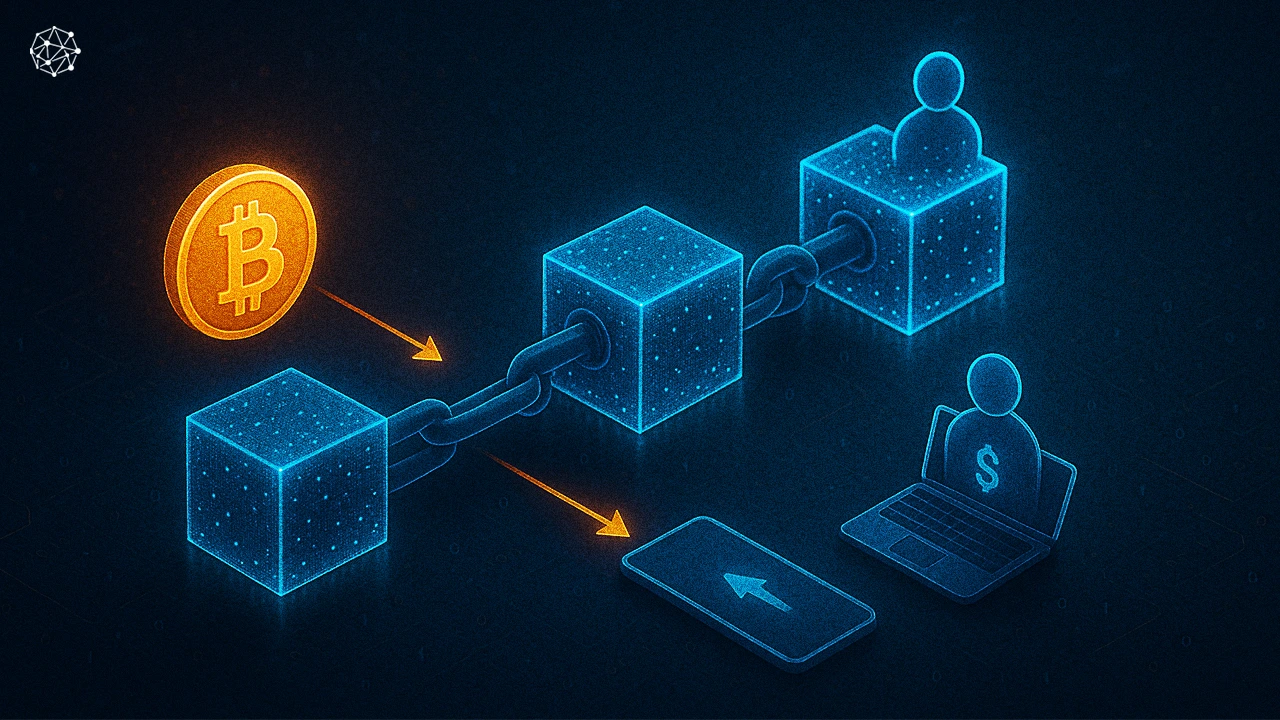
Tokenization is one of the most practical—and powerful—trends in crypto right now. Simply put, tokenization means taking a real-world asset (like a house, gold bar, or stock fund) and representing ownership of it as a digital token on a blockchain. These tokens can be traded 24/7, are highly divisible, and can be programmed with smart contracts.
In 2025, tokenization has gone from theory to reality. Major asset managers like BlackRock and Franklin Templeton are launching tokenized funds. Real estate projects are issuing fractionalized ownership tokens. Even art and collectibles are being traded on-chain with verified authenticity.
What’s Driving This Trend:
- Blockchain makes ownership and trading of real-world assets more efficient.
- Tokenization adds liquidity to traditionally illiquid markets (like real estate).
- Compliance tools are evolving, making institutional adoption easier.
Beginner Tip:
If you’re looking to get involved, start by exploring platforms that offer tokenized treasury funds or real estate. Look for licensed providers with real-world audits and legal protections.
Regulation & Legal Clarity
One of the biggest changes driving crypto adoption in 2025 is regulation—not in a restrictive way, but as a framework that provides clarity, safety, and legitimacy. After years of confusion, countries are now implementing well-defined rules around crypto assets, stablecoins, and DeFi platforms.
The EU’s Markets in Crypto-Assets (MiCA) regulation is already in effect, offering a comprehensive framework for both businesses and consumers. The US is moving forward with clearer tax guidelines and proposals like the Genius Act, focusing on stablecoin oversight. Meanwhile, Asia and the Middle East are emerging as crypto-friendly hubs due to their clear licensing structures.
This shift is encouraging banks, pension funds, and large corporations to finally dip their toes into the crypto waters, knowing there are protections in place.
Why It Matters:
- Regulatory clarity reduces risk for investors and opens doors for institutions.
- Clear frameworks are encouraging innovation in compliant crypto products.
- Beginners now have access to regulated exchanges and platforms, minimizing scams.
Beginner Tip:
Stick with crypto platforms that are licensed in your region. It ensures compliance, adds layers of protection, and gives you legal recourse if anything goes wrong.
Mining Shift & Hardware Decentralization
In previous years, crypto mining was dominated by massive warehouses in China and a few U.S. states. But that landscape is shifting rapidly in 2025. With geopolitical pressure and energy concerns, mining operations are moving toward hardware decentralization and eco-friendly setups.
There’s also a growing emphasis on decentralized mining infrastructure, where smaller, geographically distributed nodes contribute to the network. This not only enhances security but also reduces reliance on any one country or provider. Countries like the U.S., Canada, Kazakhstan, and even parts of Africa are now investing in sustainable, solar-powered mining rigs.
At the same time, proof-of-stake (PoS) networks are gaining ground, where validation doesn’t require energy-intensive computation but rather crypto held (staked) by users.
Why It Matters:
- Decentralization boosts the security and resilience of blockchain networks.
- The move toward green mining aligns with global sustainability goals.
- Beginners can even participate through staking or small-scale mining pools.
Beginner Tip:
Interested in earning passive income? Learn about staking tokens on PoS networks or consider mining-as-a-service platforms that handle the tech for you.
Security Concerns & Crime Trends
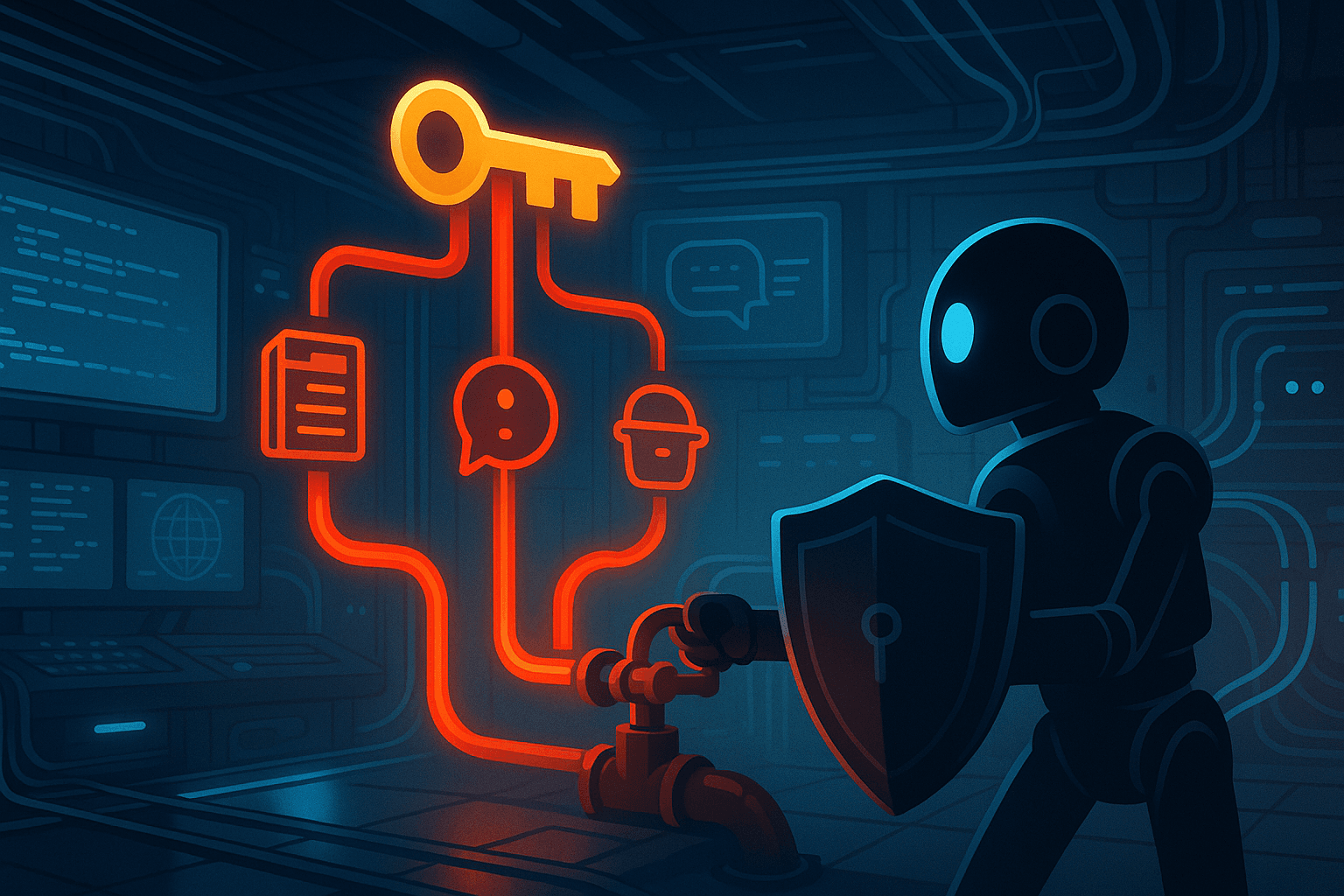
While the crypto industry has matured in many ways, security remains a top concern—and 2025 is no exception. As more money flows into digital assets, bad actors continue to target exchanges, wallets, and DeFi protocols with hacks, phishing scams, and rug pulls.
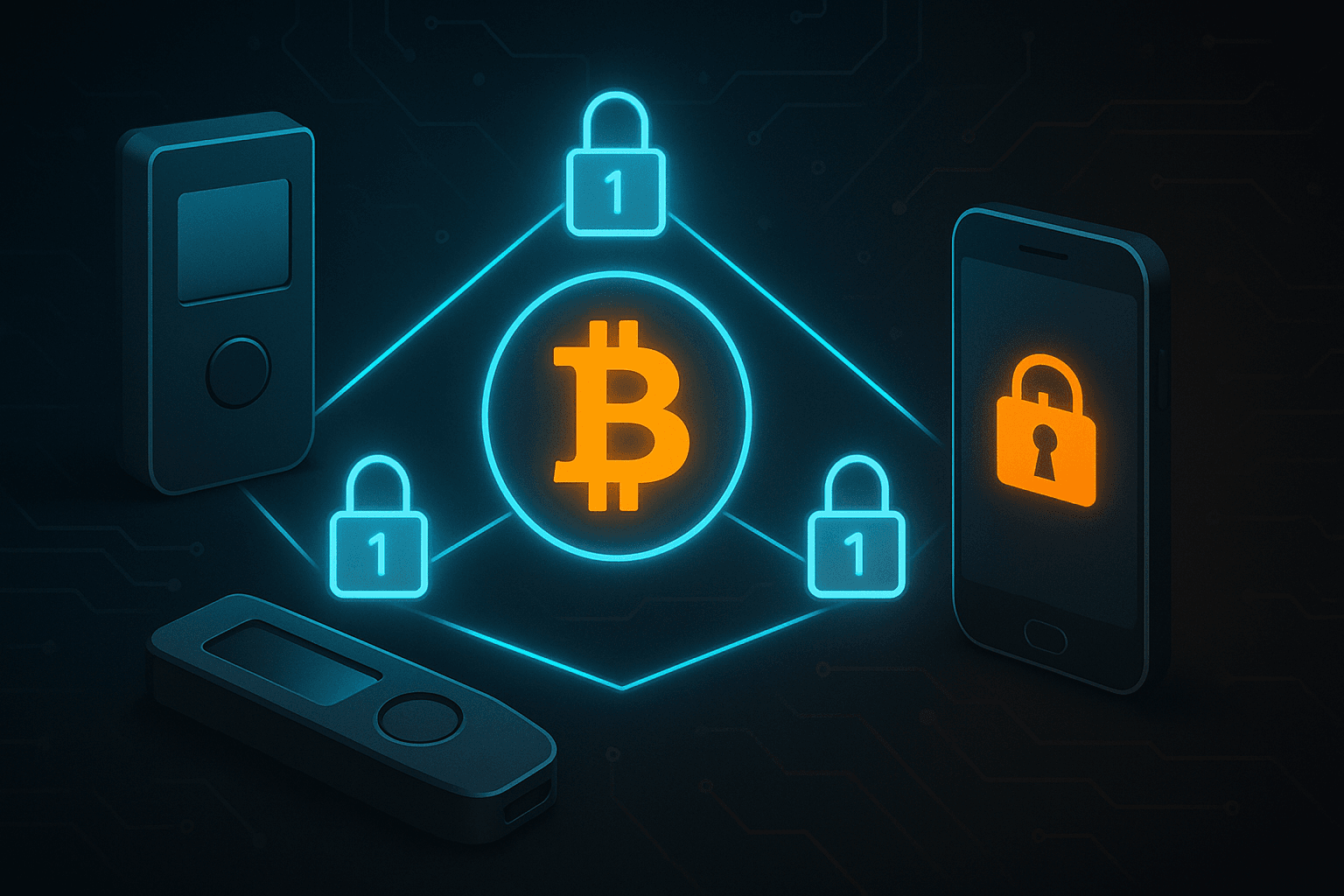
The good news? The tools and best practices to protect yourself are also improving. From hardware wallets and multi-factor authentication to on-chain analytics that detect suspicious behavior, staying safe in crypto is more doable than ever—especially if you follow basic security protocols.
What’s Trending in 2025:
- Hackers are targeting DeFi platforms through smart contract exploits.
- Phishing scams are becoming more sophisticated and AI-powered.
- Regulatory efforts are helping trace and recover stolen assets faster.
Beginner Tip:
Always store long-term holdings in a cold wallet. Double-check URLs, avoid clicking random links on social media and never share your private keys or seed phrases.
Meme Coin Complement & Social Trends

Meme coins aren’t just a fad—they’re a fixture. While some consider them speculative or unserious, these tokens continue to capture attention and onboard new users into the crypto ecosystem. Coins like Dogecoin, Shiba Inu, and newer entrants now exist alongside more utility-driven tokens.
But there’s a growing trend: meme coins with purpose. Many are launching with real communities, NFT tie-ins, or social good campaigns. Some even serve as onboarding tools for decentralized platforms.
Simultaneously, social sentiment continues to drive market behavior. Platforms like Twitter/X, Discord, and TikTok are where trends often start—well before they hit mainstream media.
Why It Matters:
- Meme coins serve as cultural entry points for new investors.
- Social trends influence price movements, often unpredictably.
- Beginner-friendly platforms often use meme tokens to gamify crypto adoption.
Beginner Tip:
If you’re dabbling in meme coins, only invest what you can afford to lose. Use them as a way to learn—but don’t build your whole portfolio around them.
Global Crypto Adoption Landscape
Crypto is no longer a niche movement—it’s going global. In 2025, countries across Asia, Africa, and Latin America are leading the charge in everyday crypto adoption. Whether it’s using Bitcoin to beat inflation in Argentina, stablecoins for remittances in Nigeria, or CBDCs (central bank digital currencies) in China, the world is embracing digital currencies in diverse ways.
Gen-Z investors in India are increasingly turning to decentralized apps (dApps) and NFT marketplaces. In the Middle East, Dubai continues to position itself as a crypto innovation hub with favorable regulations and startup incentives. Even African nations are using blockchain to improve land ownership records, voting systems, and identity verification.
Why It Matters:
- Global adoption shows crypto’s resilience and real-world utility.
- It provides use cases beyond speculation—like payments, savings, and governance.
- Beginners can learn from emerging markets where crypto solves real problems.
Beginner Tip:
Follow global news and adoption trends—it can reveal which projects have real staying power and utility beyond hype.
What Beginners Should Know & How to Start
With all these exciting trends unfolding in 2025, how should a beginner get started? It’s all about education, small steps, and protecting your assets.
First, pick a secure and regulated crypto exchange to start exploring. Consider investing in a combination of well-known assets like Bitcoin or Ethereum and newer trends like tokenized RWAs or staking opportunities. As you grow, experiment with DeFi, learn how to use a cold wallet, and follow trusted sources for news and updates.
Avoid FOMO and don’t chase every trend. Instead, focus on understanding the fundamentals of each sector and build a diversified portfolio over time.
Beginner’s Checklist:
- Choose a reputable exchange with strong security features.
- Start small and never invest more than you can afford to lose.
- Use two-factor authentication and consider a hardware wallet.
- Educate yourself about scams and fake tokens.
- Keep learning and stay curious—crypto rewards the informed.
FAQs
1. What’s the biggest crypto trend for 2025?
The approval and expansion of crypto ETFs, especially beyond Bitcoin, are drawing massive institutional interest and reshaping how people invest in crypto.
2. How can beginners safely explore crypto trends?
Start with regulated exchanges, use a cold wallet for storage, and only invest what you’re comfortable losing. Always research projects before investing.
3. What are real-world assets in crypto?
These are traditional investments like real estate, commodities, or treasury funds represented as tokens on a blockchain, making them easier to access and trade.
4. Is crypto still risky in 2025?
Yes—while regulation has improved, scams, volatility, and market manipulation still exist. Education and proper tools can greatly reduce your risk.
5. Should I invest in meme coins or stick with major tokens?
Meme coins can be fun and profitable, but they’re highly speculative. Beginners should build a base with major assets like BTC and ETH, then explore others cautiously.
Conclusion
2025 is a defining year for cryptocurrency. The industry is no longer just about Bitcoin or fast gains—it’s evolving into a complex, dynamic ecosystem that touches finance, technology, gaming, science, and global economies. From institutional ETFs and AI integration to tokenized assets and real-world use cases, the crypto world is bursting with opportunity—and change.
For beginners, this can feel overwhelming, but it doesn’t have to be. Start slow, learn the basics, and follow the trends that align with your interests. By understanding where crypto is headed and why these trends matter, you’ll be in a much stronger position to participate confidently and wisely.
Stay curious, stay secure, and stay updated. Because in the world of crypto, knowledge is your best investment.