Introduction
Imagine you’re about to invest in a new cryptocurrency. You’ve heard the name tossed around on Reddit, maybe seen a few TikTok clips hyping it up, and now you’re ready to learn more. But where do you start?
The answer is simple: the whitepaper.
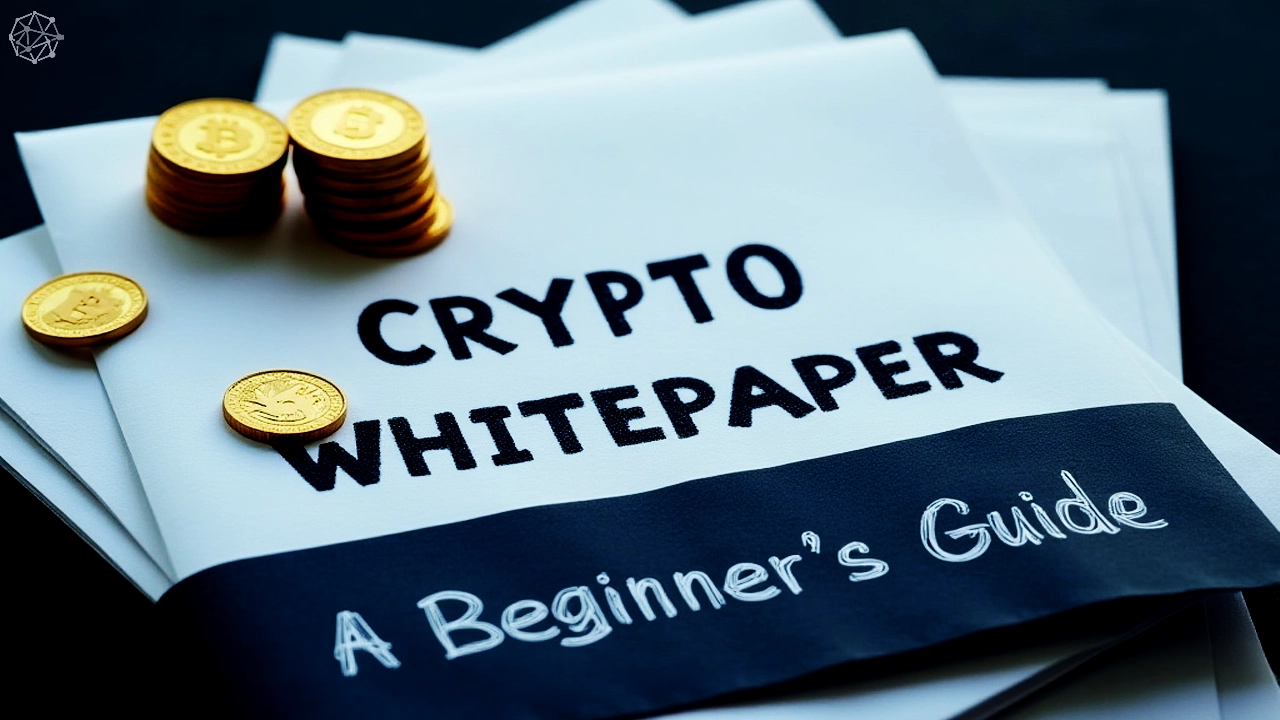
A crypto whitepaper is the foundation of any blockchain project. It’s the blueprint that outlines what the project is trying to achieve, how it plans to do it, and why it even exists in the first place. Think of it like the prospectus for a startup—it tells potential investors and users what the product is, how it works, who’s behind it, and why it matters.
Yet for beginners, whitepapers can be overwhelming. They’re often dense, full of jargon, and written in a tone that ranges from academic to outright cryptic. This guide is here to demystify all that. Whether you’re completely new to crypto or just want to sharpen your investment research skills, we’ll walk you through exactly how to read, understand, and evaluate a whitepaper with confidence.
Key Takeaways:
- A crypto whitepaper outlines the goals, tech, and structure of a blockchain project.
- It’s a must-read before investing in any new cryptocurrency.
- We’ll cover what to look for, red flags to avoid, and how to navigate modern alternatives like Gitbooks.
Table of Contents
Evolution: Whitepapers, Litepapers & Gitbooks
Back in 2008, when Satoshi Nakamoto published the Bitcoin whitepaper, the document was just nine pages long. Clear, concise, and highly technical, it became the gold standard for how to introduce a decentralized technology to the world. Since then, whitepapers have evolved—some for better, some for worse.
These days, you might come across three types of documentation:
- Whitepapers: These are still the go-to for most serious blockchain projects. They’re usually structured like academic papers, breaking down the project’s problem, solution, and technical framework.
- Litepapers: These are shorter, more digestible versions of whitepapers, written for general audiences. They’re great for beginners but often skip the technical depth.
- Gitbooks: A modern alternative that combines technical docs, roadmap updates, and interactive content. Think of them as living documents—updated in real-time and more collaborative in tone.
Some projects will have all three. Others may lean heavily on a Gitbook and skip the formal whitepaper altogether. The trend is moving toward transparency, accessibility, and community-driven content, especially as user education becomes a bigger priority in the crypto space.
Understanding which format you’re reading is important. A whitepaper signals formality and commitment. A lite paper shows marketing focus. A Gitbook often indicates ongoing development and open-source collaboration. All three have value—but only when paired with clear, consistent, and verifiable information.
Standard Whitepaper Structure
At first glance, most crypto whitepapers might seem like a wall of text—but once you understand their structure, they’re easier to navigate than you think. The majority of whitepapers follow a fairly standard format, with each section serving a specific purpose.
Here’s what you’ll typically find:
- Abstract A summary of the project, similar to a book blurb. It should give you a quick overview of the problem the project is solving and how it plans to do it.
- Introduction or Problem Statement This section dives deeper into the problem the crypto project is addressing. Whether it’s reducing transaction fees, speeding up block confirmations, or creating a decentralized app ecosystem, this part sets the stage.
- Solution Overview Explains how the project intends to solve the problem. It might highlight unique features, technology stacks, or protocols being used.
- Technical Architecture This is where things get a bit complex. You’ll see how the blockchain works under the hood—its consensus mechanism, network setup, and scalability plans.
- Tokenomics is arguably one of the most critical sections. It covers token supply, distribution, use cases, inflation/deflation models, and whether the token has any utility or just exists for speculation.
- Roadmap A timeline of past achievements and future goals. It helps determine if the team has a realistic, actionable plan.
- Team & Advisors Provides background on the developers, founders, and advisors. Are they real people? Do they have LinkedIn profiles? Have they worked on other blockchain projects?
- Legal & Compliance Notes This section is sometimes skipped, but it’s important. It may include disclaimers about regulatory standing, particularly if the token may be viewed as a security.
Not every whitepaper will include all these sections, but if key parts like tokenomics or team details are missing, that’s usually a red flag.
Key Elements To Evaluate
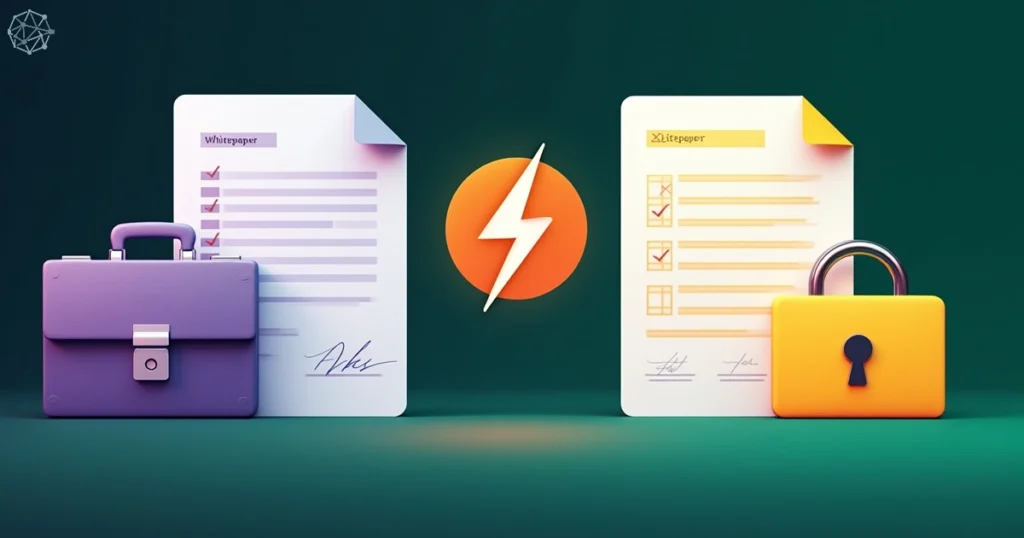
Now that you know what to expect, let’s zoom in on the most important parts to evaluate. A flashy website and a slick PDF don’t mean a project is legit. These are the real clues to look for when deciding if a crypto whitepaper is worth your trust.
1. Project Purpose & Utility
Does the project solve a real problem? Can the token be used for something meaningful, or is it just another meme coin trying to ride a hype wave?
2. Technical Depth & Innovation
Is the technology sound? Is it just copying Ethereum, or is there something new being proposed? Also, check for open-source code and GitHub activity.
3. Tokenomics & Supply
How many tokens are there? Who owns most of them? Look for transparent allocations and fair launch conditions. Avoid projects where insiders control a majority of the supply.
4. Roadmap Credibility
Are milestones clearly defined and realistically spaced? Are they hitting their targets? Past performance often signals future consistency.
5. Team Transparency
Can you find team members on LinkedIn or GitHub? Do they have a proven track record? Anonymous teams aren’t always bad, but they do increase risk.
These elements form the backbone of a good whitepaper evaluation strategy. If all of them check out, that’s a good sign the project is at least worth deeper investigation.
Red Flags to Watch For
Whitepapers can be convincing—especially to newcomers who are just getting started. But underneath the buzzwords and fancy graphics, there are subtle (and not-so-subtle) signs that a project might be trouble. Knowing how to spot these red flags early can save you from falling into a scam or investing in a poorly managed token.
1. Vague or Overly Technical Language
If a whitepaper is filled with fluffy promises like “revolutionizing finance” without clearly explaining how to be cautious. On the flip side, if it’s all technical jargon with no context or use case, it might be trying to confuse rather than clarify.
2. No Clear Token Use-Case
A token should have a reason to exist. If it’s not used to power the ecosystem, pay for services, or offer governance rights, it might only exist for speculation—which is risky long-term.
3. Unrealistic Roadmaps
Watch out for projects that promise huge milestones in just a few months—like full mainnet launches, major partnerships, or global adoption. Ambition is good, but timelines should be believable.
4. Team Anonymity
While some successful projects like Bitcoin started anonymously, most legitimate new tokens now have transparent leadership. If a whitepaper doesn’t mention who’s behind the project—or worse, if the team is untraceable—that’s a red flag.
5. Missing or Manipulated Tokenomics
If a small group holds most of the tokens, or if the token distribution isn’t explained clearly, it could indicate a future rug pull. Always check the breakdown.
6. No Audits or GitHub Activity
Security audits and public code repositories are hallmarks of a serious crypto project. If the project isn’t sharing this information, it might be hiding something.
Real-World Examples
To make this more practical, let’s look at a few real-world cases that highlight what to look for—and what to avoid.
The Good: Bitcoin (BTC)
The original Bitcoin whitepaper is a masterpiece of clarity. It clearly outlines the problem (centralized trust in financial institutions), and the solution (a peer-to-peer electronic cash system). It’s only nine pages, but every sentence carries weight.
The Cautionary: Squid Game Token
This token launched with viral branding and huge hype but no real whitepaper. The website had minimal info, and the team was anonymous. In just a few days, the price spiked—then collapsed completely. It was a textbook rug pull.
The Modern: Ethereum Gitbook
Ethereum no longer relies on a single whitepaper. Instead, it uses Gitbooks and developer docs that are updated as the platform evolves. This shows maturity, transparency, and community collaboration. It’s an example of how crypto documentation has matured over time.
These examples underline how essential it is to critically examine a project’s documentation, not just skim through it.
Regulatory Considerations & Documentation Compliance
In 2025, the crypto industry is facing increased scrutiny and evolving regulation—especially in places like the EU (with MiCAR) and the U.S. That means whitepapers aren’t just marketing tools anymore; they’re often legal documents that need to meet compliance standards.
What to Look For:
- Disclaimers: Many whitepapers now include legal disclaimers about jurisdictional risks, particularly regarding securities laws.
- Compliance Sections: Some documents explain how they align with local crypto regulations, including tax obligations or AML/KYC commitments.
- Audit References: A solid whitepaper will reference smart contract audits or third-party legal reviews.
If a project makes bold claims like “completely tax-free” or “beyond the reach of any government,” proceed with caution. Legal overpromises are a red flag, especially if the document ignores current laws or frameworks.
Practical Tips: How Beginners Can Read Whitepapers
Let’s be honest—most whitepapers are written for developers and investors who are already deep in the space. But that doesn’t mean beginners can’t understand them. Here are some strategies to make the process smoother:
1. Skim the Abstract and Tokenomics First
These two sections often tell you 80% of what you need to know. If they’re clear and make sense, move on to deeper sections.
2. Use a Glossary
Don’t get stuck on terms like “proof of stake” or “zk-rollups.” Just pause, look them up, and keep going.
3. Validate with the Community
Reddit, Discord, and Twitter are great for gut-checking whether a project is legit. Search the project’s name with “scam” and see what comes up.
4. Score What You Read
Use a basic checklist to rate the project: clarity, purpose, tokenomics, transparency, innovation, and roadmap. A simple 1–5 scale works well.
5. Don’t Trust Hype Alone
If everyone’s saying “buy now” but you can’t understand what the project does, walk away. Hype without clarity is dangerous.
FAQs
1. Are all crypto whitepapers trustworthy?
No. Some are misleading or incomplete. Always do additional research beyond the whitepaper.
2. How long should a whitepaper be?
There’s no standard length, but 8–25 pages is typical. Focus on clarity and completeness, not page count.
3. What if a project doesn’t have a whitepaper?
That’s a red flag unless it’s replaced by a comprehensive Gitbook or other up-to-date docs.
4. Can I invest without reading the whitepaper?
You can, but it’s risky. It’s like buying stocks without reading a prospectus.
5. What’s the easiest section to start with?
Start with the abstract and tokenomics. They’ll give you a good sense of whether the project is worth diving into.
Conclusion
Crypto whitepapers are your first line of defense in an investment landscape filled with both opportunity and risk. They’re not always perfect—and some might be designed to confuse or mislead—but learning to read them critically can make you a smarter, safer investor.
By understanding structure, looking for key elements, spotting red flags, and following a repeatable research process, even beginners can confidently assess new crypto projects. Don’t skip this step. It might just save you from your next bad decision—or lead you to your next big win.