Introduction
If you’re new to crypto and wondering what the future holds, you’re not alone. The cryptocurrency space is evolving fast—and 2025 is shaping up to be a pivotal year. With headlines buzzing about Bitcoin price predictions, new regulations, and major players like BlackRock and governments getting involved, it’s easy to feel overwhelmed. But don’t worry—you don’t need a finance degree to make sense of it all.
This guide is designed for beginners who want to get a realistic and practical overview of where crypto might be heading in the next few years. We’ll break down forecasts, explore what’s driving change, and share tips on how to prepare, regardless of what the market does.
Let’s explore the trends, risks, and opportunities that could shape the future of cryptocurrency—and what it all means for you.
Key Takeaways:
- Experts predict Bitcoin could hit between $70K to $180K by late 2025, but volatility is expected.
- Regulatory clarity, especially around stablecoins and CBDCs, is set to define crypto’s next phase.
- Institutional investors and ETFs are likely to drive mainstream adoption.
- Beginners should focus on balanced exposure and smart risk management.
Table of Contents
Bitcoin & Ethereum Price Forecasts

One of the most asked questions in crypto is: “Where will prices go next?” And while nobody has a crystal ball, several analysts and investment firms have put forward well-informed predictions for Bitcoin and Ethereum heading into 2025.
According to investment giant VanEck, Bitcoin could surge to $180,000, especially with the continued rollout of spot ETFs and rising institutional demand. Ethereum, meanwhile, is forecasted to reach $6,000 or more as staking and Layer 2 adoption continue to grow.
But not everyone is in full bull mode. Some analysts expect a more conservative range, suggesting BTC could fluctuate between $30,000 to $70,000, depending on macroeconomic conditions, regulatory developments, and market sentiment.
For beginners, the takeaway is this: price predictions are helpful to understand market sentiment, but they shouldn’t dictate your entire strategy. Instead, focus on:
- Dollar-cost averaging to reduce risk
- Understanding why prices move
- Preparing for both bull and bear scenarios
Institutional Adoption & Strategic Reserves
If you’ve been in crypto for a while, you’ve likely heard that “institutions are coming.” Well, in 2025—they’re here. From asset managers like BlackRock and Fidelity to governments like the United States itself, large-scale players are getting serious about crypto.
One major milestone is the U.S. exploring a strategic Bitcoin reserve, viewing Bitcoin as a digital counterpart to gold. Meanwhile, spot Bitcoin and Ethereum ETFs are opening the floodgates for traditional investors who previously stayed away due to complexity or lack of regulatory clarity.
For beginners, this means more legitimacy, more liquidity, and possibly less volatility—at least in the long run. Institutional involvement usually signals long-term confidence in an asset, and their presence could help stabilize prices.
What You Should Know:
- Institutions tend to hold long-term, reducing panic sell-offs.
- ETFs make it easier for the average investor to gain exposure through brokerage accounts.
- This growing adoption could make crypto a permanent fixture in diversified portfolios.
Regulation: Stablecoins, CBDCs & Global Policies
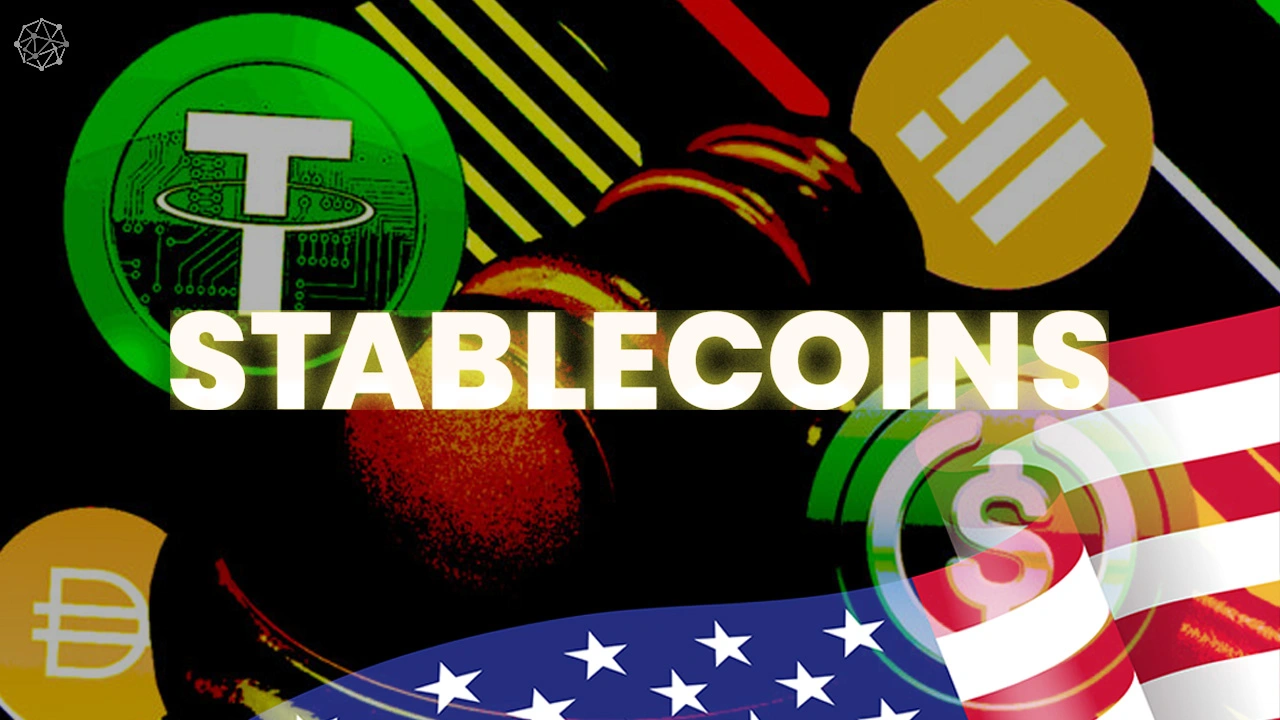
Regulation has always been a gray area in crypto—but in 2025, we’re seeing some of the clearest moves yet. Two big developments stand out: the GENIUS Act in the U.S. and the MiCA framework in the EU.
These regulations target stablecoins like USDC and Tether, requiring transparency, full backing, and compliance. At the same time, central bank digital currencies (CBDCs) are being tested in countries like China and India, with full rollouts on the horizon.
Why does this matter to beginners? Regulation isn’t just about rules—it’s about trust. When governments create a legal framework for crypto, it reduces fraud, increases investor protection, and gives everyone more confidence to get involved.
What Beginners Should Focus On:
- Use exchanges and stablecoins that are regulated or compliant with your region.
- Watch how regulation affects market behavior and token value.
- CBDCs might influence how we use crypto in everyday life—from payments to savings.
Market Forecasting Limits & Tools
Everyone loves predictions, but when it comes to cryptocurrency, even the most sophisticated models can get it wrong. A recent academic paper showed that crypto price patterns are notoriously hard to forecast with high accuracy due to their extreme volatility, 24/7 trading, and sensitivity to sentiment and global events.
So, what should beginners do instead? Instead of trying to predict exact price movements, focus on simple, accessible tools that help you navigate trends—things like moving averages, support/resistance levels, and sentiment indicators. These don’t promise future prices but can guide decisions and improve your timing.
You can also track on-chain metrics like wallet activity or Bitcoin halving cycles to get a sense of long-term trends. These are often more telling than technical charts alone.
Tools to Use:
- 50-day and 200-day moving averages (for trend spotting)
- Fear & Greed Index (for sentiment)
- Volume spikes and RSI (for momentum checks)
- On-chain data like exchange inflows/outflows
Beginner Advice:
Stick with tools that are easy to understand and don’t over-rely on any single forecast. The goal is to respond smartly, not predict perfectly.
Integration with Traditional Finance
Crypto isn’t isolated anymore—it’s becoming part of the broader financial system. Bitcoin’s correlation with stock indices like the S&P 500 is increasing, and more traditional portfolios now include crypto as a hedge or growth asset.
Banks are offering crypto custody, robo-advisors are including Bitcoin ETFs, and payment giants like PayPal are integrating crypto directly into their platforms. This integration means crypto is starting to behave more like traditional financial assets, which could bring more stability but also expose it to economic cycles.
Why This Matters:
- Crypto is no longer “anti-finance”—it’s joining the mainstream.
- Expect crypto prices to move in response to broader market news.
- You’ll likely see more hybrid products (e.g., retirement funds with crypto exposure).
Beginner Tip:
If you already invest in traditional assets, consider how crypto complements your risk profile. It can be a diversification tool—but with higher volatility.
Long-Term Macro Trends (2026–2030)
Looking beyond 2025, the crypto industry is expected to undergo even more transformational shifts. From technological innovation to changing global financial structures, there are several key trends to keep an eye on.
Tokenization of real-world assets is likely to accelerate—meaning things like real estate, stocks, and even art can be represented as blockchain-based tokens, making them more accessible and tradable. Meanwhile, AI and blockchain integration will enhance automation, decentralized decision-making, and fraud detection.
DeFi (Decentralized Finance) is also evolving, with protocols moving toward more user-friendly designs and better risk models. Cross-chain operability and zero-knowledge technologies will make crypto faster, cheaper, and more secure.
Global financial inclusion is another important trend. Crypto is providing banking services to people without access to traditional institutions, especially in emerging economies.
Macro Forecasts to Track:
- Growth of tokenized treasuries, commodities, and real estate
- AI-powered smart contracts and autonomous protocols
- DeFi 2.0 models with real-world use cases
- Wider use of crypto in international trade and remittances
Risk Management & Portfolio Strategy

As the industry matures, so do the strategies for investing safely. Beginners often fall into the trap of going all-in on hype coins or panic-selling during downturns. But a well-thought-out portfolio and clear risk management rules can help you survive—and thrive—through crypto cycles.
Start by diversifying. Most experts recommend allocating 60–80% of your crypto exposure to solid, well-known assets like Bitcoin and Ethereum. The rest can go toward newer projects or trends you believe in—but treat them as higher risk.
Also, consider your time horizon and liquidity needs. If you’re investing for the long term, short-term dips shouldn’t shake you. Use stop-loss orders, rebalance regularly, and always keep funds off exchanges unless actively trading.
Smart Risk Practices:
- Dollar-cost average your way in instead of lump-sum buys
- Use cold wallets for long-term storage
- Keep no more than 10–15% of your total net worth in crypto
- Follow trusted sources, not hype or influencer advice
FAQs
1. What is the future outlook for Bitcoin and Ethereum by 2025?
Analysts expect Bitcoin to reach between $70K and $180K, and Ethereum could approach $6,000, depending on market conditions and adoption.
2. How are governments influencing crypto’s future?
Governments are shaping the future through regulation, like stablecoin laws and CBDC experiments, which increase clarity and reduce risk for investors.
3. Is crypto still risky in the future?
Yes—crypto remains volatile and speculative. However, increasing regulation, institutional adoption, and diversified products are reducing certain risks.
4. What beginner strategies are best for future crypto investing?
Dollar-cost averaging, portfolio diversification, cold wallet storage, and following trusted educational sources are key strategies for beginners.
5. What will drive the next wave of crypto growth?
Tokenization of real-world assets, AI integration, DeFi innovation, and increased global adoption are expected to be the biggest growth drivers through 2030.
Conclusion
The future of cryptocurrency is bright, but not without its challenges. For beginners entering the space in 2025 and beyond, the key isn’t to try and predict every market move—but to understand the larger trends shaping the industry. From Bitcoin price forecasts and stablecoin regulations to institutional adoption and tokenization, the crypto landscape is evolving faster than ever.
Instead of chasing quick wins, build a foundation based on knowledge, safety, and long-term thinking. Start small, diversify wisely, and stay informed. Crypto will continue to surprise us, but those who are prepared will always have the upper hand.
This is your invitation to grow with the technology, one smart decision at a time.