Introduction
If you’ve heard of BNB, chances are you know it as the token that gives users trading discounts on Binance. But there’s a lot more going on under the hood. BNB has evolved far beyond its humble beginnings as a utility token—it’s now a crucial part of an expansive blockchain ecosystem powering decentralized applications (dApps), decentralized finance (DeFi), NFT marketplaces, and even AI-focused platforms.
BNB fuels the BNB Chain ecosystem, which includes the BNB Smart Chain (BSC), opBNB (a high-performance Layer 2), and BNB Greenfield (a decentralized storage network). From paying transaction fees and enabling staking to powering governance votes and expanding real-world use cases, BNB plays a critical role in the broader web3 ecosystem.
In this guide, we’ll explore how BNB transformed into a multi-utility asset, what it powers today, and why it might be one of the most versatile cryptocurrencies for builders, investors, and everyday users alike.
Key Takeaways
- BNB started as a fee discount token on Binance but now powers a full ecosystem of blockchains and dApps.
- It’s used for gas fees, staking, governance, and even storage in the BNB Chain architecture.
- The BNB Smart Chain supports over 5,000 dApps, and opBNB processes 100M+ transactions daily.
- Innovations like Greenfield bring decentralized data and AI apps to the forefront.
- BNB is deflationary due to regular token burns and is gaining attention as a multi-use asset.
Table of Contents
The Evolution of BNB
BNB launched in July 2017 during the height of the initial coin offering (ICO) boom. Originally built on Ethereum as an ERC-20 token, BNB’s primary use was to offer trading fee discounts on the Binance exchange. It was straightforward, but the real transformation came soon after.
In 2019, Binance introduced Binance Chain, followed by Binance Smart Chain (BSC) in 2020. These chains marked a major shift in BNB’s utility. Binance Chain enabled fast transactions but lacked smart contract capability. BSC, on the other hand, was built to support Ethereum-compatible smart contracts, giving birth to a robust DeFi and dApp ecosystem.
Then came a major rebrand. Binance merged its blockchain ecosystems under the banner of BNB Chain—comprising:
- BNB Beacon Chain: For governance and staking.
- BNB Smart Chain (BSC): For EVM-compatible smart contracts and dApps.
- opBNB: A high-throughput Layer 2 scaling solution.
- BNB Greenfield: A decentralized data storage platform.
This evolution elevated BNB from a trading utility into a foundational asset supporting a multi-layered, web3-native blockchain ecosystem.
Tokenomics & Governance
BNB’s tokenomics are deflationary by design. Its original max supply was set at 200 million tokens, but Binance implemented a quarterly token burn mechanism to reduce supply. These burns are algorithmically tied to transaction volume and fees collected across the Binance ecosystem.
As of now, over 47 million BNB have been permanently burned, and Binance aims to reduce the total supply to 100 million in the long term. This deflationary mechanism enhances BNB’s scarcity, which many believe contributes to long-term price support.
Governance on the BNB Chain is community-driven through Proof-of-Staked-Authority (PoSA). BNB holders can stake tokens and delegate to validators, who secure the network and propose governance changes. While concerns about centralization remain—due to Binance’s influence—there’s a roadmap to expand validator participation and increase community control over time.
Core Utilities of BNB

BNB does more than just fuel transactions—it serves as the backbone for a wide variety of blockchain applications and user interactions. Here’s how BNB is used across the ecosystem:
1. Gas Fees on BNB Smart Chain and opBNB:
BNB is the native gas token used to pay for transactions on BSC and opBNB. These fees are significantly lower than Ethereum’s, making BNB-based chains attractive for developers and users alike.
2. Governance and Staking:
Users can stake BNB and participate in validator selection or vote on network upgrades. Governance decisions include changes to the protocol and funding new projects within the BNB ecosystem.
3. Launchpad and Launchpool Access:
Holders use BNB to participate in Binance Launchpad token sales and Launchpool farming campaigns—two major avenues for accessing early-stage crypto projects.
4. Binance Exchange Benefits:
Using BNB on the Binance exchange grants users trading fee discounts, access to special events, and other exclusive offers.
5. Payments and Merchant Use Cases:
BNB is accepted by various services including travel platforms (e.g., Travala), online retailers, and crypto payment processors. It’s also integrated into Binance Pay, allowing for seamless peer-to-peer transfers.
6. Utility in dApps and DeFi:
From yield farming and lending protocols to gaming and NFTs, BNB acts as a collateral and utility token within countless decentralized apps across the BNB Chain.
Ecosystem Expansion: opBNB & Greenfield
BNB’s evolution doesn’t stop with BSC. Binance’s development arm has been busy building two major infrastructure pillars to power the future of web3:
opBNB – The High-Throughput Layer 2:
Launched as a Layer 2 roll-up built on Optimism’s OP Stack, opBNB is designed for high-volume applications like games, micro-transactions, and real-time DeFi. With a capacity for 100 million+ daily transactions, it offers rapid finality, ultra-low fees, and full EVM compatibility.
BNB Greenfield – Decentralized Data Storage:
Greenfield is a novel initiative designed to enable decentralized data storage, retrieval, and monetization. It empowers users to store files like images, documents, or AI datasets across a permissionless, censorship-resistant network. Developers can integrate Greenfield into dApps to provide file storage directly on-chain.
Together, these chains create a vertically integrated stack—compute, data, and scaling—all powered by BNB.
DeFi, GameFi, NFTs & AI – Showcase dApp Use

The BNB Chain ecosystem isn’t just about infrastructure—it’s a thriving hub for decentralized finance, gaming, NFTs, and even artificial intelligence. With over 5,000+ dApps running on the network, BNB’s role as the native token ensures it’s constantly in motion.
DeFi
BNB Smart Chain hosts some of the largest DeFi platforms, including PancakeSwap, Venus, and Alpaca Finance. These apps offer lending, borrowing, staking, and yield farming opportunities, often with significantly lower fees than Ethereum-based alternatives. The total value locked (TVL) on BSC has consistently ranked among the top five blockchains.
GameFi
Games like MOBOX, BinaryX, and Era7 have attracted millions of players by offering play-to-earn models built on BSC. With low latency and high throughput, BNB Chain is optimized for real-time gaming environments.
NFTs
From marketplaces like Binance NFT to collections hosted on BakerySwap, NFTs on BNB Chain are becoming increasingly popular. Artists and developers are drawn by the low minting costs and fast settlement times.
AI & Data Apps on Greenfield
BNB Greenfield introduces a new wave of dApps leveraging decentralized data storage and AI. Projects like dtcpay and MyShell are pioneering decentralized data monetization, while tools built on Greenfield allow AI models to access verified, user-permissioned datasets directly from the blockchain.
BNB is used across these applications for transactions, governance, collateral, and access—creating a flywheel effect that sustains demand and growth.
Transparency & Token Performance
In response to growing demands for transparency, Binance and the BNB ecosystem have taken steps to increase visibility into BNB’s token metrics.
Quarterly Burns
Every quarter, Binance publishes detailed reports on how many BNB tokens are burned. These burns are algorithmically calculated based on trading volume and activity across the ecosystem. As of now, more than 47 million BNB have been burned, reducing the circulating supply and reinforcing the token’s deflationary design.
New Transparency Tools
Binance has implemented features like token lock/unlock tracking to improve visibility into BNB’s supply dynamics. These tools help investors understand exactly how much BNB is circulating, how much is staked or locked, and what’s being held by institutional wallets.
Price Performance
Despite occasional regulatory concerns, BNB has consistently remained a top-five crypto asset by market capitalization. Its price tends to be more stable than many other altcoins, partly due to its consistent utility and strong burn mechanism.
These steps make BNB a more transparent, predictable asset—qualities that appeal to both retail investors and institutions.
Price Outlook & Market Position
BNB has secured its place as a top-tier cryptocurrency, regularly ranking among the top five by market capitalization. Its position isn’t just hype—it’s built on real utility and network effects.
Growth Potential
Analysts and crypto influencers frequently project bullish outcomes for BNB. With continuous ecosystem development and increasing on-chain activity, some forecasts have placed BNB’s future price above $1,000, particularly as adoption of opBNB and Greenfield expands. Unlike many altcoins, BNB has multiple levers that can drive value: transaction fees, staking, burn mechanisms, and DeFi engagement.
Comparative Strength
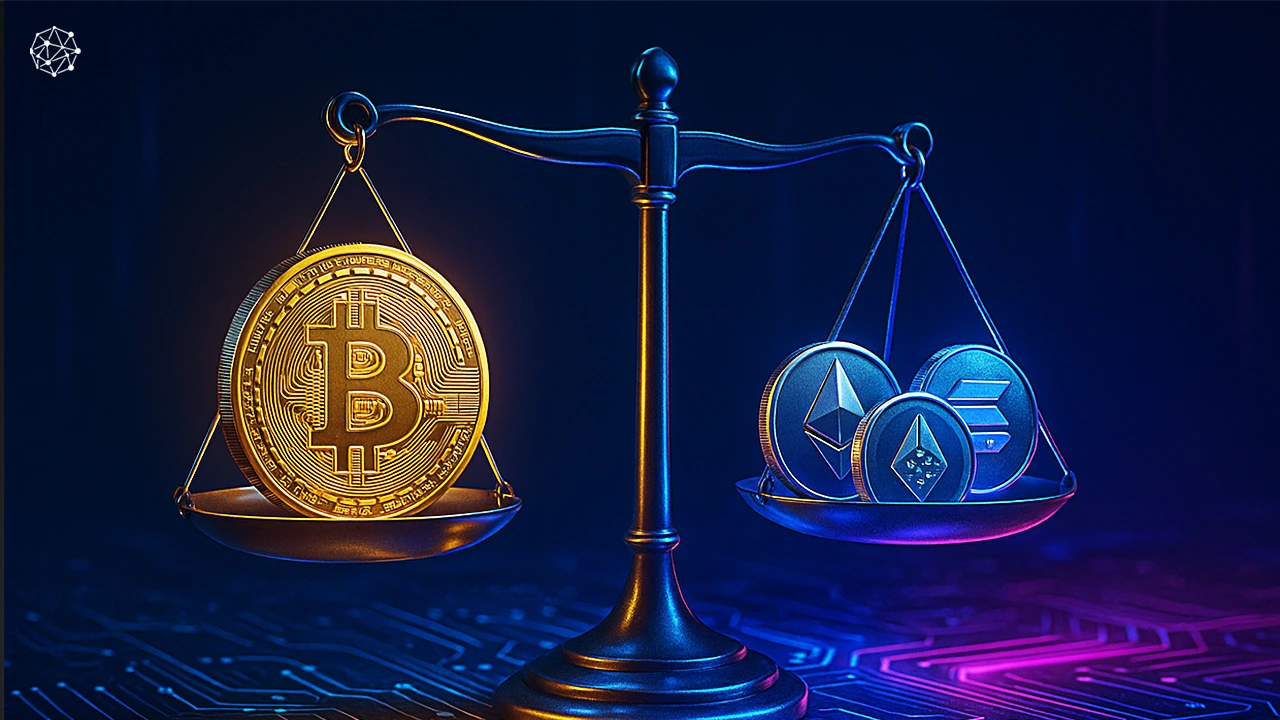
Compared to similar smart contract platforms like Ethereum or Solana, BNB offers faster transaction speeds and lower costs. While it’s often criticized for being more centralized, this has also enabled rapid innovation and decision-making—benefits that aren’t always present in slower-moving ecosystems.
Investor Role
For long-term holders, BNB offers consistent exposure to DeFi growth, governance participation, and rewards through staking and yield farming. Many investors include BNB as part of a diversified crypto portfolio due to its multifaceted utility and large user base.
Risks & Challenges
Despite its strengths, BNB isn’t without challenges. Understanding the risks is essential before jumping in.
Regulatory Uncertainty
BNB is tightly associated with Binance, which has faced regulatory scrutiny in several jurisdictions. Any crackdown on Binance could potentially affect BNB’s usage, liquidity, and perception in the market.
Centralization Concerns
BNB Chain uses a Proof-of-Staked-Authority consensus model, which is faster and cheaper but raises concerns about centralization. A relatively small number of validators manage the network, many of which are reportedly aligned with Binance.
Security Vulnerabilities
While the network is generally secure, some dApps and bridges built on BSC have suffered from exploits and hacks. Users must stay informed and practice caution when interacting with unfamiliar projects.
Market Volatility
Like all cryptocurrencies, BNB is subject to price swings. Investors should be prepared for volatility and ensure it aligns with their risk tolerance.
Understanding these challenges allows you to make more informed decisions and take steps to protect your investments.
How Beginners Can Use BNB
Getting started with BNB is easy—even if you’re new to crypto. Here’s how beginners can begin using BNB effectively:
1. Buy BNB:
You can purchase BNB on major exchanges like Binance and KuCoin, or decentralized exchanges like PancakeSwap. You’ll need to set up an account, verify your identity, and deposit funds before trading.
2. Store Safely:
BNB can be stored on:
- Hardware wallets like Ledger for maximum security.
- Software wallets like Trust Wallet or MetaMask.
- Binance exchange wallet for convenience (though less secure for long-term holding).
3. Use in dApps:
Once you own BNB, you can explore dApps on the BNB Chain. Use BNB for staking, yield farming, or buying NFTs. The process is similar to interacting with Ethereum-based apps but with lower fees.
4. Stake and Earn:
Many platforms allow you to stake BNB and earn passive income. Binance itself offers flexible and locked staking options. Some DeFi apps offer yield-earning opportunities through liquidity pools.
5. Spend BNB:
Use BNB via Binance Pay, on travel sites like Travala, or even with crypto debit cards where accepted. As real-world adoption grows, so does the utility of your BNB holdings.
Future Prospects
BNB’s ecosystem is expanding faster than most of its competitors. As the network pushes toward greater decentralization and utility, its long-term vision becomes clearer.
Upcoming innovations include:
- More robust DeFi and GameFi support via opBNB.
- AI and big data dApps via Greenfield’s decentralized storage model.
- Cross-chain bridges to increase asset interoperability.
- Decentralized identity (DID) and credentials for on-chain users.
The success of these initiatives could catapult BNB to the center of web3, further boosting demand and cementing its status as a top-tier digital asset.
Frequently Asked Questions (FAQs)
1. What is BNB used for?
BNB is used to pay gas fees on BNB Chain, participate in DeFi and NFT apps, stake for rewards, vote on governance proposals, and get discounts on Binance.
2. How does BNB differ from Ethereum?
BNB offers faster and cheaper transactions than Ethereum, but Ethereum is more decentralized. BNB is optimized for speed and scalability, particularly through opBNB.
3. Is BNB a good investment?
BNB is considered a multi-utility token with real-world use cases and a deflationary supply. However, it’s still subject to market risks and regulatory scrutiny.
4. Can beginners use BNB?
Yes. BNB is beginner-friendly, especially on Binance or Trust Wallet. It’s easy to buy, store, and use across the BNB Chain ecosystem.
5. Is BNB tied only to Binance?
BNB originated from Binance but now powers a broader blockchain network—BNB Chain—which includes independent developer and enterprise contributions.
Conclusion
BNB has come a long way from being a simple discount token on Binance. Today, it powers an entire ecosystem of smart contracts, decentralized applications, and scalable blockchain solutions.
With its expanding infrastructure (opBNB, Greenfield), utility across DeFi and NFTs, and strong developer activity, BNB is proving to be a foundational layer in the web3 stack. While regulatory concerns and centralization debates persist, BNB continues to deliver real utility to millions of users and developers worldwide.
Whether you’re investing, staking, building, or just curious about crypto, BNB offers a dynamic and rapidly evolving entry point into the blockchain universe.