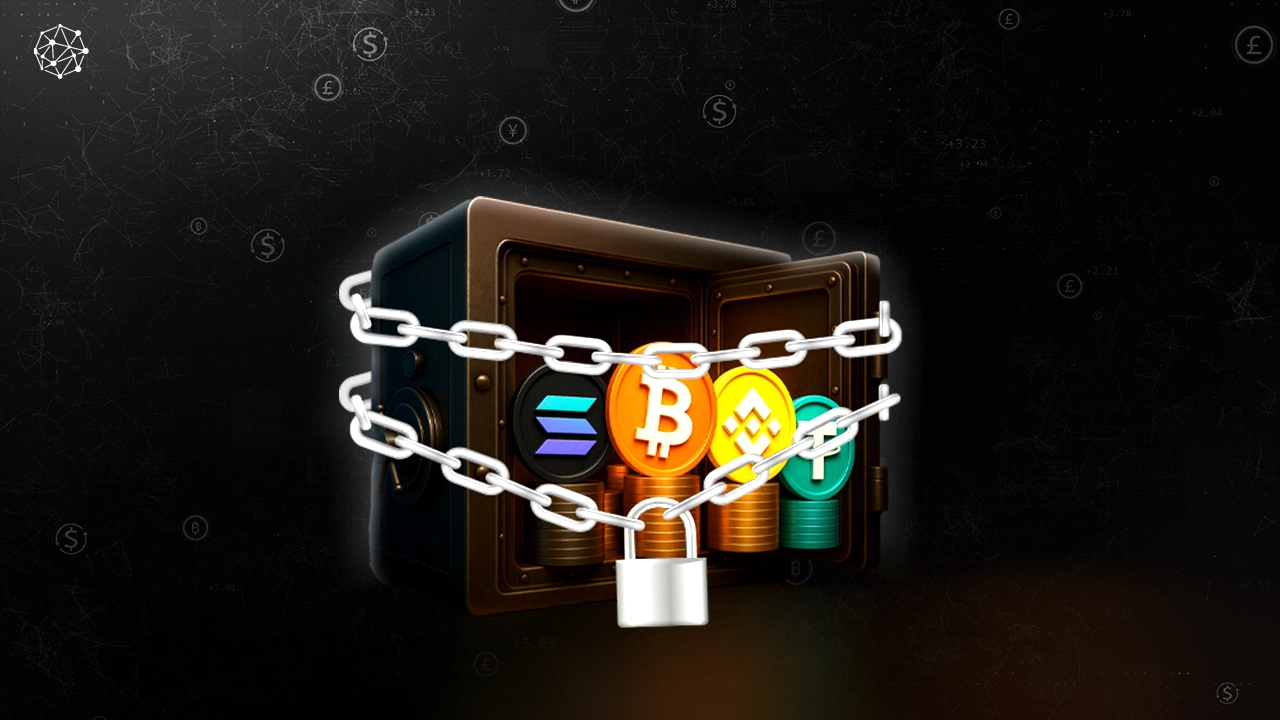
As digital currencies continue to gain global traction, crypto regulation in 2025 has become a defining topic for investors, governments, and businesses alike. With billions flowing through decentralized networks, the need for a robust crypto legal framework is no longer optional—it’s essential. Across the globe, countries are revisiting and reshaping their cryptocurrency laws to align with financial stability, consumer protection, and innovation.
But what does this mean for you—the trader, investor, or curious onlooker? This blog aims to simplify your journey by understanding crypto regulations that govern everything from exchanges to wallets, taxation to token classification. Whether you’re navigating the U.S. Securities and Exchange Commission’s evolving stance or Europe’s newly implemented MiCA directive, knowing where things stand is key to making informed decisions.
Regulating crypto doesn’t mean stifling it—it means creating an ecosystem where digital assets can thrive responsibly. As 2025 unfolds, this regulatory clarity is becoming the bridge between mass adoption and sustainable growth. In the sections ahead, we’ll explore how crypto regulation in 2025 is shaping markets, empowering users, and redefining trust in the decentralized world.
Table of Contents
What Is Cryptocurrency Regulation?
At its core, cryptocurrency regulation refers to the legal guidelines and frameworks governments and regulatory bodies use to oversee the use, trading, and development of digital assets. In the context of crypto regulation in 2025, these rules have become more refined and globally relevant as the industry matures and integrates with traditional financial systems.
The purpose of regulating crypto is to ensure transparency, protect investors, prevent illicit activities like money laundering or terrorism financing, and maintain economic stability. With millions of users entering the crypto market each year, a reliable crypto legal framework is necessary to build trust, reduce volatility, and encourage responsible innovation.
Several key areas are now under close regulatory scrutiny:
- Crypto Exchanges: These platforms serve as entry points for most users. In 2025, most jurisdictions require exchanges to comply with strict Know Your Customer (KYC) and Anti-Money Laundering (AML) standards.
- Digital Wallets: Custodial wallets offered by centralized services must follow licensing and reporting requirements, while non-custodial wallets still sit in a gray area in some regions.
- Stablecoins: Given their potential impact on national currencies and payment systems, stablecoins face more comprehensive rules. Authorities are focused on ensuring these assets are backed, auditable, and transparent.
- Decentralized Finance (DeFi): The most challenging sector to regulate due to its lack of centralized control. Cryptocurrency laws are evolving to define how decentralized protocols can meet compliance without compromising their core philosophy.
Unlike traditional financial oversight, understanding crypto regulations involves grasping the unique technological and operational aspects of blockchain-based systems. Unlike banks and stock exchanges, many crypto projects are open-source, community-governed, and borderless, making one-size-fits-all rules impractical. This has led to tailored, adaptive policies that attempt to balance innovation with regulation.
In crypto regulation 2025, governments are not only reacting to the challenges of digital assets—they’re proactively creating guardrails for long-term stability. While some fear overregulation might hinder growth, others see it as a path to mass adoption, institutional trust, and a more secure ecosystem. Either way, regulating crypto is no longer a question of “if” but “how”—and those who stay informed are better positioned to thrive in this dynamic financial era.
The Global Regulatory Landscape in 2025
The year 2025 marks a pivotal shift in how the world views and implements crypto regulation. With digital assets entering mainstream portfolios, governments and financial institutions are accelerating efforts to bring cryptocurrencies under formal legal oversight. The global approach to crypto regulation in 2025 is no longer fragmented—while still diverse, nations are taking structured steps toward clarity, compliance, and control.
Let’s explore how some of the world’s leading and emerging economies are shaping the crypto legal framework.
1. United States
SEC and CFTC Updates
The United States remains one of the most influential players in the global crypto scene. In 2025, the regulatory tug-of-war between the Securities and Exchange Commission (SEC) and the Commodity Futures Trading Commission (CFTC) has made significant progress toward clearer definitions and jurisdictional boundaries.
The SEC continues to regulate cryptocurrencies it classifies as securities, with more specific guidance issued this year for token issuers. Projects launching Initial Coin Offerings (ICOs) or token sales must now undergo standardized disclosure processes similar to traditional stock offerings. These changes are seen as an effort to prevent scams and promote transparency, strengthening the overall cryptocurrency laws in the country.
The CFTC, on the other hand, has ramped up its oversight of crypto derivatives and futures markets. Centralized exchanges offering leveraged crypto products are required to register with the agency, ensuring greater accountability. This dual approach is laying the groundwork for a comprehensive crypto legal framework that blends traditional finance standards with the unique dynamics of blockchain-based systems.
Stablecoin Legislation
Stablecoins have gained attention at the federal level, prompting the introduction of new legislation in 2025. The Stablecoin Regulation Act, passed earlier this year, mandates all stablecoin issuers to maintain 1:1 reserves, undergo regular audits, and obtain licenses to operate. This is especially relevant for coins pegged to the U.S. dollar, which are now categorized under a new financial instrument class. The aim is to bring financial stability and trust to a sector previously criticized for lacking transparency.
2. European Union
MiCA Regulation Rollout and Impact
The Markets in Crypto-Assets (MiCA) regulation officially came into effect across all EU member states in January 2025. Designed to standardize regulating crypto across the European Union, MiCA introduces uniform rules for token issuers, crypto service providers, and digital wallet platforms.
Key provisions include:
- Licensing requirements for all centralized crypto service providers.
- Consumer protection mechanisms, including disclosures and fund recovery options.
- Anti-money laundering compliance, similar to traditional banking standards.
The impact of MiCA is already visible—major crypto exchanges like Binance and Coinbase have secured MiCA-compliant licenses, giving them unhindered access to the European market. Small to mid-sized firms, however, are facing challenges adapting to the new documentation and operational transparency requirements.
More importantly, MiCA is being viewed as a global benchmark, with several non-EU countries considering it a reference for building their cryptocurrency laws. Its successful implementation further strengthens the case for clear and consistent crypto regulation in 2025 on a global scale.
3. Asia and Emerging Markets
India’s Tax Framework and Compliance
India’s approach to understanding crypto regulations has been both ambitious and cautious. In 2025, the country will have streamlined its tax framework for digital assets. Crypto income is now classified under a distinct asset class, subject to a 20% capital gains tax and a 1% TDS (Tax Deducted at Source) on transactions above a specified threshold.
To encourage greater compliance, the Indian government launched a national crypto registry for both exchanges and users. All major crypto platforms are now integrated with the Goods and Services Tax (GST) system, adding another layer of visibility into the sector. These steps mark India’s shift from uncertainty to a more structured crypto legal framework, though critics still point to the high tax burden as a deterrent to innovation.
Nonetheless, India’s regulation model is being recognized in the developing world as a balanced attempt at regulating crypto, offering legal clarity while maintaining strict financial oversight.
Japan and South Korea’s Pro-Crypto Policies
Japan and South Korea have long been at the forefront of crypto adoption, and in 2025, they doubled down on their pro-crypto stance with thoughtful regulation.
Japan, under its Financial Services Agency (FSA), now requires all token listings to undergo smart contract audits and risk assessments. Its strong licensing system for exchanges remains in place, with newer policies encouraging interoperability between centralized and decentralized finance.
South Korea continues its innovation-friendly policies by launching government-backed blockchain sandboxes that allow startups to test products without full compliance burdens for a limited period. Additionally, tax laws have been clarified: short-term gains are taxed at 20%, while long-term holdings enjoy incentives if reported through certified digital wallets.
Both countries are examples of how crypto regulation in 2025 can coexist with innovation. Their forward-thinking policies are fostering rapid technological growth while ensuring investors are protected and markets remain stable.
A Global Shift Toward Unified Regulation
While there’s no universal crypto law yet, the regulatory climate in 2025 reflects a shift toward harmonization. Regional frameworks like MiCA, federal guidelines in the U.S., and digital asset policies in Asia are pushing for global alignment. This doesn’t mean identical rules everywhere, but rather compatible frameworks that reduce confusion and enable cross-border crypto activity.
For investors and businesses, this means a more secure, transparent environment, provided they stay informed. As crypto regulation 2025 continues to evolve, it’s essential to understand how global shifts may impact your strategy, compliance responsibilities, and opportunities in this fast-moving landscape.
Common Regulatory Terms Explained

To truly navigate crypto regulation in 2025, it’s essential to understand the key terms that define how governments and institutions are shaping the space. Here are three foundational regulatory concepts every crypto user should know:
KYC/AML Requirements
Know Your Customer (KYC) and Anti-Money Laundering (AML) policies are standard compliance measures adopted by financial institutions—and now, by most crypto platforms as well. Under modern cryptocurrency laws, exchanges and wallet providers must verify user identities and monitor transactions for suspicious activity.
In 2025, this requirement has expanded globally, even covering some decentralized finance platforms that integrate identity layers. These rules aim to reduce the risk of illegal activities such as terrorism financing, fraud, and tax evasion, helping build a more secure and transparent ecosystem. Complying with KYC/AML is no longer optional—it’s a key part of regulating crypto worldwide.
Tax Implications on Crypto Gains
Taxation remains a critical part of understanding crypto regulations. In 2025, crypto gains are considered taxable income or capital gains in most jurisdictions. Whether you’re trading tokens, earning through staking, or holding long-term, your profits are likely subject to tax reporting. Some countries now even require real-time transaction logs and automatic tax deduction mechanisms through integrated wallets and exchanges.
Failing to report crypto income can lead to penalties or legal consequences. As crypto regulation in 2025 becomes more sophisticated, staying updated on your local tax obligations is vital for compliance and financial planning.
Security vs. Utility Tokens – Why It Matters
Regulators distinguish between security tokens and utility tokens to determine how a digital asset should be governed. Security tokens represent investment contracts—like shares or bonds—and fall under stricter regulations. Utility tokens, on the other hand, offer access to a platform or service. This distinction matters because classifying a token incorrectly can lead to legal action against issuers or platforms.
As part of the evolving crypto legal framework, clear classification helps protect investors and ensures that crypto projects are held to appropriate standards.
How Regulation Affects You as an Investor?
As crypto regulation in 2025 tightens, the effects are being felt directly by investors, changing how they access platforms, report profits, and evaluate risk. While the evolving crypto legal framework might seem complex, understanding its impact can help you invest smarter and safer.
Impact on Exchange Accessibility
Stricter regulations mean that not all exchanges are available in every country. In 2025, many platforms must meet local compliance standards—including KYC verification, licensing, and data security—to operate legally. As a result, investors may find that their favorite global exchange is now geo-restricted or limited in features. On the upside, regulated exchanges often offer greater transparency and investor protections, giving you peace of mind.
Tax Reporting Obligations
Understanding crypto regulations includes being clear about tax compliance. Today, many governments require real-time tracking of crypto transactions. Some even demand automated tax deductions through compliant wallets or integrated reporting via national tax portals. As an investor, you’re responsible for declaring gains from trading, staking, or airdrops. Failing to comply could lead to hefty penalties or audits.
Risks of Using Unregulated Platforms
Tempting as they may be, unregulated platforms carry high risk. Without oversight, there’s no guarantee of fund security, and little legal recourse if you fall victim to fraud, hacking, or mismanagement. As cryptocurrency laws mature, using these platforms not only puts your investments in danger but may also make you non-compliant in your jurisdiction.
For more on how to protect yourself in the evolving crypto space, don’t miss our Navigating the Risks and Avoiding Common Mistakes guide.
The Debate: Is Crypto Even Real Money?
One of the most enduring questions in the world of digital assets is whether cryptocurrencies can truly be considered real money. As crypto regulation in 2025 becomes more structured, the debate continues between central banks and crypto advocates, each defending their vision of what money should be.
Central Banks vs. Decentralized Currencies
Central banks argue that real money must be government-backed, stable, and controlled through monetary policy. By contrast, cryptocurrencies are decentralized, borderless, and algorithm-driven. This difference in control is at the heart of the regulatory tension.
Many governments are now exploring Central Bank Digital Currencies (CBDCs) as a regulated alternative to crypto, blurring the lines between traditional finance and blockchain-based systems. As cryptocurrency laws evolve, some regulators now view certain stablecoins as a middle ground between fiat and crypto.
Store of Value vs. Medium of Exchange
Another key element of the debate lies in how crypto is used. Bitcoin, often compared to digital gold, is seen as a store of value rather than everyday money. Meanwhile, newer cryptocurrencies and stablecoins aim to serve as a medium of exchange, enabling fast, borderless transactions. However, volatility and limited merchant acceptance remain barriers.
Still, in regions with unstable currencies or limited banking access, crypto has already proven its value as money, regulated or not.
Read more: Is Cryptocurrency Real Money?
As crypto legal frameworks take shape, this debate may shift from theory to regulation, ultimately determining how cryptocurrencies are classified, taxed, and used in daily life.
Are Cryptocurrencies Legal in 2025?
With the rise of crypto regulation in 2025, many people still wonder: Are cryptocurrencies legal? The answer isn’t a simple yes or no—it depends heavily on how each country defines legality versus regulation.
Clarifying Legality vs. Regulation
Legality refers to whether a country permits the use, trading, and holding of cryptocurrencies. Regulation, on the other hand, outlines how those activities must occur. A cryptocurrency can be legal but strictly regulated, or in some cases, it can be banned outright. Understanding crypto regulations means recognizing that permission doesn’t always mean freedom—users may still face strict tax reporting, identity verification, and usage restrictions even in legal markets.
Countries Where Crypto Is Legal, Banned, or in Limbo
In 2025, crypto is legal and regulated in regions like the United States, European Union, Japan, South Korea, Australia, and the UAE. These jurisdictions have implemented strong cryptocurrency laws and frameworks to support both investors and institutional players.
Countries such as China, Algeria, and Morocco continue to ban or heavily restrict cryptocurrency activities, citing concerns over financial stability and fraud. Meanwhile, several emerging markets in Africa and South America remain in limbo, where crypto is neither fully banned nor formally regulated, creating legal uncertainty for users and businesses.
Corporate Adoption and Government Acceptance
Despite these variations, corporate adoption has surged globally. By 2025, many companies are expected to accept cryptocurrency payments, offer blockchain-based services, or hold digital assets on their balance sheets. Governments, too, are increasingly open—some even integrating blockchain into public systems or exploring crypto taxation models.
Read more: Are Cryptocurrencies Legal?
What’s Next: The Future of Crypto Regulation

As the dust settles around crypto regulation in 2025, the industry is already looking ahead. With more clarity in place, the next 12 to 18 months could define how digital assets integrate into mainstream finance and society. Here’s what the future may hold.
Predictions for 2025–2026
We can expect continued evolution in cryptocurrency laws as governments respond to market trends, technological innovation, and public demand. AI-integrated compliance tools, automated tax reporting systems, and enhanced identity verification will likely become standard. Countries that lag may roll out fresh regulations to catch up, especially as crypto adoption spreads across institutional and retail sectors.
Possible Emergence of Global Crypto Frameworks
One major development to watch is the potential for international crypto legal frameworks. While regulation has largely been domestic until now, global financial bodies like the IMF and G20 are pushing for cooperative standards. A unified baseline for regulating crypto—covering stablecoins, cross-border transactions, and decentralized finance—could eliminate confusion and promote safer, borderless innovation. While a single global policy may be unlikely, aligned frameworks could streamline compliance for multinational platforms.
Role of DAOs and Decentralized Governance in Shaping Policy
As decentralized autonomous organizations (DAOs) mature, they’re expected to play a larger role in shaping future policy. Already, some jurisdictions recognize DAOs as legal entities, allowing them to participate in regulatory discussions. These community-driven structures challenge traditional policymaking, offering a new approach to implementing governance—from within the system, rather than just through top-down mandates.
The future of crypto regulation in 2025 and beyond will be shaped by collaboration among governments, developers, investors, and decentralized communities—all working to strike a balance between innovation and accountability.
FAQs
What is the purpose of crypto regulation in 2025?
The primary goal of crypto regulation in 2025 is to create a secure, transparent environment for digital asset usage while preventing fraud, money laundering, and market manipulation. Regulation also aims to legitimize cryptocurrencies within traditional financial systems.
Are all cryptocurrencies regulated the same way worldwide?
No, cryptocurrency laws vary significantly by country. While regions like the EU and the U.S. have introduced clear frameworks, others are still developing their approach or banning crypto entirely. It’s important to stay informed about your local regulations.
How does KYC/AML apply to crypto users in 2025?
Most exchanges and platforms require Know Your Customer (KYC) and Anti-Money Laundering (AML) compliance. This means users must verify their identity before trading, in line with the growing focus on regulating crypto to prevent illegal activities.
What are the risks of using unregulated crypto platforms?
Using unregulated platforms can expose investors to fraud, hacks, and legal issues. In the context of crypto regulation 2025, such platforms may be banned or penalized, and users could face compliance violations in certain jurisdictions.
How are DAOs treated under current crypto legal frameworks?
In 2025, some countries started recognizing Decentralized Autonomous Organizations (DAOs) as legal entities. Their role in shaping future policies is growing, signaling a more inclusive and collaborative approach to understanding crypto regulations.
Conclusion
As digital assets continue to evolve, crypto regulation in 2025 marks a turning point in how the world approaches decentralized finance. Far from stifling innovation, today’s cryptocurrency laws are designed to bring clarity, protect investors, and create sustainable pathways for adoption.
From stricter KYC/AML enforcement to clearer tax policies and the rise of global crypto frameworks, we’re entering an era where understanding crypto regulations is essential, not optional. Governments are learning to balance oversight with opportunity, while communities and DAOs are stepping up to influence policymaking from the ground up.
Whether you’re a new investor or a seasoned trader, staying informed about the crypto legal framework in your region and globally can help you make smarter, safer decisions. As regulating crypto continues to mature, those who adapt early will be best positioned to thrive in this transformative financial landscape.