Introduction
Imagine stumbling upon a hidden shortcut in the world of Bitcoin, one that promises extra profits, faster trades, or even skirting around certain rules. That’s what people often mean when they talk about a bitcoin loophole. In simple terms, it’s an opportunity that arises from price differences, technical quirks, or gaps in regulation. While some traders use these openings responsibly for arbitrage, others fall victim to slick scam bots that promise guaranteed returns but deliver losses instead.
In this guide, we’ll walk through what bitcoin loopholes are, show you how legitimate traders spot and seize the best opportunities, and explain how to steer clear of the traps set by fraudsters. Along the way, you’ll pick up practical safety tips, security best practices, and the latest regulatory updates so you can trade smarter and sleep easier.
Key Takeaways
- A bitcoin loophole can be a price gap between exchanges, a software bug, or a regulatory gap you can exploit.
- Arbitrage traders use real-time data feeds and automated bots to capture small spreads safely.
- Scam platforms often promise outrageous, risk-free returns—watch out for guarantees and anonymous teams.
- Strong security measures—like audited smart contracts, multi-source oracles, and hardware wallets—help protect your funds.
- Staying compliant means tracking trade history, understanding new rules like MiCA or FinCEN guidance, and consulting a crypto-savvy accountant.
Table of Contents
Understanding Bitcoin Loopholes
When you hear about a bitcoin loophole, think of any situation where there’s a gap or quirk you can take advantage of. These generally fall into two buckets:
- Technical loopholes
- Price inefficiencies between exchanges
- Software bugs in smart contracts
- manipulated price feeds (oracles)
- Regulatory loopholes
- Trading in jurisdictions with looser KYC/AML rules
- Structuring transactions to minimize taxes
Technical loopholes often show up when you compare Bitcoin prices on two platforms and see a small but consistent difference. That’s arbitrage in action. Smart contract bugs might let someone withdraw more funds than they deposited, though these are rare on well-audited protocols. Regulatory gaps, on the other hand, hinge on differences in how countries treat crypto. For example, some places don’t tax crypto gains at all, while others treat every trade as a taxable event.
By understanding these loophole types, you’ll be better positioned to spot real opportunities and avoid risky schemes that promise “easy money” but end up locking your funds or draining your wallet.
How Legitimate Traders Use Arbitrage Loopholes
Arbitrage is the most common and safest way to use a bitcoin loophole. Here’s how seasoned traders do it:
- Data collection
- Pull order-book snapshots from exchanges like Binance and Coinbase
- Compare buy and sell prices in real time
- Bot-driven execution
- Custom scripts watch for spreads above a threshold (e.g., 0.2%)
- Once detected, buy on the cheaper exchange and sell on the pricier one
- Infrastructure optimization
- Co-located servers near the exchange data centers to cut latency
- WebSocket feeds for instant price updates and REST APIs for order placement
- Risk management
- Factor in trading fees and withdrawal times
- Limit position sizes to avoid slippage
A trader might spot that Bitcoin is $50,000 on one exchange and $50,100 on another. An automated bot can act in milliseconds to lock in that 0.2% profit before the spread closes. Over dozens of trades each day, those small gains can add up, without exposing you to the extreme volatility or counterparty risks of unproven trading platforms.
The Dark Side: Scam “Bitcoin Loophole” Bots & Schemes
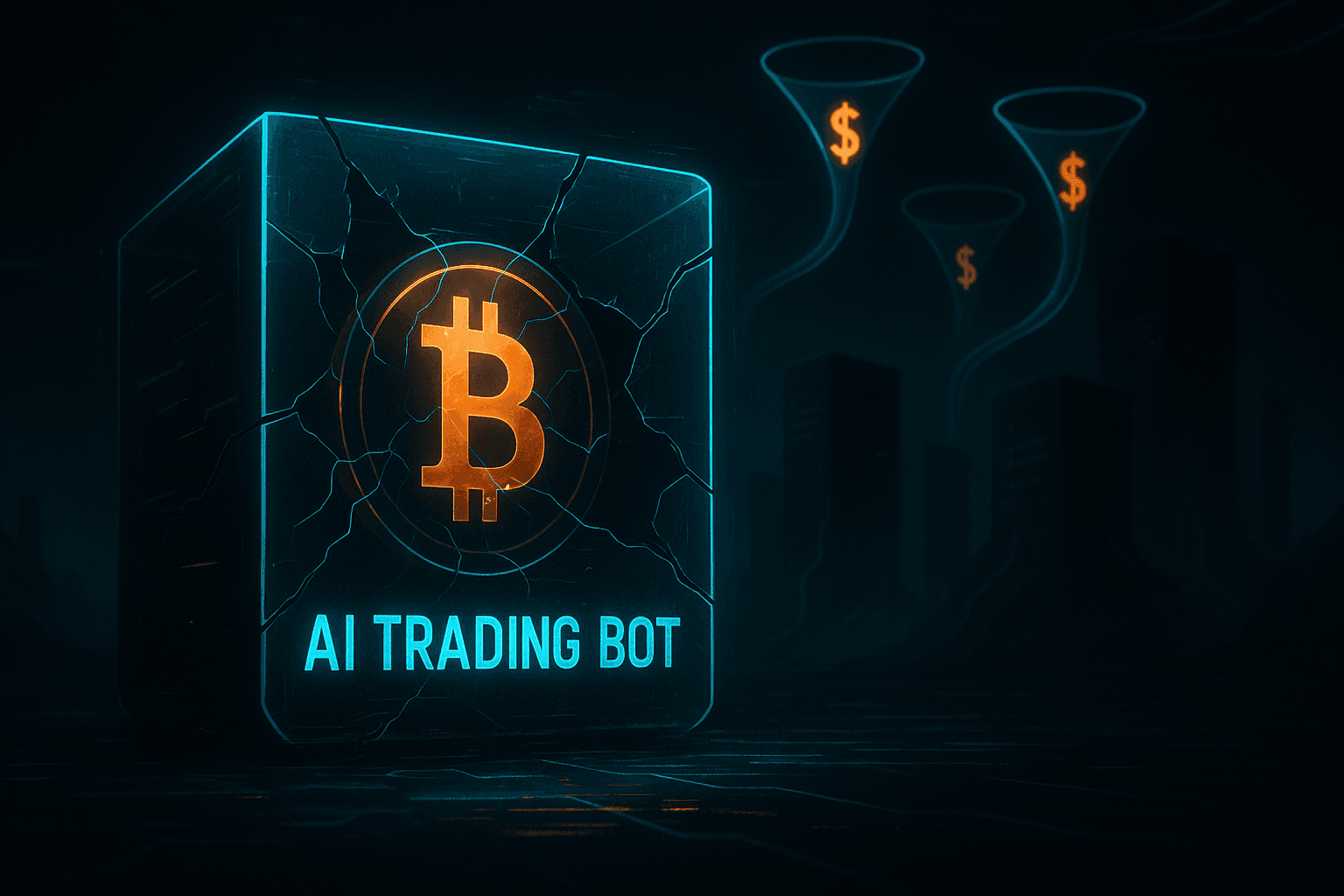
Not all bitcoin loopholes are harmless arbitrage opportunities. Some platforms dress up common scam tactics as “proprietary bots” or “secret algorithms” that will supposedly guarantee massive returns. Here’s how they work and how to spot them:
How the scams operate
- They promise sky-high, risk-free profits—sometimes 5–10% daily
- They use fake testimonials and doctored screenshots to look legit
- They ask for large upfront deposits and then lock your funds
Red flags to watch for
- Guaranteed returns (real markets are unpredictable)
- Anonymous or untraceable teams—no LinkedIn profiles or tangible credentials
- Aggressive marketing: constant emails, flashy ads, celebrity endorsements that can’t be verified
Typical scam flow
- Sign up and deposit funds
- Bot “trades” on your behalf, showing you inflated account balances
- When you try to withdraw, excuses pop up: pending KYC, system maintenance, “network issues”
- Your access is cut off, or the platform disappears
Protect yourself
- Start with a tiny test deposit—never send large sums to new platforms
- Search for credible reviews on forums like BitcoinTalk or Reddit
- Check whether the service is registered with financial regulators in your country
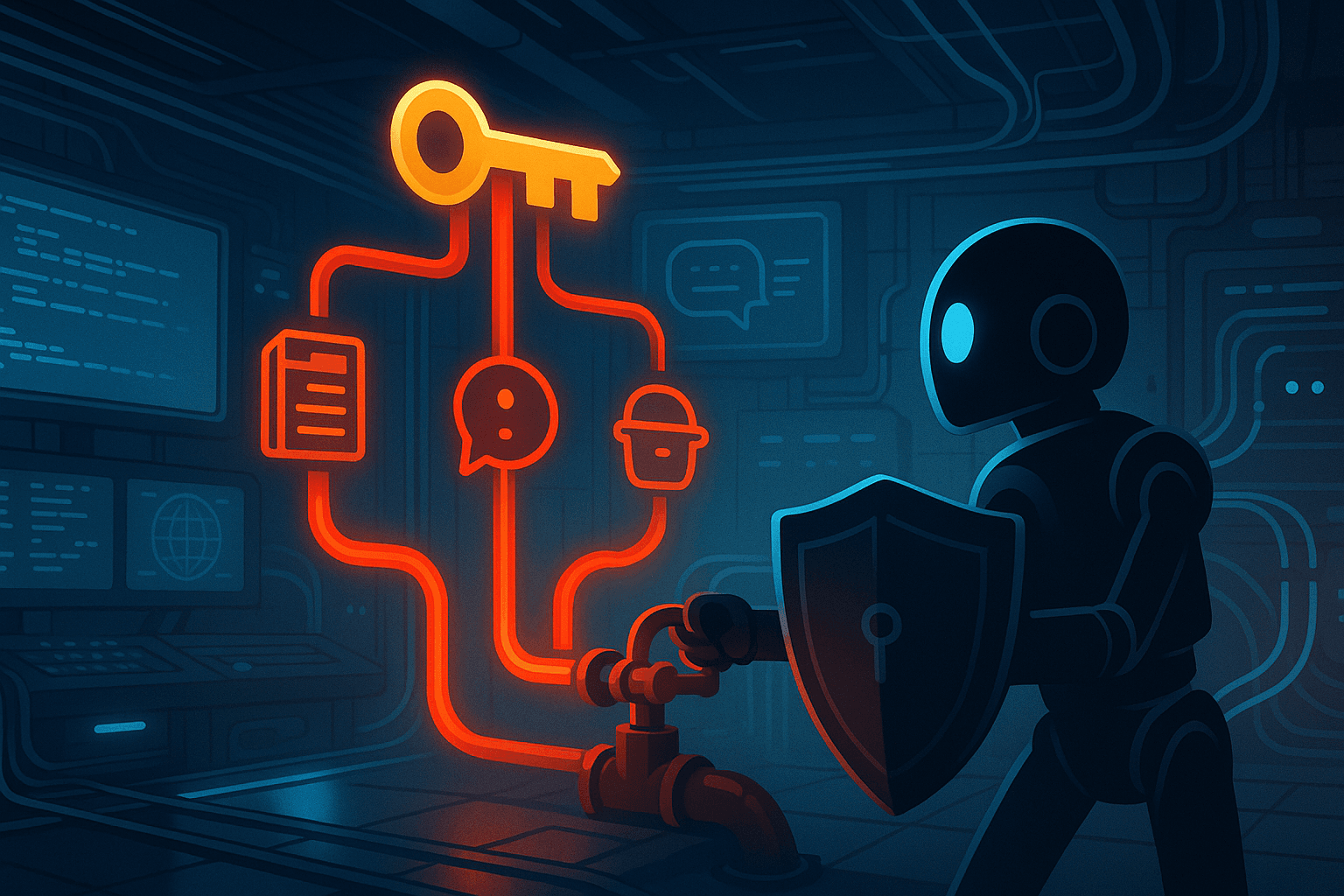
Security & Technical Risks
Even legitimate setups carry technical risks. Before you start arbitraging or using any crypto service, here’s what to consider:
Smart contract pitfalls
- Reentrancy bugs let attackers drain contracts by recursively calling withdraw functions
- Integer overflows (rare nowadays) still show up in older codebases
Oracle manipulation
- Single-source price feeds can be spoofed with flash loans
- Using multi-source, decentralized oracles (e.g., Chainlink) helps ensure accuracy
Wallet and key management
- Hot wallets (online keys) are convenient but vulnerable to hacks
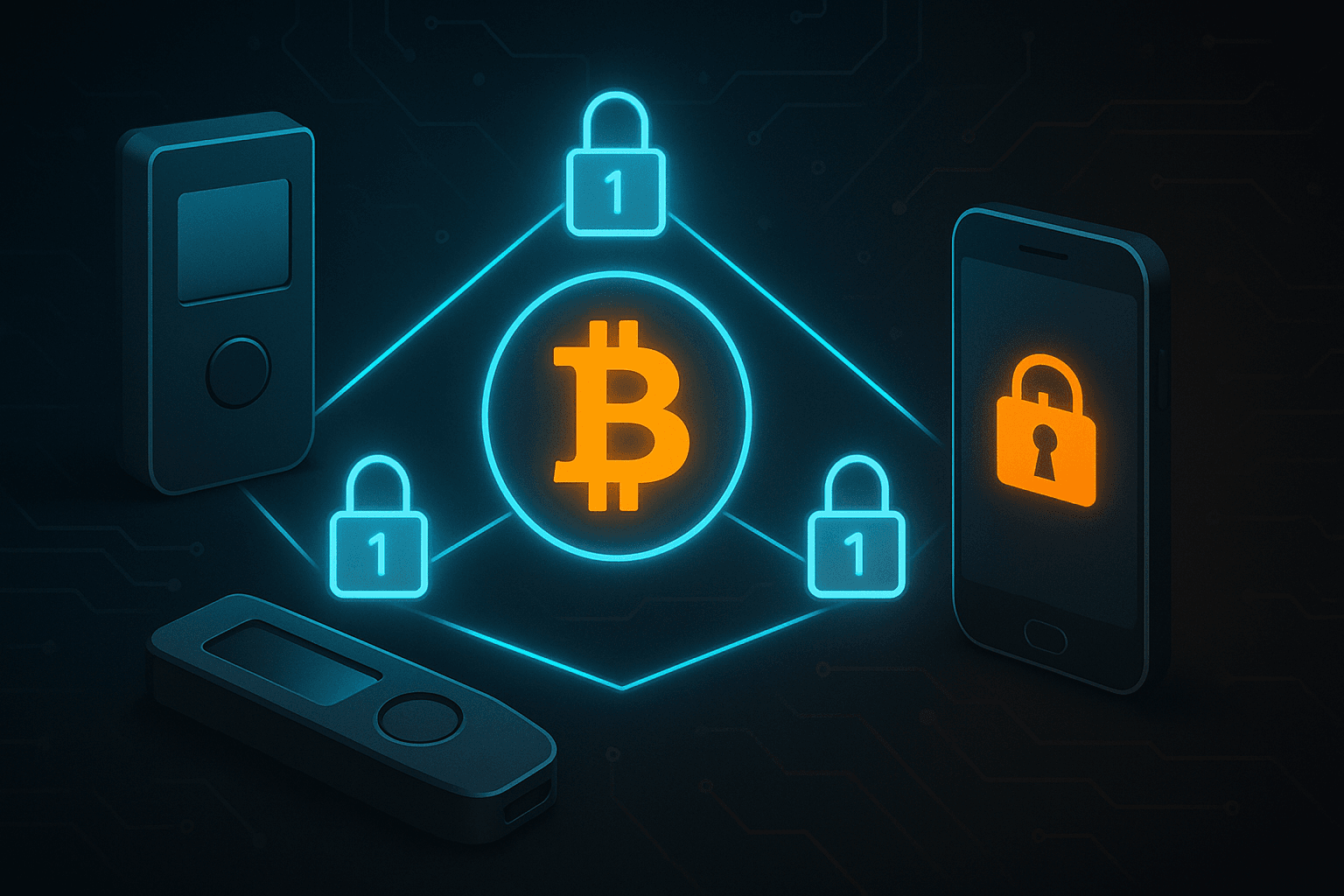
- Cold storage (hardware wallets) keeps keys offline—consider multi-signature setups
Best practices to keep funds safe
- Only use smart contracts audited by reputable firms like CertiK or OpenZeppelin
- Run or participate in bug bounty programs to surface hidden bugs
- Regularly update your software and never reuse private keys across services
By understanding both the scam tactics and the underlying technical vulnerabilities, you’ll be in a much stronger position to take advantage of genuine opportunities while keeping your assets secure.
Legal & Regulatory Considerations
Cryptocurrency rules vary widely from one country to another, and those differences can create loopholes, but also hidden risks. Here’s what to keep in mind:
Trading across borders
- Some offshore exchanges have minimal KYC (know-your-customer) and AML (anti-money-laundering) checks, making it easy to trade anonymously. That might sound appealing, but if regulators clamp down, you could find your funds frozen or the platform shut down without warning.
- Before using an exchange, check whether it’s registered with any financial authority. Even if a site isn’t based in your country, registration elsewhere can offer some transparency and dispute mechanisms.
Recent rule changes to watch
- In the European Union, the Markets in Crypto-Assets (MiCA) regulation is set to roll out in late 2025, tightening rules around stablecoins and token issuers. If you’re trading or issuing tokens in the EU, you’ll need to meet new capital requirements and disclosure standards.
- In the United States, FinCEN’s latest guidance expands AML obligations for crypto businesses, meaning more platforms will have to collect detailed user information and file suspicious-activity reports.
Tax compliance tips
- Treat each trade as a taxable event unless you live in a jurisdiction that specifically exempts certain transactions. Many countries now require you to report capital gains and losses on every crypto swap, not just when you cash out to fiat.
- Keep meticulous records. Export CSV files of your trades, withdrawals, deposits, and fees. Use portfolio-tracking software if possible. When tax season arrives, your accountant will thank you.
FAQs & Myth-busting
Q: Is there a “guaranteed” bitcoin loophole that makes huge profits with no risk?
A: No. Legitimate arbitrage bots can capture small price spreads, but markets move fast, and fees or slippage can erase gains. If someone promises 5–10 percent daily returns with no chance of loss, that’s a red flag for a scam.
Q: Can I hide my crypto gains by trading solely on offshore exchanges?
A: Trying to dodge taxes or reporting requirements by using anonymous platforms is a short-term workaround at best. Most countries are tightening oversight on offshore exchanges, and failing to report gains can lead to hefty fines or legal trouble down the line.
Q: What should I do if a smart contract I’m using gets hacked?
A: First, pause any interactions with the contract. Then, alert the project’s development team and check for an official security bulletin. If you’ve lost funds, report the hack to relevant authorities and share details on community forums to warn others.
Q: How can I stay up to date on new crypto regulations?
A: Follow reputable industry news sites, subscribe to newsletters from major law firms that specialize in blockchain, and join developer or trader communities on platforms like Discord and Telegram. Regularly reviewing official regulator websites (like the SEC, FinCEN, or ESMA) will also keep you informed.
Q: Are multi-signature wallets worth the extra setup effort?
A: Absolutely. A multi-sig wallet requires multiple private keys to authorize a transaction, which greatly reduces the risk of a single compromised key leading to a total loss. It’s a bit more work at first, but it pays off in added security.
Conclusion & Next Steps
You’ve now seen how bitcoin loopholes can range from harmless arbitrage plays to dangerous scams, and what technical or legal pitfalls to watch for. To put it all together:
- Focus on small, repeatable gains rather than chasing “get rich quick” schemes
- Build or use well-audited bots and keep your servers and code up to date
- Never ignore red flags like guaranteed returns or anonymous teams
- Document every trade and withdrawal so you can prove compliance
- Layer on security with multi-sig wallets, hardware devices, and reputable oracles
Next, take a moment to download your 5-point safety checklist. It’ll walk you through a simple audit before you ever send funds to a new platform. From there, dive into our supporting guides to deepen your skills on bot setup, smart contract auditing, and the latest regulatory changes.