Introduction:
Cryptocurrency opens the door to financial freedom, but with it comes the responsibility to protect your digital assets. Unlike traditional banks, there’s no customer support line or fraud protection if your funds are stolen. That’s why it’s essential to understand how to store crypto safely from the very beginning.
Many beginners enter the cryptocurrency space without fully grasping the vulnerability of their assets. From phishing scams and hacked exchanges to lost seed phrases, the risks are real. This blog offers practical crypto security tips to help you build a strong foundation for secure crypto storage.
Whether you’re buying Bitcoin for the first time or exploring altcoins, learning about beginner crypto security is your first step toward long-term success in the crypto world. We’ll explore wallet types, highlight common mistakes, and share expert tips for protecting cryptocurrency effectively.
By the end, you’ll know not just where to keep your coins, but how to keep them safe. Ready to take control of your crypto security? Let’s begin.
Key Takeaways
- Self-custody = self-responsibility: In crypto there’s no bank helpline—lose a key or get hacked and the funds are gone.
- Choose the right wallet: Use hot wallets only for spending money; store long-term or high-value holdings in cold (hardware) wallets.
- Avoid rookie mistakes: Never leave large balances on exchanges, store seed phrases online, skip 2-factor auth, or transact over public Wi-Fi.
- Level-up protection: Enable 2FA, keep software updated, consider dedicated “crypto-only” devices and multi-sig wallets for big stacks.
- Act fast if breached: Sweep funds to a fresh wallet, revoke suspicious permissions, and change every related password immediately. Security is an ongoing habit, not a one-off setup.
Table of Contents
Why Storing Crypto Safely Matters?
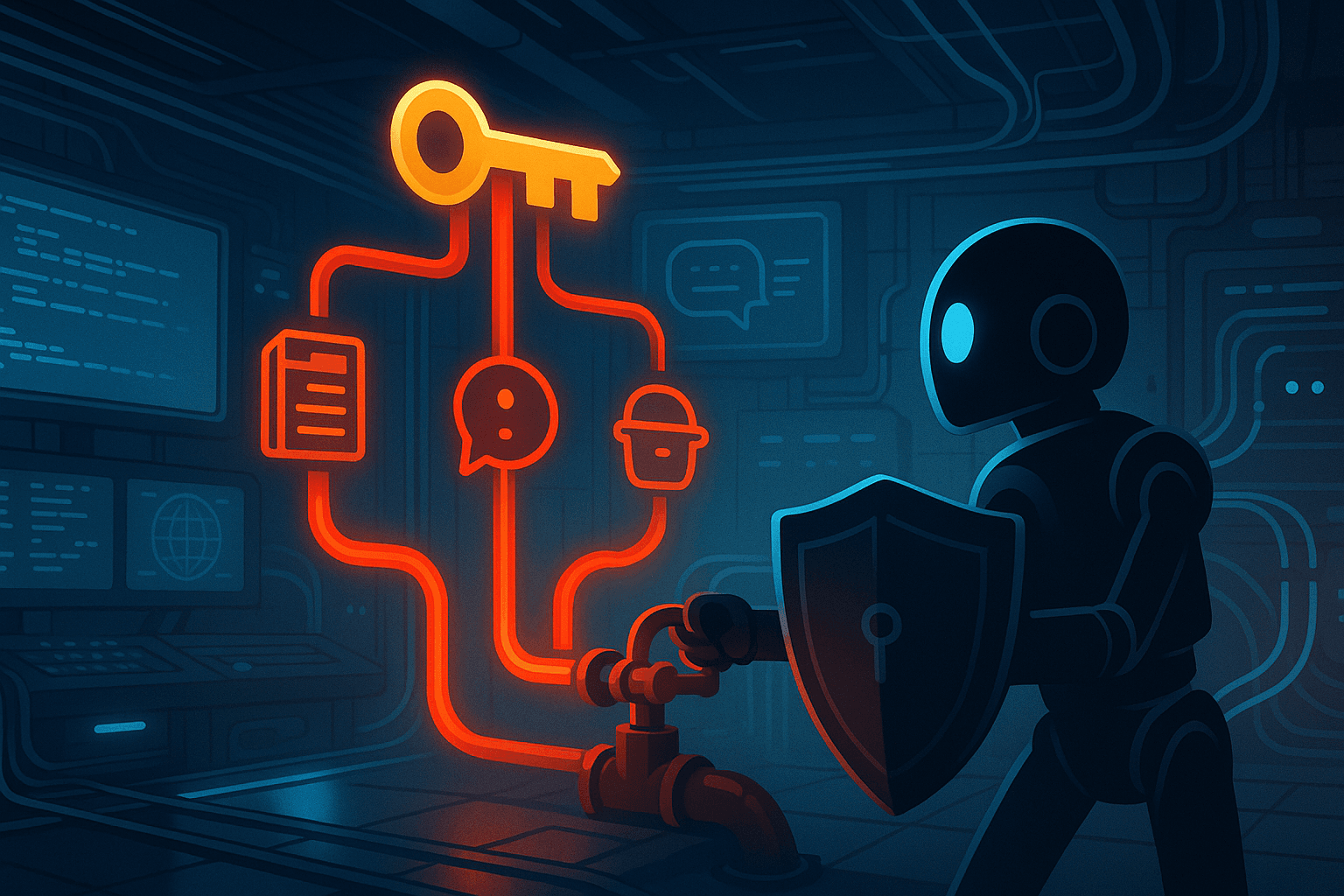
With crypto ownership comes complete control—but also full responsibility. Unlike traditional banking, there’s no safety net. One wrong move and your funds could vanish forever. Learning how to store crypto safely is the first line of defense for beginners navigating the world of digital assets.
High-Profile Hacks and Thefts in Recent Years
Crypto history is full of cautionary tales. From Mt. Gox’s infamous 2014 hack that lost over 850,000 BTC to the $600 million Poly Network breach in 2021, cybercriminals continue to exploit weak security practices. Even centralized exchanges like FTX and Binance have been targeted, exposing user funds and personal data.
These incidents highlight the urgent need for secure crypto storage. Exchanges and third-party platforms often become prime targets due to the large volumes of crypto held in hot wallets. Once hacked, recovery is nearly impossible. That’s why security experts urge users to take control and move assets into private wallets to protect cryptocurrency effectively.
Common Mistakes Made by New Investors
Many beginners fall into predictable traps when managing their crypto. These errors may seem harmless, but they can lead to irreversible losses. Below are some of the most frequent mistakes in beginner crypto security:
1. Keeping Funds on Exchanges
Storing your crypto on an exchange might seem convenient, but it’s risky. Exchanges control your private keys, meaning you don’t truly “own” your assets. If the platform goes bankrupt, is hacked, or freezes accounts, you could lose everything.
2. Neglecting Wallet Backups
A lost phone or damaged laptop can wipe out access to your wallet if you haven’t backed up your recovery phrase. Always store your seed phrase offline—in multiple safe places—and never share it digitally.
3. Falling for Phishing Attacks
Fake websites, scam airdrops, and spoofed emails can trick you into giving up your credentials. One wrong click can compromise your wallet. Always verify links and use browser bookmarks for trusted platforms.
4. Storing Seed Phrases Online
Saving private keys or seed phrases in email, cloud storage, or on your phone is a major risk. Hackers often scan devices and online accounts for sensitive information. Secure crypto storage begins with offline safety.
5. Using Unverified Wallet Apps
New investors sometimes download wallets from unofficial app stores or links. These fake apps often come embedded with malware. Stick to official websites and verify app publisher details before downloading.
6. No Two-Factor Authentication (2FA)
Skipping 2FA leaves your exchange or wallet account vulnerable. Even if a hacker gets your password, they’ll be blocked by an extra verification layer, so always enable it.
Mistakes like these are avoidable. By learning the basics and applying key crypto security tips, you can drastically reduce the chances of loss.
Emphasize Personal Responsibility in Decentralized Finance
In decentralized finance (DeFi), there’s no central authority to rely on. You are your own bank—and that means full responsibility for your crypto’s safety. There’s no customer support to help if you lose access or fall for a scam.
Understanding how to store crypto safely empowers you to make informed decisions, especially in a self-custodial environment. With great freedom comes great responsibility, and that’s where protecting cryptocurrency becomes non-negotiable. Being proactive with beginner crypto security isn’t just smart—it’s essential for anyone serious about long-term success in the crypto space.
Cryptocurrency Wallets: Types You Should Know
When it comes to safeguarding your digital assets, choosing the right crypto wallet is as essential as the investments themselves. Not all wallets are created equal—they differ in security, accessibility, and control. To help you navigate the options, here’s a comprehensive breakdown of the different types of wallets based on custody, connectivity, and functionality.
Based on Custody
1. Custodial Wallets
A custodial wallet is managed by a third-party service such as a cryptocurrency exchange or a wallet provider. In this setup, the platform holds and manages your private keys on your behalf. That means if you forget your password, you may still recover your funds—an advantage for newcomers or those looking for ease of use.
However, the trade-off is that you relinquish control. If the exchange gets hacked or shuts down, your funds could be at risk. Custodial wallets are often used for frequent trading, staking, or storing small amounts for short-term access.
Best for: Beginners, traders, and users who prioritize convenience over full control.
2. Non-Custodial Wallets
With non-custodial wallets, you are in full control of your private keys and funds. No third party can access your crypto, meaning it’s truly yours. These wallets are essential for users who prioritize privacy, autonomy, and long-term storage. But with great power comes great responsibility. If you lose your seed phrase or private key, there’s no customer support to help you retrieve your assets.
Best for: Experienced users, HODLers, and privacy-focused individuals.
Based on Connectivity
1. Hot Wallets
Hot wallets are connected to the internet and are designed for quick and easy access to your cryptocurrencies. They are ideal for frequent transactions, trading, or using DeFi and dApps. Common hot wallets include browser extensions (like MetaMask), mobile apps, and desktop wallets.
While convenient, hot wallets are more vulnerable to phishing attacks, malware, and hacking attempts. It’s recommended to store only a small portion of your holdings in a hot wallet, just like you wouldn’t carry all your cash in your daily wallet.
Best for: Active traders, everyday transactions, and DeFi users.
2. Cold Wallets
In contrast, cold wallets are completely offline. By disconnecting from the internet, they significantly reduce the risk of cyberattacks, making them the most secure way to store crypto long-term.
Hardware wallets like Ledger and Trezor are popular options. They require physical confirmation for each transaction, which adds an extra layer of protection. Paper wallets—printouts of your keys or QR codes—are also a form of cold storage, though they come with risks like damage or misplacement.
Best for: Long-term investors, large holdings, and those prioritizing security.
To dive deeper into the pros and cons of internet-connected vs. offline wallets, check out our detailed guide: Understanding Crypto Wallets: Hot vs. Cold Storage.
Based on Storage Medium
1. Software Wallets
These are digital applications installed on your phone or computer. Software wallets offer a user-friendly interface and features like transaction history, QR scanning, and built-in swaps. However, their security depends on the device’s integrity. If your phone or computer is compromised, so is your wallet. Always ensure you’re downloading from a trusted source and keep your software updated.
Best for: Daily use, convenience, and quick transfers.
2. Hardware Wallets
A hardware wallet is a physical device that stores your private keys offline. Even if connected to a compromised computer, your keys remain secure inside the hardware. These wallets are ideal for storing large amounts of crypto and are widely regarded as the gold standard for security. The upfront cost is well worth the peace of mind for serious investors.
Best for: High-value investors and anyone concerned about security.
3. Paper Wallets
A paper wallet involves printing your public and private keys on paper or writing them down. Since they are completely offline, they can’t be hacked. However, they’re also easy to damage, lose, or destroy—so they require secure physical storage like a safe.
Best for: Ultra-cold storage and minimal interaction with digital devices.
Based on Functionality
1. Single-Currency Wallets
These wallets support only one type of cryptocurrency, most often Bitcoin. They’re optimized for one chain and usually offer specialized features, better performance, or enhanced security for that specific coin.
Best for: Bitcoin purists or users committed to one blockchain.
2. Multi-Currency Wallets
Multi-crypto wallets allow users to manage different cryptocurrencies from one interface. Whether you hold BTC, ETH, or multiple ERC-20 tokens, these wallets simplify portfolio management without the need for multiple apps.
Best for: Diversified investors and those exploring various blockchain ecosystems.
Recommended Wallets for Beginners

Choosing the right wallet is a key step in learning how to store crypto safely. With countless wallet options out there, beginners often struggle to find one that balances security, ease of use, and reliability. Below, we break down essential criteria to help you identify the best wallet for your needs and introduce beginner-friendly options that support secure crypto storage from day one.
Read more about wallets: Best Crypto Wallets for Beginners 2025
Before committing to a crypto wallet, consider the following criteria to ensure you’re making a safe and convenient choice:
1. Ease of Use
As a beginner, you need a wallet that’s intuitive and user-friendly. The interface should be simple, with clear navigation for sending, receiving, and managing assets. Look for wallets that provide visual guidance and tutorials to help you get started confidently.
Top picks:
- Trust Wallet: Great for mobile users with a clean interface.
- Coinbase Wallet: Syncs well with your Coinbase account and DeFi tools.
The easier it is to use, the less likely you are to make errors, which is vital for beginner crypto security.
2. Backup Support
A reliable wallet must allow for easy backup and recovery. This usually comes in the form of a 12- or 24-word seed phrase. But some wallets also offer encrypted cloud backups or optional multi-device syncing features that support protecting cryptocurrency without compromising control.
Things to check:
- Clear backup instructions at setup
- Support for offline seed phrase storage
- Option to restore your wallet on a new device using recovery words
Without strong backup support, even the best wallet can become a liability.
3. Reputation
Trust is earned in the crypto space. Stick with wallets that have a proven track record, transparent development teams, open-source code, and strong user reviews. Avoid lesser-known apps with few downloads or sketchy permissions. Check forums, review sites, and Reddit threads to see how users rate the wallet in real-world scenarios.
Look for wallets with:
- Regular updates and active development
- Transparent security audits
- Millions of downloads or wide industry recognition
A good reputation often translates into better ongoing crypto security tips from the community and developers.
4. Security Features
Even if a wallet is simple to use, it must still prioritize security. Multi-factor authentication (MFA), biometric login, PIN code protection, and encrypted key storage are all important. Some wallets also integrate hardware wallet support, adding another layer of defense.
Example features to look for:
- Biometric fingerprint/face ID login
- Optional password encryption for private keys
- Secure dApp browser (for DeFi users)
- Wallet connect compatibility
Choosing a wallet with strong built-in security helps ensure secure crypto storage without requiring technical expertise.
5. Cross-Platform Access
If you switch between mobile and desktop, make sure your wallet supports both platforms. Some wallets even allow you to sync across devices, making it easier to manage your crypto on the go while staying safe.
Cross-device favorites:
- MetaMask (browser + mobile)
- Exodus (desktop + mobile with portfolio features)
Flexibility adds convenience, especially when you’re learning how to store crypto safely without compromising your workflow.
Common Crypto Security Mistakes to Avoid As a Beginner
Even if you’ve chosen a reliable wallet and understand how to store crypto safely, small mistakes can still expose your assets to unnecessary risks. Many beginners fall into traps that can lead to permanent loss of funds. Below are some of the most common crypto security missteps—and how to avoid them.
Storing Seed Phrases in Email or Cloud Storage
One of the most dangerous habits is saving your seed phrase or private key in a digital format. It may seem convenient to store it in your Gmail drafts, Google Drive, Dropbox, or on a note-taking app—but this makes you a prime target for hackers.
Cybercriminals often use malware to scan cloud services and email accounts for sensitive data. If they gain access to your seed phrase, they can drain your wallet instantly, and there’s no way to recover the funds.
Beginner Tip:
Write down your seed phrase physically and store it in a fireproof, waterproof place. For added safety, use metal storage plates and keep multiple backups in different locations.
Using Public Wi-Fi While Transacting
Public Wi-Fi is convenient, but it’s also a high-risk environment for making crypto transactions. Free networks in cafes, airports, and hotels are vulnerable to man-in-the-middle (MITM) attacks, where hackers intercept your internet activity and steal sensitive information. Even something as simple as checking your wallet balance or logging into an exchange can expose your credentials.
Beginner Tip:
Avoid making transactions on public networks. If you must, use a virtual private network (VPN) to encrypt your connection and keep your activities hidden.
Falling for Fake Wallet Apps or Phishing Sites
Scammers often create fake versions of popular wallet apps or impersonate official websites to steal users’ funds. These fraudulent platforms may look nearly identical to the real ones but are designed to trick you into entering your seed phrase or login credentials. Phishing is one of the most common forms of attack in crypto, and beginners are the most frequent victims.
Beginner Tip:
- Always download wallet apps from verified sources like official websites or trusted app stores.
- Bookmark the official sites of your wallets or exchanges.
- Never click on links from suspicious emails or social media ads.
Learn more: Common Cryptocurrency Scams and How to Avoid Them
Ignoring Software Updates
Many people delay or avoid updating their wallet apps or operating systems, assuming they work fine as is. However, updates often contain critical security patches that fix vulnerabilities hackers can exploit. Running outdated software leaves your wallet open to malware, keyloggers, and other threats.
Beginner Tip:
Enable automatic updates for your wallet, operating system, and antivirus tools. Make it a habit to keep everything current.
Not Using Two-Factor Authentication (2FA)
Relying solely on passwords is risky in crypto. If someone gains access to your Exchange account or wallet login, 2FA provides an extra layer of protection.
Beginner Tip:
Skipping 2FA—or using SMS-based 2FA, which is easier to hijack. Instead, use app-based options like Google Authenticator or Authy for stronger protection.
Sharing Wallet Details or Screenshots Online
It might be tempting to show off your portfolio gains on social media, but posting wallet addresses, QR codes, or app screenshots invites trouble. Malicious actors can trace your wallet activity or use the information in targeted phishing attacks.
Beginner Tip:
Keep your wallet information private, both offline and online. Treat it like you would your ATM PIN or bank password.
Additional Security Measures
Once you’ve chosen the right wallet and avoided beginner mistakes, it’s time to level up your crypto safety game. If you’re serious about learning how to store crypto safely, these advanced yet beginner-friendly practices can add strong layers of protection to your overall secure crypto storage strategy.
1. Multi-Sig Wallets for Added Protection
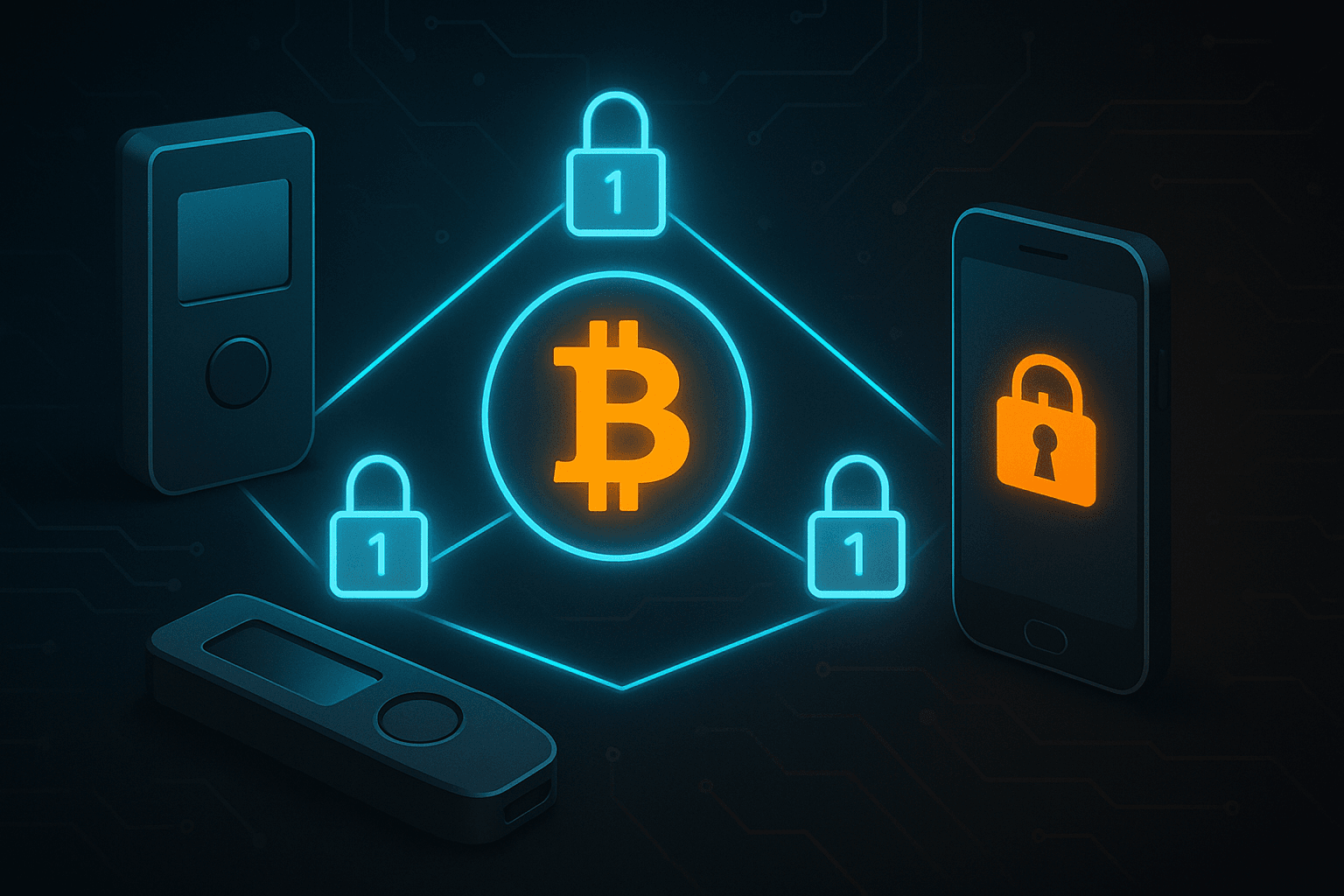
Multi-signature (multi-sig) wallets require more than one private key to authorize a transaction. Think of it as a joint account where multiple approvals are needed before funds can move. This is especially useful for storing large amounts of cryptocurrency or managing wallets shared by teams or families.
For example, a 2-of-3 multi-sig setup means any two out of three authorized users must approve a transaction before it goes through.
Benefits for Beginners:
- Reduces the risk of a single point of failure.
- Prevents immediate loss in case one key is compromised.
- Ideal for long-term or cold storage scenarios.
Platforms like Electrum, Casa, and BitGo offer user-friendly multi-sig wallet options.
2. Using a Dedicated Device for Crypto Only
One of the smartest crypto security tips for beginners is to use a separate device—such as an old smartphone, tablet, or laptop—exclusively for crypto transactions and wallet access. Keeping your crypto activities isolated reduces exposure to malware, keyloggers, and phishing attempts that often target multi-use devices.
How does this help with protecting cryptocurrency?
- Limits attack vectors from daily browsing or downloads.
- Easier to control updates and access permissions.
- Increases privacy and reduces digital footprint.
Be sure to disable unnecessary features like Bluetooth, install only essential apps, and never use the device on unsecured networks.
3. Keeping Software Updated
Outdated software can leave you vulnerable to bugs, hacks, and exploits. Whether you’re using a hardware wallet, browser extension, or mobile app, developers regularly release updates to patch security issues and improve stability.
Make it a habit to:
- Enable automatic updates where possible.
- Keep your wallet software, operating system, and antivirus tools current.
- Recheck permissions and installed apps every few months.
Even a small lapse here can threaten your entire portfolio, so maintaining your digital hygiene is crucial to beginner crypto security.
What to Do if You Suspect a Breach?
Despite your best efforts to store crypto safely, breaches can happen. Whether it’s a stolen device, a suspicious transaction, or unusual login activity, acting quickly can be the difference between minimizing damage and losing everything.
Immediate Steps to Take
Step 1. Transfer Your Funds Immediately
If you believe your wallet is compromised, don’t wait. Move your assets to a newly created wallet with fresh seed phrases. This cuts off access before further damage can occur.
Step 2. Revoke App Permissions
Many DeFi platforms and wallets allow you to connect and authorize third-party apps. Use tools like Revoke.cash to cancel any unwanted or suspicious permissions that might give external apps access to your funds.
Step 3. Change All Passwords
Update passwords for your wallet app, email, and any connected exchange accounts. Use strong, unique passwords and consider enabling two-factor authentication (2FA) if it’s not already active.
Tools to Track Suspicious Activity
Use blockchain explorers like Etherscan, Blockchain.com, or Blockchair to trace suspicious wallet activity. These tools let you monitor addresses in real time and flag unusual transactions.
For broader scam detection, websites like ScamSniffer, Chainabuse, or CryptoScamDB help identify known scam wallets, phishing domains, and malicious projects.
Reacting fast can save your remaining funds and help you restore control over your wallet. More importantly, use the experience to reinforce your secure crypto storage setup and review all your current practices for protecting cryptocurrency in the future.
FAQs
What is the safest way to store crypto for beginners?
The safest way to store crypto safely as a beginner is by using a non-custodial wallet with strong backup and security features. For large holdings, a hardware wallet (cold storage) is recommended. Always keep your seed phrase offline and never share your private keys.
Are hot wallets safe for everyday use?
Hot wallets are safe for small, daily transactions but come with online exposure risks. To ensure secure crypto storage, use hot wallets only for limited funds and enable security features like two-factor authentication (2FA) and PIN protection.
What should I do if I lose my seed phrase?
If you lose your seed phrase and still have access to the wallet, immediately create a new wallet and transfer your funds. Without the seed phrase, you cannot recover access if the device is lost. This highlights the importance of protecting cryptocurrency with proper backups.
Can I store my crypto on an exchange?
You can, but it’s not ideal for long-term storage. Exchanges are custodial and may freeze accounts or suffer security breaches. For better crypto security, withdraw assets to a private wallet where you control the keys.
How do I know if a crypto wallet app is legitimate?
Only download wallet apps from official websites or trusted app stores. Check reviews, number of downloads, and the app developer’s name.
Conclusion
In the world of digital assets, knowing how to store crypto safely isn’t optional—it’s essential. As a beginner, taking proactive steps toward secure crypto storage will protect your investments and give you peace of mind. From choosing the right wallet to avoiding common mistakes like saving seed phrases online or using public Wi-Fi, every small decision can have a big impact on your crypto security.
Remember, in decentralized finance, you are your own bank. That means the responsibility of protecting cryptocurrency lies solely with you. Fortunately, with the right tools—multi-sig wallets, trusted platforms, strong backups, and awareness of scams and threats- securing your digital assets is entirely within reach.
Take what you’ve learned here and apply it immediately. Audit your current wallet setup, review your seed phrase storage, and commit to better practices.
Security isn’t a one-time task—it’s an ongoing habit. Start building that habit today.