Introduction:
Cryptocurrency continues to draw new investors looking to ride the wave of digital finance. But for first-time investors, one of the most pressing questions is: how much to invest in crypto to get started safely and wisely. With the market’s volatility and its mix of opportunities and risks, understanding the right approach is more important than ever.
Whether you’re exploring your first Bitcoin purchase or dabbling in altcoins, identifying your beginner crypto investment amount can set the tone for your long-term financial journey. Instead of diving in blindly, it’s essential to take a calculated route, considering your risk tolerance, financial readiness, and goals for the future.
This guide is designed to help you make smart, informed decisions before investing a single dollar. From investing small amounts in crypto to creating a safe crypto investment strategy, we’ll cover everything you need to know to build a solid foundation. If you’re brand new, start with our article on How to Start Investing in Cryptocurrency for a beginner-friendly overview.
Key Takeaways:
- Only invest money you can afford to lose—never tap into essential savings.
- Build a 3–6 month emergency fund before putting anything into crypto.
- Aim to allocate just 1–5% of your overall portfolio to cryptocurrency as a beginner.
- Start with small dollar amounts (e.g., $50–$250) or use dollar-cost averaging to spread risk.
- Diversify your holdings: 60–70% in Bitcoin/Ethereum, 20–30% in mid-cap coins, 5–10% in high-risk projects.
- Store long-term assets in hardware wallets and split exchange balances to reduce custodial risk.
- Watch out for red flags: guaranteed returns, anonymous teams, missing whitepapers, and Ponzi-style hype.
- Stay compliant by tracking all trades, understanding local tax rules, and consulting a crypto-savvy accountant.
Table of Contents
Understanding Your Financial Readiness
Before deciding how much to invest in crypto, it’s important to assess your overall financial health. Cryptocurrencies are high-risk assets, and their values can fluctuate drastically, even within a single day. For beginners, a stable foundation is crucial before putting any money into the crypto market.
1. Only Invest What You Can Afford to Lose
This golden rule of crypto investing cannot be overstated. Unlike traditional assets, the crypto market is still evolving, and its volatility means potential gains come with potential losses. If losing your investment would affect your rent, groceries, or ability to pay bills, it’s not worth the risk. Your beginner crypto investment amount should come from surplus funds, not essential savings.
2. Build an Emergency Fund First
Before entering any form of investment, especially one as unpredictable as crypto, ensure you have an emergency fund in place. Ideally, this should cover 3 to 6 months’ worth of living expenses. This gives you a safety net, so your crypto investments don’t become a burden in the event of unexpected expenses. Without this backup, even a safe crypto investment could end up causing financial strain.
3. Make Sure You Have a Stable Income
Crypto should never be seen as a substitute for stable income. Think of it as a supplement to your existing financial plan. If your monthly earnings are inconsistent or uncertain, it’s better to wait before jumping in. Knowing how much to invest in crypto also depends on whether your income can comfortably support your financial responsibilities.
4. A Smart Starting Point: 1–5% of Your Portfolio
For beginners, many financial experts recommend allocating just 1% to 5% of your total investment portfolio to crypto. This percentage allows exposure to potential upside while minimizing the downside risk. This approach encourages investing small amounts in crypto as a way to learn and observe how the market behaves without taking on excessive risk.
Creating a well-thought-out crypto portfolio allocation starts by understanding your financial readiness. Being cautious upfront doesn’t mean missing out—it means building a strong foundation for long-term success. Crypto investing rewards patience, strategy, and discipline far more than impulse and risk-taking.
Factors to Consider Before Allocating Funds

Before deciding how much to invest in crypto, beginners need to go beyond numbers and evaluate the personal, emotional, and strategic factors that influence investment decisions. Even with a solid emergency fund and stable income, the right amount to invest isn’t one-size-fits-all—it depends on your situation. Let’s break down the key factors to weigh before determining your beginner crypto investment amount.
Assessing Your Risk Tolerance
The cryptocurrency market is known for its extreme volatility. Prices can soar or crash within hours, and not every investor is emotionally prepared for that level of uncertainty. Understanding your risk appetite is critical before making any financial commitments.
Ask yourself: How comfortable are you with losing a portion—or all—of your investment? If a 30% drop in your portfolio value would cause panic, you may want to stick to safe crypto investment strategies and start small.
Clarifying Your Investment Goals
Are you in crypto for the long haul, or are you aiming for quick profits? Your investment goals should shape your allocation strategy. Those targeting long-term gains might choose blue-chip coins like Bitcoin or Ethereum and apply a dollar-cost averaging method. On the other hand, if you’re looking for short-term profits, you might explore altcoins or trading, but with greater risk.
Knowing how much to invest in crypto also depends on your desired outcomes. Long-term investors often benefit from small, consistent contributions, while short-term traders may allocate a slightly higher percentage, though only if they can handle potential losses.
Align your crypto journey with your financial vision. Whether you’re investing small amounts in crypto to build wealth over time or aiming for fast gains, your goals must be clear and realistic.
Preparing for Market Volatility and Emotional Ups and Downs
Crypto’s volatility is not just a financial challenge—it’s an emotional one. A sudden market crash can lead to panic selling, while bull runs can tempt investors into overcommitting. Emotional control is as important as analytical skills.
Before allocating funds, consider how you typically respond to financial stress. Can you stay calm during a downturn? Will you resist the FOMO during price surges?
Creating a safe crypto investment strategy includes developing the discipline to stick with your plan, no matter the noise. Emotional resilience can often be the difference between success and failure in this market.
Time Commitment for Research and Portfolio Management
While some investors take a passive approach, others prefer actively managing their assets. No matter your style, crypto demands at least a basic commitment to research. This includes following market trends, understanding project fundamentals, and tracking your portfolio performance.
If you’re pressed for time, it may be wiser to begin with a conservative crypto portfolio allocation and stick to well-established coins. As you become more familiar and confident, you can gradually explore other assets and adjust your strategy.
Determining how much to invest in crypto also involves understanding how much time you can dedicate to learning. Passive investors should focus on stability, while active participants might diversify more aggressively—but only if they’re willing to monitor and manage their investments closely.
Starting Small: How Much is “Enough” for a Beginner?

When entering the crypto market for the first time, it’s easy to get caught up in the hype. Stories of overnight millionaires and skyrocketing altcoins flood social media, often tempting beginners to invest more than they should. But smart investors know that starting small is not just safer—it’s strategic. Understanding how much to invest in crypto as a beginner starts with embracing discipline, planning, and gradual exposure.
Realistic Starting Points
The good news is: you don’t need thousands of dollars to begin your crypto journey. Thanks to fractional ownership, you can buy a portion of a cryptocurrency like Bitcoin or Ethereum with as little as $10 on most exchanges.
$50
Perfect for absolute beginners testing the waters. It lets you explore the buying process, understand wallet setups, and start watching price trends—all with minimal risk.
$100–$250
A comfortable beginner crypto investment amount that allows slight diversification. You can hold a primary coin like BTC or ETH and a small portion in an altcoin to observe different price movements.
$500
Offers a broader view of the market. With this, you can start exploring a proper crypto portfolio allocation, distributing funds across multiple coins, and even trying out exchanges or basic tools for tracking performance.
The goal here isn’t massive profit—it’s exposure, experience, and learning. The amount you start with should depend on your financial readiness, risk appetite, and comfort level.
Why Dollar-Cost Averaging (DCA) Works?
One of the most beginner-friendly strategies in crypto is dollar-cost averaging (DCA). Rather than investing a lump sum, DCA spreads your investment over time—such as investing $50 every month—regardless of market conditions.
This approach helps reduce the impact of volatility by avoiding poorly timed entries. It’s a smart tactic, especially when you’re unsure how much to invest in crypto up front. Instead of waiting for the “perfect moment,” DCA ensures consistent market exposure without emotional decision-making.
For example, rather than investing $300 all at once, investing $50 per week for six weeks provides price averaging. This cushions you against sudden dips and eliminates the need to time the market—something even professionals struggle with.
DCA is particularly useful when investing small amounts in crypto because it instills discipline while reducing emotional biases tied to short-term price swings.
Avoiding “All-In” Mistakes and Hype Traps
One of the most common pitfalls for beginners is going “all in” based on hype, often sparked by social media, celebrity endorsements, or viral news. This approach is dangerous, especially in crypto, where FOMO (fear of missing out) can drive impulsive decisions.
Here’s what can go wrong:
- Buying at the top of a price surge, only to watch your investment decline.
- Overexposure to one coin, leading to significant losses if that asset crashes.
- Emotional investing, where panic-selling and regret replace sound judgment.
Instead of reacting to hype, it’s better to follow a steady, informed plan. This includes sticking to a safe allocation, being cautious with unknown altcoins, and doing your research before each buy. If you’re wondering how much to invest in crypto, the safest answer is always: enough to learn, not enough to lose sleep over.
Smart Investing Begins with Restraint
Crypto investing doesn’t require big capital it requires smart capital. Whether you’re putting in $50 or $500, your real advantage lies in education, consistency, and caution. The right beginner crypto investment amount allows you to learn without risking your financial stability.
By investing small amounts in crypto, applying dollar-cost averaging, and steering clear of “get rich quick” schemes, you give yourself the space to understand the market on your terms. This approach not only builds experience, it builds confidence for the future.
How to Allocate Your Investment Wisely?
Once you’ve determined how much to invest in crypto, the next step is figuring out how to allocate that amount in a smart and balanced way. Allocation is more than just picking coins—it’s about managing risk, spreading your exposure, and preparing for both gains and losses. A well-diversified portfolio not only reduces potential downsides but also gives you a clearer understanding of how different segments of the crypto market perform.
The right crypto portfolio allocation for beginners should prioritize security, gradual learning, and exposure to different types of assets based on their market behavior and reliability. Below is a suggested beginner-friendly framework that balances safety and exploration.
1. 60–70% in Blue-Chip Coins: Bitcoin (BTC) and Ethereum (ETH)
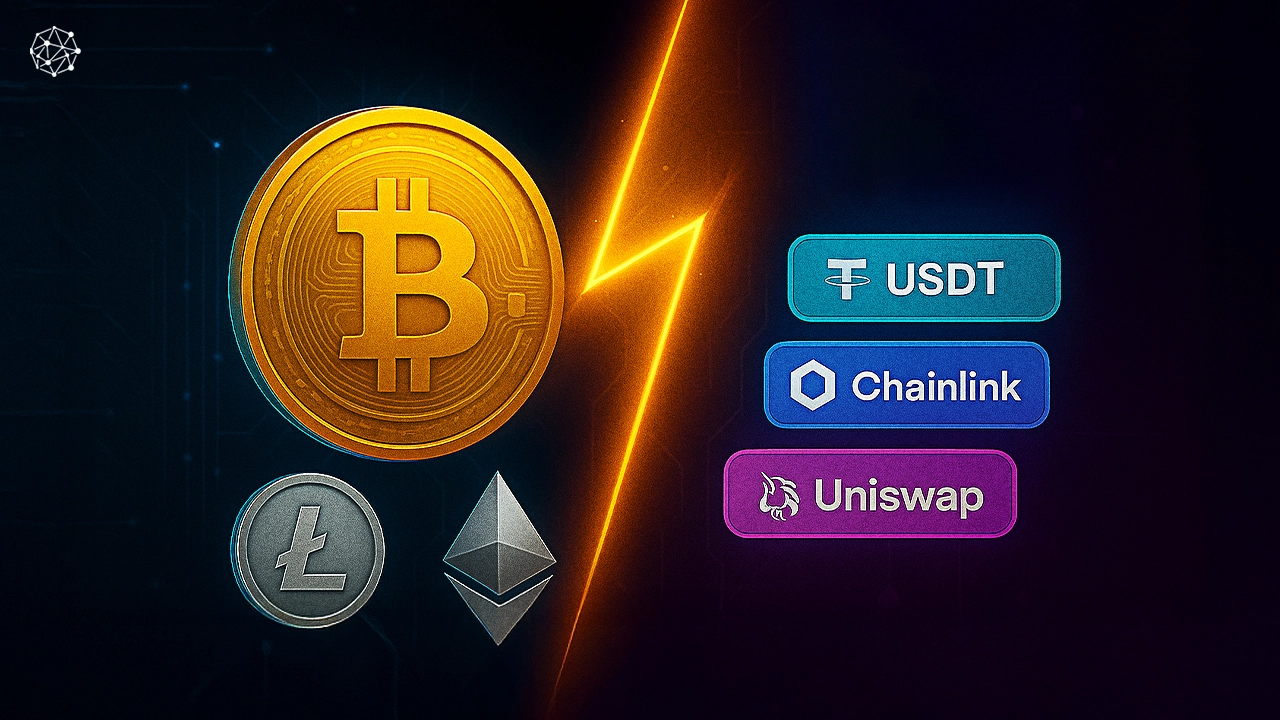
The majority of your crypto investment should go into assets with a proven track record. These are commonly referred to as blue-chip coins, and Bitcoin and Ethereum are by far the most recognized and widely adopted among them.
- Bitcoin (BTC) is the oldest and most valuable cryptocurrency. It’s often seen as “digital gold” and a store of value.
- Ethereum (ETH) powers the largest smart contract platform and is central to the world of decentralized applications (dApps), NFTs, and DeFi.
Allocating 60–70% of your beginner crypto investment amount to these two coins provides a solid foundation. Their historical performance, market dominance, and wide acceptance make them relatively safer bets for new investors. While they’re still volatile, they’re far less speculative compared to newer or lesser-known tokens.
When you’re deciding how much to invest in crypto, consider putting the bulk of your funds into BTC and ETH to build stability into your portfolio.
2. 20–30% in Mid-Cap Coins
Mid-cap coins typically include established projects that are past the speculative stage but still have room to grow. These assets tend to be more volatile than BTC or ETH but also offer higher upside potential.
Some examples include:
- Polygon (MATIC) – known for scaling Ethereum and reducing transaction costs
- Chainlink (LINK) – a decentralized oracle network connecting smart contracts to real-world data
- Litecoin (LTC) – one of the earliest Bitcoin alternatives with faster transaction speeds
These projects have strong communities, active development teams, and clear use cases. Dedicating 20–30% of your portfolio to such coins helps you balance risk and reward. It allows room for higher returns without being overly aggressive. This portion of your safe crypto investment plan should still be well-researched and updated regularly as the market evolves.
3. 5–10% in Emerging Tokens or DeFi Projects
This is your “exploration zone.” With 5–10% of your crypto investment, you can engage with newer, high-risk-high-reward assets, like recently launched tokens, DeFi platforms, or utility coins for niche applications.
While these coins can deliver impressive short-term returns, they’re also highly speculative. Many may not survive long-term. Only allocate a small percentage of your investment here, and make sure to thoroughly research each project before putting in any money.
Be cautious of:
- Projects with vague roadmaps
- Limited transparency about the team
- No working product or user adoption
- Overly aggressive marketing or promises of guaranteed returns
This part of your allocation can serve as a hands-on learning lab, giving you exposure to different crypto ecosystems and tools.
4. Distributing Funds Across Wallets and Exchanges
Once you’ve planned your allocation, the next step is safeguarding your assets. Keeping all your crypto in one place—especially on a single exchange—is risky. Hackers, outages, or exchange shutdowns can jeopardize your entire investment.
Here’s how to safely manage your holdings:
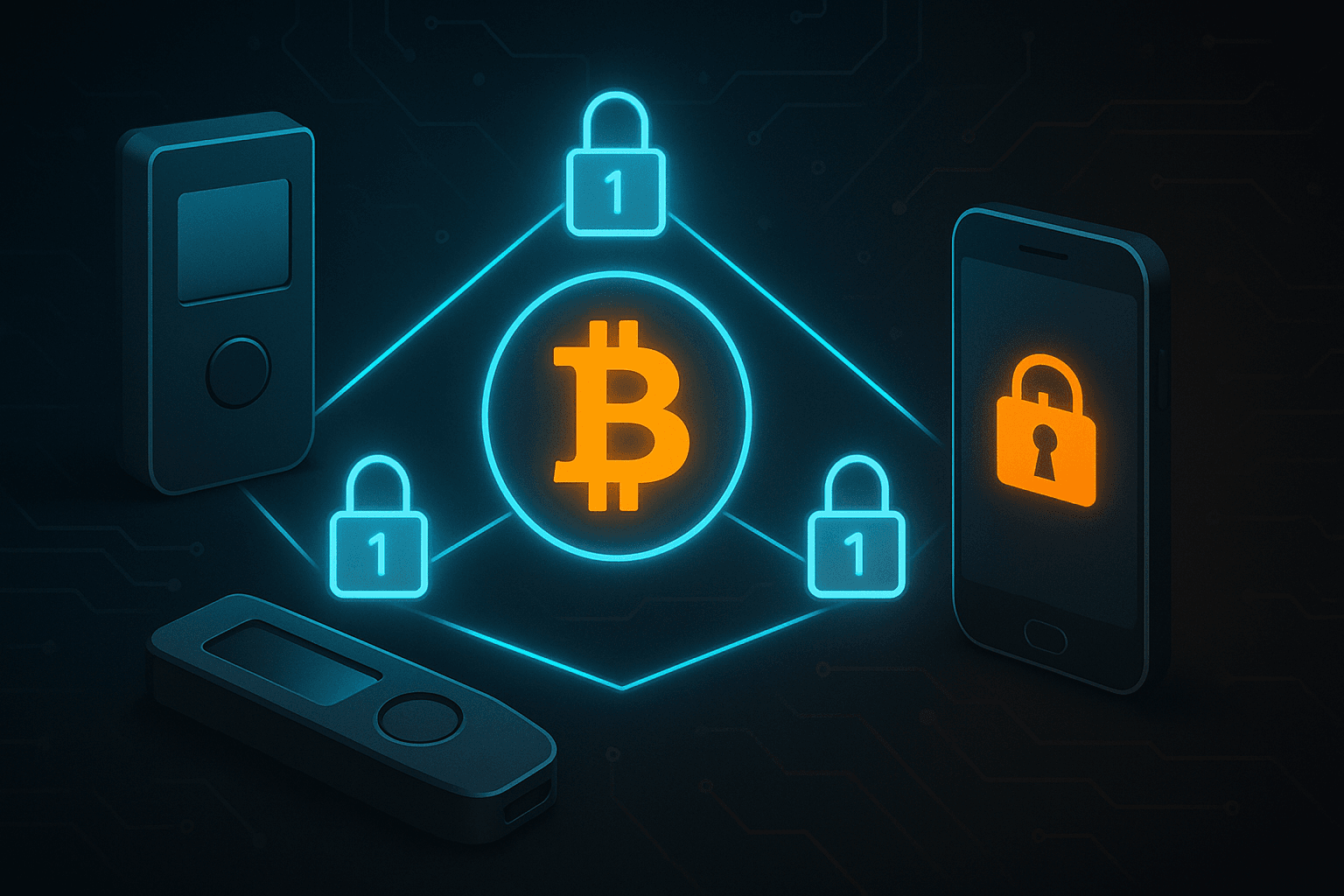
- Use multiple wallets: Store long-term holdings in hardware wallets (cold storage) like Ledger or Trezor. These are offline and immune to most online threats.
- Split across exchanges: Use reputable platforms like Coinbase, Binance, or Kraken, but never leave large sums in your exchange wallet.
- Have a backup plan: Record your seed phrases offline in a secure location. Never share them digitally.
Diversification isn’t just about assets—it’s also about storage. Proper wallet hygiene ensures your investing small amounts in crypto doesn’t turn into a cautionary tale due to carelessness or poor security.
Smart Allocation is Strategic Allocation
Knowing how much to invest in crypto is just one part of the journey. Allocating that investment across a mix of stable, promising, and exploratory assets—while ensuring proper security—builds a solid foundation for long-term growth.
The strategy above isn’t set in stone, but it’s an excellent starting point for anyone new to crypto. You can always rebalance your portfolio as you gain experience and as the market shifts. Just remember: diversification, discipline, and diligence are your best friends in this space.
Red Flags to Watch Out For
As you begin your crypto journey and decide how much to invest in crypto, it’s just as important to know what not to invest in. The decentralized and relatively unregulated nature of the crypto space has created opportunities, not just for innovation, but also for scams. New investors, especially those investing small amounts in crypto without enough research, are often the prime targets.
Here are some major red flags to watch out for before committing your funds:
Ponzi Schemes and Hype Coins
Ponzi schemes in crypto typically promise high, consistent returns simply for recruiting new members rather than offering any real utility. They may use terms like “auto yield,” “guaranteed passive income,” or “instant rewards” to lure in unsuspecting investors.
Similarly, hype coins (also known as meme coins or rug-pulls) tend to generate buzz through influencers, social media campaigns, and FOMO-driven hype, often with no real-world application or technological innovation. These coins skyrocket in value temporarily, only to crash once insiders cash out, leaving beginners with heavy losses.
A solid, safe crypto investment strategy involves steering clear of any coin that seems more like a marketing gimmick than a legitimate project.
“Too-Good-to-Be-True” Returns
One of the biggest red flags in crypto is the promise of guaranteed or unusually high returns. No legitimate investment—especially in crypto—can offer fixed profits in a volatile market. If a project claims you’ll earn 10% daily or double your money in a week, it’s a scam.
When deciding how much to invest in crypto, avoid putting money into projects driven by unrealistic outcomes. It’s better to grow slowly and securely than chase quick riches and risk losing it all.
Lack of a Whitepaper or Clear Use Case
Every legitimate crypto project should have a whitepaper—a detailed document explaining its purpose, technology, tokenomics, and roadmap. If a project lacks a whitepaper or if the document is vague, plagiarized, or full of technical jargon with no clear explanation, consider it a red flag.
Also, assess the use case: What problem does the project solve? Who are its competitors? How is it different? If you can’t answer these questions, don’t invest.
In your early stages, focus on learning the basics, applying a balanced crypto portfolio allocation, and avoiding hype traps. Your beginner crypto investment amount is not just money—it’s your learning capital. Protect it by staying alert and informed.
FAQs
How much should a beginner invest in cryptocurrency?
For most beginners, the ideal approach is to start small, typically 1–5% of your total investment portfolio. This allows you to gain experience without taking on excessive risk. If you’re unsure how much to invest in crypto, focus on learning first before committing larger amounts.
Is it safe to invest small amounts in crypto?
Yes, investing small amounts in crypto is a smart and safe way to begin. It helps you understand market behavior, build confidence, and avoid major losses if the market turns volatile. Always research before investing—even small amounts.
What’s a good beginner crypto investment amount?
A beginner crypto investment amount can range from $50 to $500, depending on your financial readiness. It should come from disposable income, not money meant for essential expenses. Start with what you’re comfortable losing and scale gradually.
How should I allocate my crypto portfolio as a beginner?
A basic crypto portfolio allocation for beginners could be:
60–70% in blue-chip coins like Bitcoin and Ethereum
20–30% in mid-cap projects
5–10% in emerging tokens or DeFi projects
Diversifying reduces risk and increases your exposure to different segments of the market
Can I make money by investing small amounts in crypto?
Yes, though returns may be modest at first. The key is consistency, long-term strategy, and avoiding hype. With patience, a safe crypto investment approach—like dollar-cost averaging—can yield positive returns over time, even with small contributions.
Conclusion
Deciding how much to invest in crypto as a beginner doesn’t have to be overwhelming. The key is to start small, stay informed, and approach the market with a long-term mindset. Whether you’re putting in $50 or $500, your beginner crypto investment amount should reflect your financial readiness, risk tolerance, and learning goals, not pressure from market trends or social media hype.
By building a thoughtful crypto portfolio allocation—focusing on blue-chip assets, exploring promising mid-cap coins, and cautiously engaging with emerging tokens—you position yourself for gradual, sustainable growth. Pairing this with secure storage practices and strategies like dollar-cost averaging further strengthens your approach.
Remember, safe crypto investment isn’t about finding shortcuts or guaranteed profits. It’s about developing discipline, diversifying wisely, and avoiding common traps like Ponzi schemes and too-good-to-be-true promises. As you gain confidence, you can increase your exposure and refine your strategies.
Crypto rewards those who learn before they leap. Let your curiosity lead, but let strategy guide.