Introduction
If you’ve ever sent money overseas, you know it can be slow and expensive. Banks often charge high fees and transfers can take days. But what if there was a faster, cheaper way? That’s where XRP comes in.
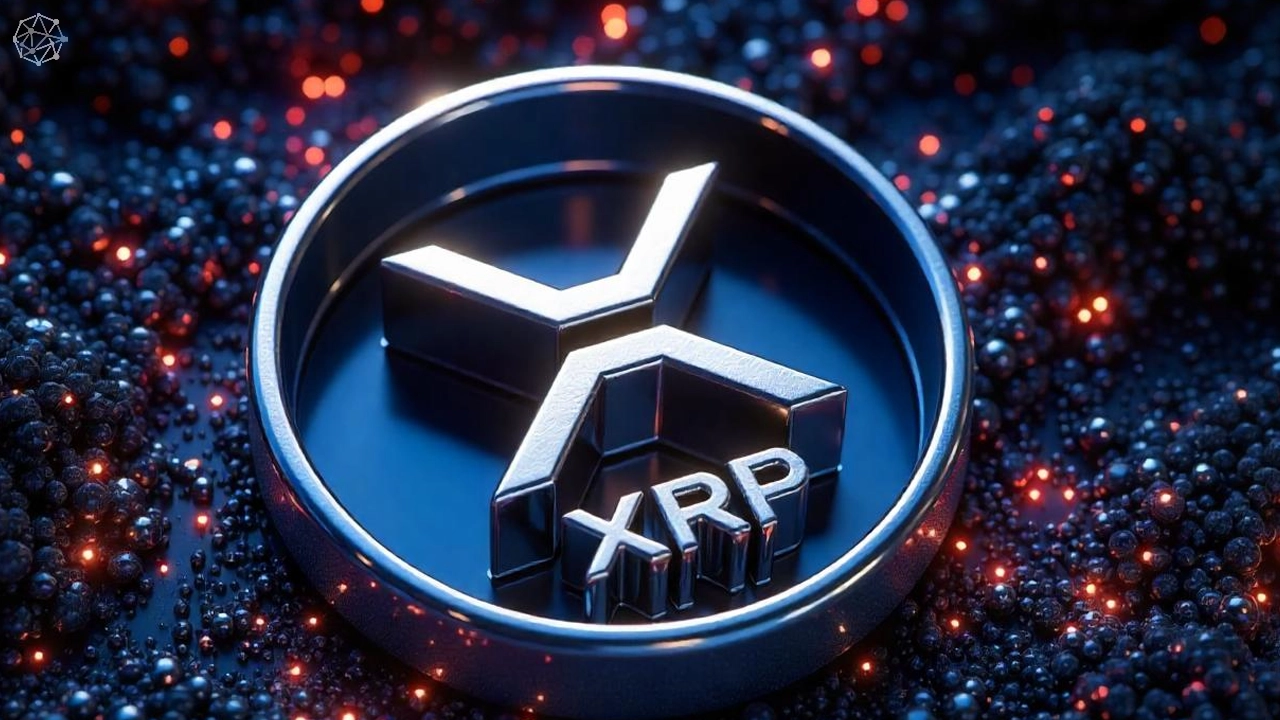
XRP is the digital currency at the heart of Ripple’s mission to revolutionize global payments. Built to move money across borders in seconds for just a fraction of a cent, XRP is already being used by financial institutions around the world to improve the speed and efficiency of transactions.
In this guide, we’ll break down what XRP is, how it works, and why it’s become one of the most talked-about cryptocurrencies for real-world use. Whether you’re a curious beginner or exploring investment opportunities, you’ll get a clear, beginner-friendly explanation of XRP and its role in the future of finance.
Key Takeaways:
- XRP is a cryptocurrency designed for ultra-fast, low-cost cross-border payments.
- Ripple, the company behind XRP, works with banks and payment providers worldwide.
- The XRP Ledger doesn’t rely on mining—it uses a unique consensus protocol.
- Institutions are increasingly adopting XRP for real-world financial applications.
- It’s important to understand both its benefits and its ongoing regulatory challenges.
Table of Contents
XRP vs Ripple: Understanding the Difference
Before diving deeper, it’s important to clear up a common confusion: XRP and Ripple are not the same thing.
XRP is a cryptocurrency—a digital asset that can be used to transfer value across the world in seconds. It exists independently on the XRP Ledger (XRPL), a decentralized blockchain designed for fast settlement.
Ripple, on the other hand, is a private company that builds payment solutions using blockchain technology. Ripple uses XRP in some of its products, like RippleNet and On-Demand Liquidity (ODL), but it didn’t create XRP and doesn’t control its code.
Think of Ripple as a software company and XRP as one of the tools it uses. Ripple helps financial institutions improve cross-border payment infrastructure, while XRP acts as the digital bridge currency in some of those transactions.
Understanding this distinction helps clarify how XRP functions in the ecosystem—and why Ripple’s legal issues don’t automatically mean XRP is unusable.
How the XRP Ledger (XRPL) Works

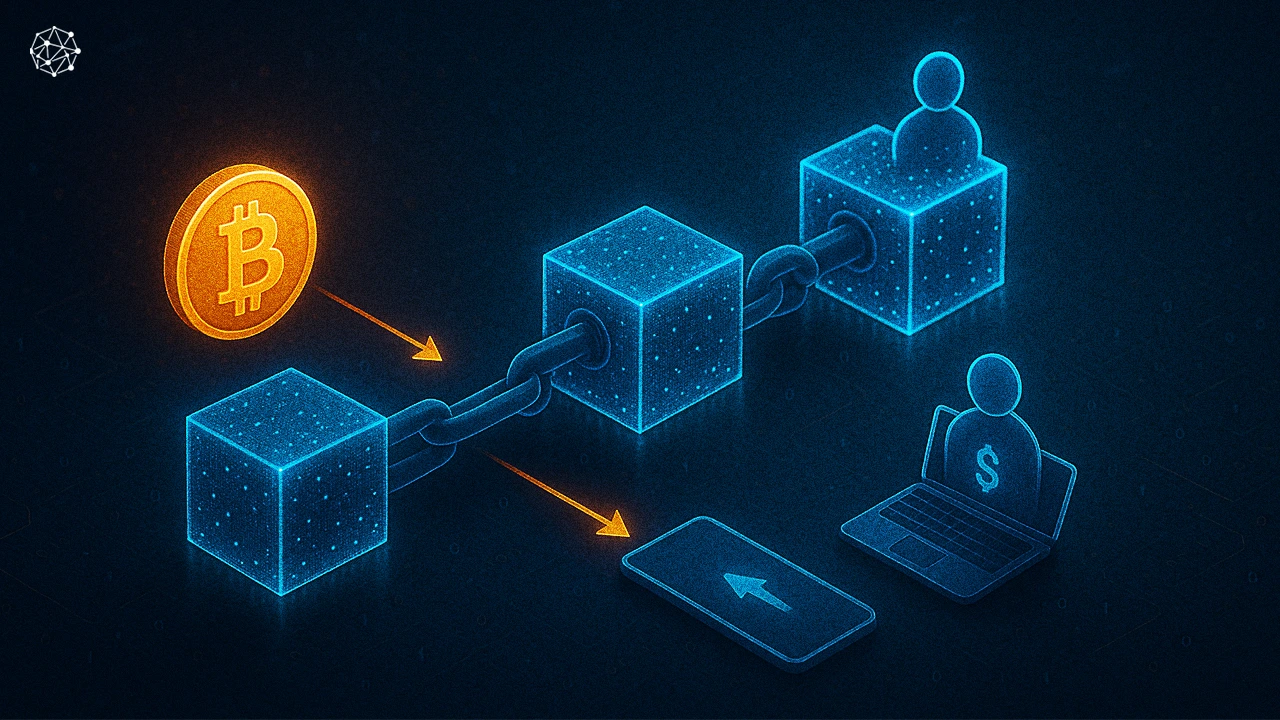
Unlike Bitcoin or Ethereum, which use energy-intensive mining, the XRP Ledger runs on a consensus protocol. This means transactions are verified by a network of independent validators, not miners. As a result, XRP transactions settle in just 3–5 seconds and cost a fraction of a penny—making it one of the most efficient blockchains around.
The XRPL is open-source and maintained by a global community. Validators reach agreement on the state of the network every few seconds, ensuring security and integrity. Instead of minting new coins, XRP has a fixed total supply of 100 billion tokens, most of which are held in escrow and released predictably.
Another unique feature: when you send XRP, a tiny portion (about 0.00001 XRP) is burned, removing it from circulation. This helps control supply and fights spam attacks.
So, in short, XRPL is a lightning-fast, low-fee, eco-friendly blockchain that enables XRP’s role in global finance.
Real-World Usage & Speed/Cost Comparison
What sets XRP apart is that it’s already being used by banks, remittance providers, and financial institutions. Ripple’s products are helping move money between countries like Japan and Thailand, Mexico and the U.S., and even within banking groups across Europe and Asia.
Take SWIFT, for example—the legacy system for cross-border payments. It often takes 2–5 business days for funds to arrive and can cost $20–$50 per transaction. XRP does it in seconds for under a cent.
Here’s a quick comparison:
- SWIFT: 2–5 days, $20–$50 average fee
- Bitcoin: ~10 minutes, $1–$10 depending on congestion
- Ethereum: ~5 minutes, $5–$20 depending on gas fees
- XRP: ~3–5 seconds, ~$0.0002
Banks using RippleNet can tap into On-Demand Liquidity (ODL) to settle international transfers without needing pre-funded accounts in foreign currencies. XRP acts as a bridge—converting one currency to XRP and then to the destination currency almost instantly.
This efficiency is why XRP is gaining traction as a serious alternative to outdated systems.
On-Demand Liquidity (ODL) & Institutional Adoption

Ripple’s On-Demand Liquidity (ODL) is where XRP shines the most. ODL allows financial institutions to send money across borders without having to maintain large cash reserves in destination countries. Instead, XRP serves as the bridge currency between two fiat currencies.
Here’s how it works: Let’s say a U.S. bank wants to send money to a recipient in Mexico. The bank uses XRP to convert USD to XRP instantly, and then the XRP is immediately converted to Mexican pesos on the other end—all in seconds, and at a lower cost than traditional systems.
Institutions such as Santander, SBI Holdings, and PNC have already tested or integrated Ripple’s technology. Ripple’s partnerships across Asia-Pacific, the Middle East, and Latin America show increasing confidence in XRP as a liquidity tool.
With over 300 financial institutions connected to RippleNet, and new corridors opening regularly, institutional adoption is growing. XRP is no longer just a speculative asset—it’s being used to move real money around the world.
Market Outlook & Forecasts
So what’s the future of XRP? Experts are cautiously optimistic. Ripple’s CEO, Brad Garlinghouse, believes XRP could capture up to 14% of global SWIFT volume within the next few years—an ambitious but potentially transformative prediction.
Analyst projections vary, with conservative estimates placing XRP at $2–$5 by 2025, assuming broader institutional use and favorable regulation. Some optimistic forecasts go even higher if Ripple expands its presence in key global markets and resolves ongoing legal hurdles with regulators like the SEC.
That said, it’s not all clear skies. The legal outcome of Ripple’s case with the SEC continues to influence investor sentiment and market behavior. A positive resolution could drive adoption, while negative news may delay broader integration.
In the meantime, XRP remains one of the most actively traded and watched cryptocurrencies in the world, signaling strong interest and long-term potential.
Portfolio Role & Correlation
XRP’s role in a crypto investment portfolio can be surprisingly strategic—especially for those looking to diversify. Unlike assets such as Bitcoin or Ethereum, XRP has shown historically lower correlation with both major cryptocurrencies and traditional markets like the S&P 500.
This means that XRP often moves independently of larger market trends, which can help balance out your overall risk exposure. If Bitcoin slumps and XRP holds its ground—or vice versa—you’re less likely to see your entire portfolio dip at once.
XRP also appeals to investors who value real-world utility. While many coins are speculative or technology-focused, XRP is actively used for payments and liquidity. That makes it attractive to people who want a practical, usage-based asset in their mix.
But remember: just because it’s used by institutions doesn’t mean it’s risk-free. Regulatory challenges and centralization concerns still play a role.
Risks & Regulatory Landscape
No crypto investment is without risk—and XRP is no exception.
One of the biggest overhangs is Ripple’s ongoing legal battle with the U.S. Securities and Exchange Commission (SEC). The case centers on whether XRP was sold as an unregistered security. While there’s been some progress, the outcome is still pending, and it has a big impact on how XRP can be used or traded in the U.S.
Then there’s the centralization debate. Critics argue that because Ripple owns a large share of XRP and controls many validator nodes, the system isn’t as decentralized as Bitcoin or Ethereum. Ripple counters this by pointing to XRPL’s open-source code and independent validator participation.
Another risk: Ripple unlocks XRP from escrow each month. While this is pre-scheduled and mostly returned to escrow, some worry it adds downward price pressure.
Lastly, adoption. While ODL and RippleNet are growing, many institutions are still testing the waters. Global regulatory clarity, stable corridors, and clearer licensing will be needed to scale XRP to the level Ripple envisions.
How Beginners Can Buy & Use XRP
Ready to dive in and use XRP yourself? It’s simpler than you might think.
Buying XRP: You can purchase XRP on major cryptocurrency exchanges like Binance, Kraken, and Bitstamp. Some U.S.-based exchanges may limit access due to the SEC case, but workarounds like using international exchanges or decentralized platforms (where available) exist.
To buy, just:
- Create an account on a crypto exchange.
- Verify your identity (KYC).
- Deposit fiat (USD, EUR, etc.).
- Buy XRP and store it in a wallet.
Storing XRP: XRP can be stored in hardware wallets (Ledger Nano, Trezor), mobile wallets (Trust Wallet, Xumm), or desktop wallets. For long-term safety, hardware wallets are best.
Using XRP: Beyond holding for investment, XRP can be used for:
- Sending international payments with low fees.
- Funding RippleNet apps like remittance services.
- Experimenting with building on XRPL (developer tools are open-source).
- Swapping for other assets using decentralized exchanges or cross-chain bridges.
It’s a coin with real-world utility—and it’s beginner-friendly once you get the hang of wallets and transactions.
Outlook for 2025 & Beyond
So, where is XRP headed?
With increasing partnerships, expanding use cases, and Ripple’s commitment to innovation, XRP is positioned as one of the few cryptocurrencies with direct institutional backing and a clear mission—fast, affordable global payments.
Upcoming innovations include:
- Automated Market Makers (AMM) on the XRP Ledger to boost DeFi capabilities.
- Potential support for CBDC integration, where XRP or XRPL might serve as a liquidity layer.
- Expanded corridors for RippleNet, especially in underbanked regions.
If Ripple successfully closes its SEC case, U.S. adoption could surge. Combine that with regulatory frameworks in Europe, Asia, and Latin America becoming more crypto-friendly, and XRP’s runway becomes even longer.
Still, it’s essential to stay informed. Crypto is a rapidly evolving space, and those who educate themselves are best positioned to benefit from it.
Frequently Asked Questions (FAQs)
1. What makes XRP faster and cheaper than Bitcoin or Ethereum?
XRP uses a consensus algorithm rather than mining. This allows for faster transaction validation—typically 3–5 seconds—at a fraction of a penny in fees.
2. Is Ripple the same as XRP?
No. XRP is a digital currency. Ripple is a company that builds payment solutions like RippleNet and uses XRP in some of its products.
3. Can I use XRP for actual payments?
Yes. XRP is already used in real-world remittance services, especially in Asia and Latin America, and can be sent peer-to-peer instantly.
4. Is XRP safe to invest in despite the SEC lawsuit?
It depends on your risk tolerance. While the legal case has made U.S. access harder, many still see XRP as a high-utility asset with strong potential, especially if regulatory clarity is reached.
5. How do I store XRP securely?
Use a hardware wallet like Ledger Nano for maximum security, or trusted software wallets like Xumm for everyday access.
Conclusion
XRP isn’t just another cryptocurrency—it’s a bold attempt to rethink how we move money globally. With lightning-fast transactions, rock-bottom fees, and growing institutional use, XRP is one of the few digital assets with real-world utility baked into its DNA.
From Ripple’s enterprise solutions to the XRP Ledger’s decentralized design, it’s clear that XRP is aiming to become a core part of the future financial infrastructure. But with innovation comes complexity—regulatory challenges, centralization concerns, and market volatility all play a role in shaping what’s next.
Whether you’re looking to invest, use XRP for payments, or simply understand one of crypto’s most debated coins, staying informed is key. XRP may not be a guaranteed moonshot, but it’s one of the most compelling tokens to watch.